Burnham says UK has ‘lost more than it gained’ from Brexit
Andy Burnham has warned Britain has “lost more than we’ve gained” since Brexit as he prepares for a Brussels summit aimed at cutting trade barriers and boosting economic growth. Speaking at the Welsh Labour conference on Saturday, Burnham accused the Conservatives of delivering a harder Brexit than voters expected, arguing that closer ties with the [...]
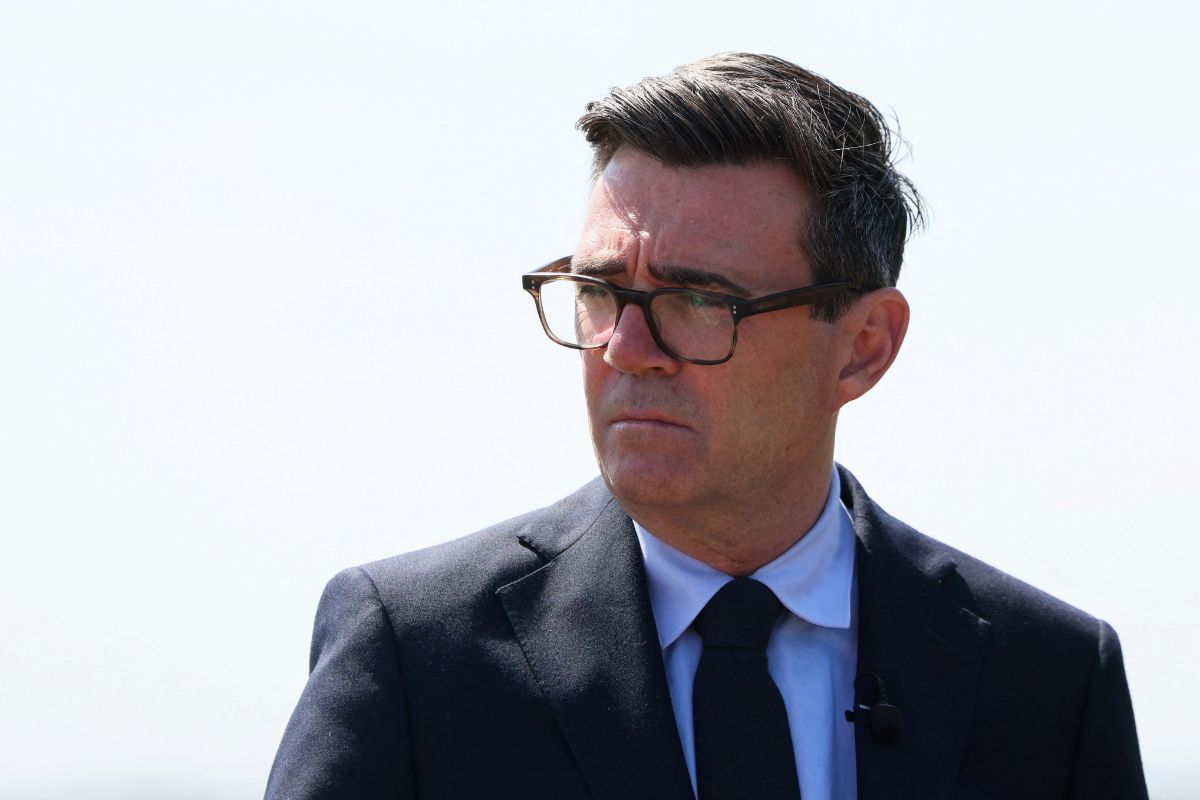
Andy Burnham has warned Britain has "lost more than we've gained" since Brexit as he prepares for a Brussels summit aimed at reducing trade barriers and promoting economic expansion. Addressing the Welsh Labour conference, Burnham criticized the Conservatives for delivering a more stringent Brexit than voters anticipated. He argued that closer ties with the European Union could alleviate food prices and aid British exporters.
Prime Minister will convene with European Commission President Ursula von der Leyen and European Council President António Costa on Friday, with discussions centered around food and farming, emissions trading, and youth mobility. The government anticipates the agreements could boost UK GDP by 0.4 percent, approximately £17 billion.
Burnham stated a food and farming deal would notably help Welsh lamb and shellfish exporters by diminishing paperwork and border inspections introduced post-Brexit. "We must be ready to make tough choices to lower the cost of living," he told attendees in Llandudno. Yet, he affirmed Labour would uphold its election pledges, which exclude rejoining the single market, customs union, or reinstating freedom of movement.
This comes after Burnham suggested Britain might pursue a more extensive relationship with Brussels post the upcoming general election. Businesses caution over the EU reset. The proposed food agreement would harmonize British regulations more closely with EU standards, eliminating numerous health certificates and frequent checks mandatory for agricultural exports.
Ministers project the deal could inject £5.1 billion per year into the UK economy by 2040, though the exact terms remain to be finalized. However, Karen Betts, chief executive of the Food and Drink Federation, cautioned that adjustments could increase pressure on manufacturers already grappling with soaring energy expenses and regulations.
"The sector must swiftly adapt to re-comply with EU food legislation, both within the UK and for exports, under the imminent UK-EU reset," she said. "This is all diverting crucial resources—people and capital—away from investing in manufacturing capacity, efficiency, and jobs that sustain our food system's resilience." Negotiations also stem from apprehensions over proposed EU “Made in Europe” rules, which could limit subsidies for manufacturers utilizing components sourced outside the bloc.
Britain's automotive sector is particularly vulnerable, with the suggested measures potentially disadvantaging UK carmakers supplying European markets. David Bailey, professor of business economics at the University of Birmingham, emphasized securing access to the scheme as "mission-critical" for British manufacturing. "If Europe enacts a Made in Europe regime to protect its industrial base, the UK must be part of it," he stated.
He recommended Britain contemplate tariffs on Chinese imports if necessary to reach an agreement with Brussels. Meanwhile, Conservatives have criticized the expense of Britain's anticipated re-entry into the Erasmus student exchange program, estimated at £570 million for the following year.
Written by urgent.news from City AM's reporting — not their text. Machine-written — may contain errors; check the original before relying on it.
This story
This is one outlet's version. Read the fullest account.