Before the iPhone, Casio built the future of photography and the craze for selfies… then the future came and killed its cameras
The forgotten giant of early digicams, Casio sold 70 million cameras before they disappeared forever
Casio, founded in 1946, was not initially a camera company. It began with the "Yubiwa pipe," a cigarette ring, and later produced calculators, pocket calculators, and digital watches. The company's expertise in low-power integrated circuits, LCD displays, keyboards, and miniature electronics laid the groundwork for digital cameras.
Casio's first electronic still-video camera, the VS-101, was showcased in 1988 but failed commercially. However, the breakthrough came in 1995 with the release of the Casio QV-10, the world's first consumer digital camera with a rear LCD. Casio sold around 200,000 QV-10s in the first year. In 2002, the Exilim line was introduced, featuring ultra-thin and stylish cameras.
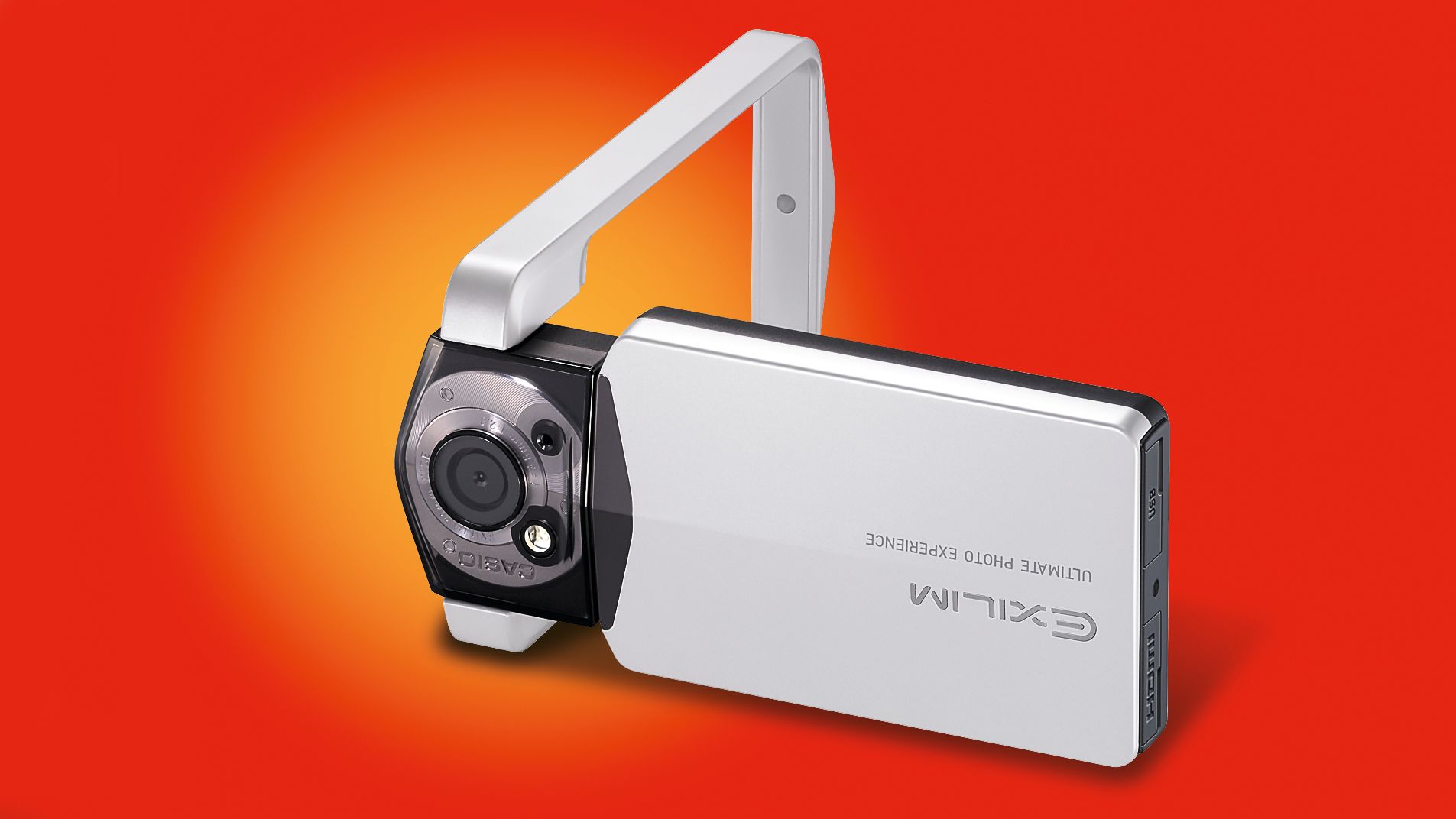
The Casio EX-TR100, or "Tryx," released in 2011, gained popularity due to its unique rotating screen and frame, which encouraged self-portraits. The camera became particularly successful in Asia and was nicknamed the "goddess selfie device." Despite its innovation and success, Casio's camera business lost around ¥500 million in 2017, leading to the discontinuation of cameras in 2018 as smartphone cameras had surpassed them.
Written by urgent.news from Digital Camera World's reporting — not their text. Machine-written — may contain errors; check the original before relying on it.