ANC must accept voters' choices, says Mkhize
Zweli Mkhize says the ANC must confront its leadership failures, economic and service-delivery challenges after its electoral decline in KwaZulu-Natal, while urging political parties to respect voters’ choices and one another’s legitimacy.
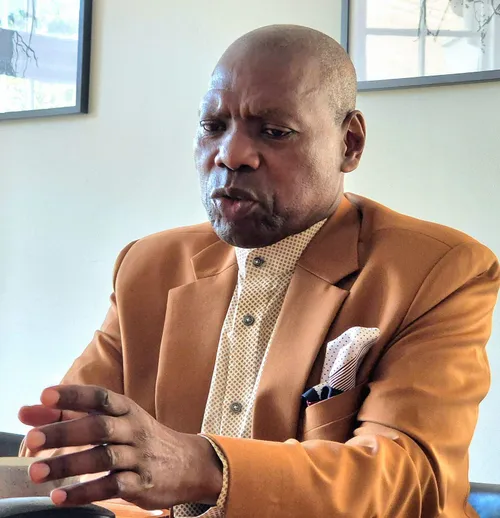
Dr. Zweli Mkhize, a member of the ANC's national executive committee and head of Parliament's Cooperative Governance and Traditional Affairs portfolio committee, emphasized that political leaders must acknowledge and respect the choices made by voters, regardless of their own political affiliations. Speaking to the Sunday Tribune, Mkhize stressed the importance of accepting that voters have a right to choose, and that elected leaders must acknowledge and honor those decisions.
He highlighted the significance of this principle in South Africa, particularly within KwaZulu-Natal, which has a history of political intolerance.
Mkhize pointed to the recent local government elections held on November 4, where the ANC faced a hung council situation in 35 out of 44 municipalities. The party managed to secure outright control in only nine municipalities, with a majority in Greater Kokstad Municipality through an electoral overhang, despite securing less than half of the total votes. In other hung councils, the ANC held a majority of seats, including uMzimkhulu, where they won 21 out of 43 seats.
The ANC finished second in the province, receiving 20.27% of the vote or 1,289,398 votes, behind the uMkhonto weSizwe Party (MKP), which garnered 34.32% of the votes. Inkatha Freedom Party (IFP) came in third with 20.13% of the vote. The IFP captured control of five municipalities, while the MKP secured three, including Impendle, Richmond, and Johannes Phumani Phungula.
Mkhize called for the ANC to undertake a thorough introspection and soul-searching to address the reasons behind its electoral decline. He noted that the significant drop in the party's support indicated a shift in voter behavior and required corrective actions. The renewal program of the ANC should not be seen as a step that will inevitably lead to further losses of public support, but rather an opportunity to regain it.
Mkhize identified three key areas contributing to the ANC's declining fortunes: economic conditions, service delivery, and political leadership.
Economic challenges, particularly high unemployment rates (up from 23% to 33%, with higher rates in rural areas and among the youth), coupled with poor service delivery and political leadership issues, have negatively impacted the ANC's popularity. Mkhize highlighted the correlation between economic conditions and voter sentiment, stating that the party's appeal is closely tied to the nation's economic well-being.
Unemployment, poverty, economic strain, rising crime, and drug abuse have contributed to a deteriorating social fabric, affecting communities' overall stability.
Written by urgent.news from IOL's reporting — not their text. Machine-written — may contain errors; check the original before relying on it.