AirBorneo is Sarawak-owned, so why does Putrajaya still subsidise it?
The RM209 million subsidy ensures rural residents continued access to healthcare, education and essential services despite the change in airline ownership.
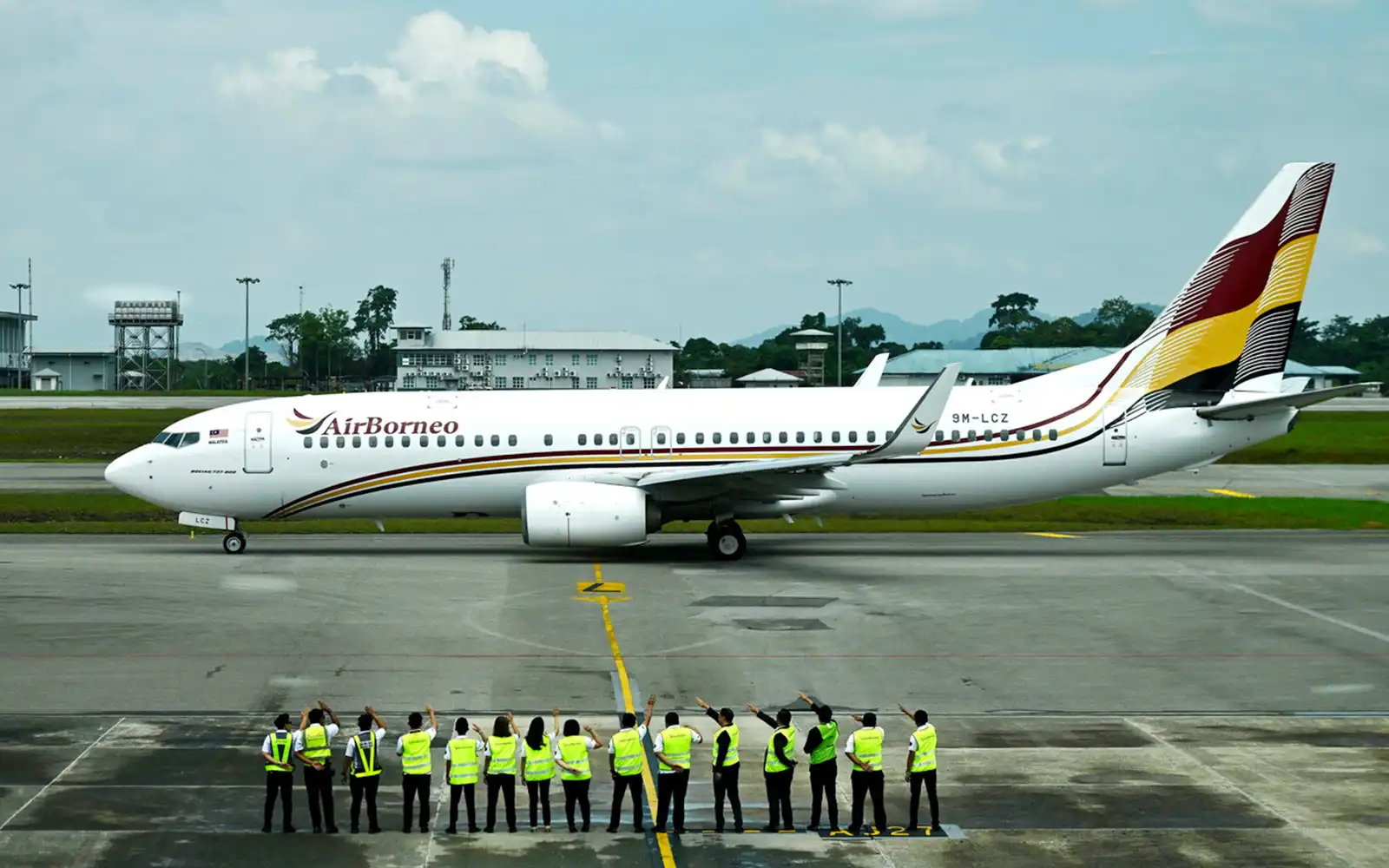
AirBorneo, owned by Sarawak, continues to receive federal subsidies for its rural air services, prompting questions over the necessity of such support. Despite the airline's Sarawak ownership, federal subsidies for rural air services remain vital to maintain affordable air travel for residents, particularly in areas with limited alternatives.
Economist Firdausi Suffian argues that the importance of subsidies should be evaluated based on their impact on residents, rather than the ownership of the airline. He emphasized that without subsidies, transport costs would likely be higher, making these subsidies crucial for ensuring residents' access, especially in rural areas.
The federal government has allocated RM209 million for rural flights to remote communities in Sabah and Sarawak under Budget 2027, benefiting approximately 820,000 passengers. This subsidy supports essential routes under a public service obligation to ensure the operation of routes to interior communities, even when they may not be commercially viable.
However, not all AirBorneo routes receive subsidies; the Kuching-Sibu, Kuching-Miri, and Kuching-Bintulu routes do not fall under the RAS and can operate commercially. For primary school teacher Gwynth Vincent, flights between Kota Kinabalu and Lahad Datu have significantly saved time during family emergencies or medical treatments, as road travel would take about eight hours compared to 50 minutes by air.
Civil servant Michael Roman, who frequently travels between Kota Kinabalu and Sabah's east coast districts, also relies on flights for work and personal trips, finding them much faster than road travel. He welcomed government assistance to keep flights accessible and hoped for accelerated road improvements to provide more transport options.
In Sarawak, civil servant Nuruddin Sabali uses AirBorneo for work, including trips between Kuching and Mukah, as well as Miri, Limbang, and Lawas, emphasizing the importance of RAS subsidies for rural residents' access to healthcare and supplies. Firdausi Suffian argued that the value of rural flights should not solely be measured by profitability, as they provide essential access to communities with limited road connections, facilitating medical treatment, supply transport, and students' education in urban centers.
He noted that if road networks and land transport options improved, the need for subsidies could diminish, but stressed that the government must ensure these essential services remain available, regardless of profitability.
Written by urgent.news from Free Malaysia Today's reporting — not their text. Machine-written — may contain errors; check the original before relying on it.
Also reported by 1 other outlet
- AirBorneo is Sarawak-owned, so why does Putrajaya still subsidise it? freemalaysiatoday.com