Why your SD card won't let you transfer files bigger than 4GB, and how to fix it
Some SD cards just won't accept files larger than 4GB, no matter the total capacity or how much free storage there is. But don't worry, it's not hard to fix.
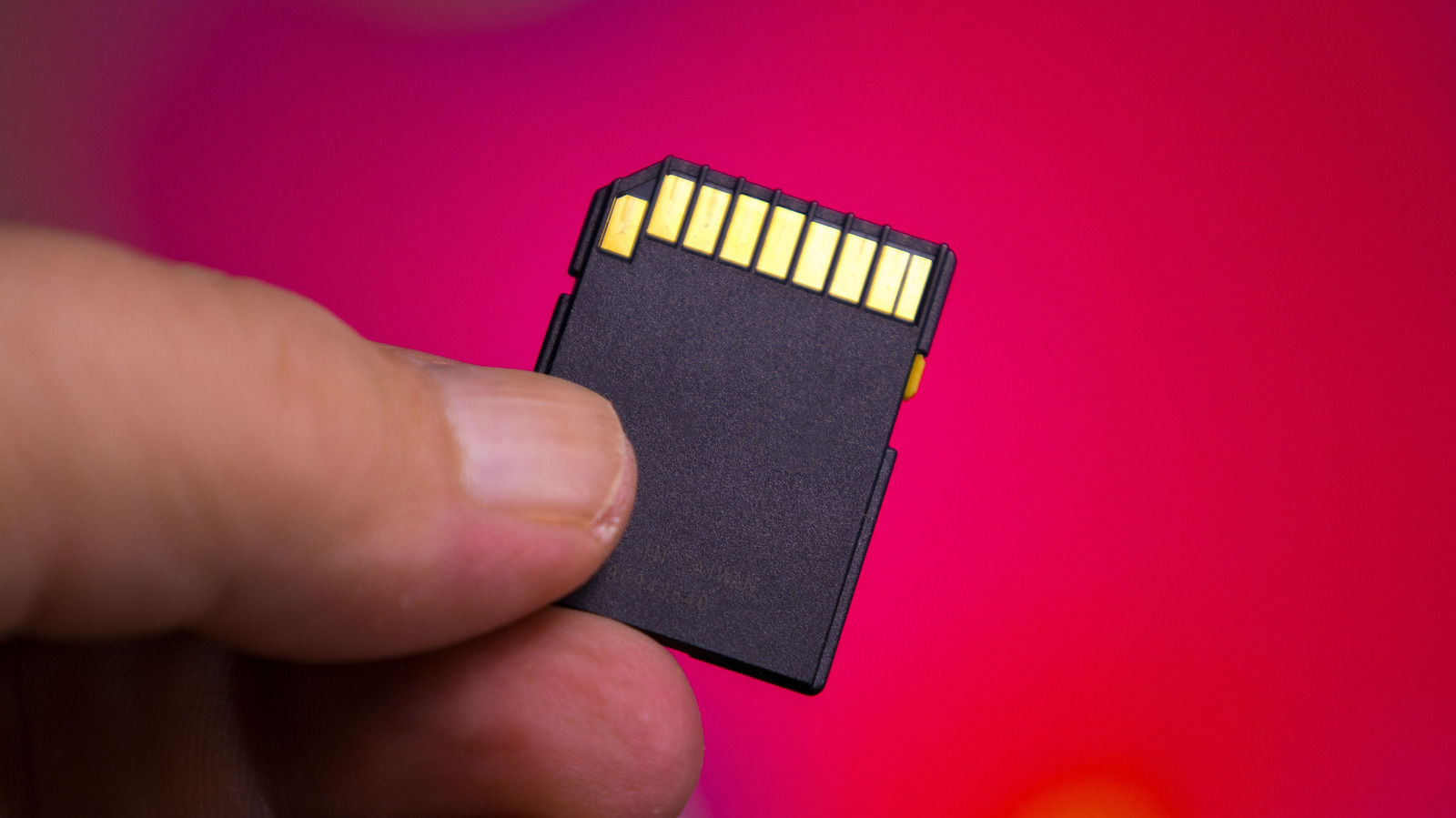
SD cards with capacities ranging from 128GB to 1TB have become increasingly common since their introduction in the early 2000s, yet they often present an unexpected limitation: files larger than 4GB cannot be transferred. This issue arises due to the SD card's file system, which is commonly FAT32. Although FAT32 is compatible across devices and dates back to Windows 95, it has a drawback: it prevents any single file from exceeding 4GB in size.
FAT32 utilizes a 32-bit number to record file sizes, with the maximum value fitting this limit being 4,294,967,295 bytes, or just under 4GB. Therefore, even if the SD card has ample space for larger files, the file system obstructs its storage. This becomes particularly problematic for users who wish to store 4K videos.
To resolve this problem, one must reformat the microSD card to exFAT, a file system that addresses FAT32's limitations, including support for files exceeding 4GB. However, before beginning this process, it is crucial to back up all files on the SD card, as formatting will result in data loss. Moreover, some very old devices, such as cameras, might not support exFAT.
ExFAT support was integrated into Windows Vista Service Pack 1 and Apple's OS X Snow Leopard. For devices using these operating systems or newer, switching to exFAT is recommended.
On Windows, open File Explorer, select "This PC," locate the SD card, right-click on it, and choose "Format." Under "File System," select exFAT and choose between a Quick Format or a custom name for the volume. The process mirrors formatting a microSD card or USB drive. On macOS, the Disk Utility app comes in handy. Open Disk Utility, select "Show All Devices" from the View menu, choose the SD card, click "Erase," set the format to exFAT, name the volume, and confirm the changes.
Once formatted to exFAT, large files can be transferred without issues. If you need to revert to FAT32, follow similar steps and switch the file system back to FAT32. Be aware that Windows will not permit FAT32 formatting for cards exceeding 32GB, requiring the use of Terminal or third-party software for such a configuration.
Written by urgent.news from Engadget's reporting — not their text. Machine-written — may contain errors; check the original before relying on it.