Why a problem on the ground can affect flights thousands of miles away among other issues
Michael McCormick, a former airspace manager with the Federal Aviation Administration, said it could take days for airlines — many of which had to divert flights — to resume normal operations after officials lifted the grounding order.
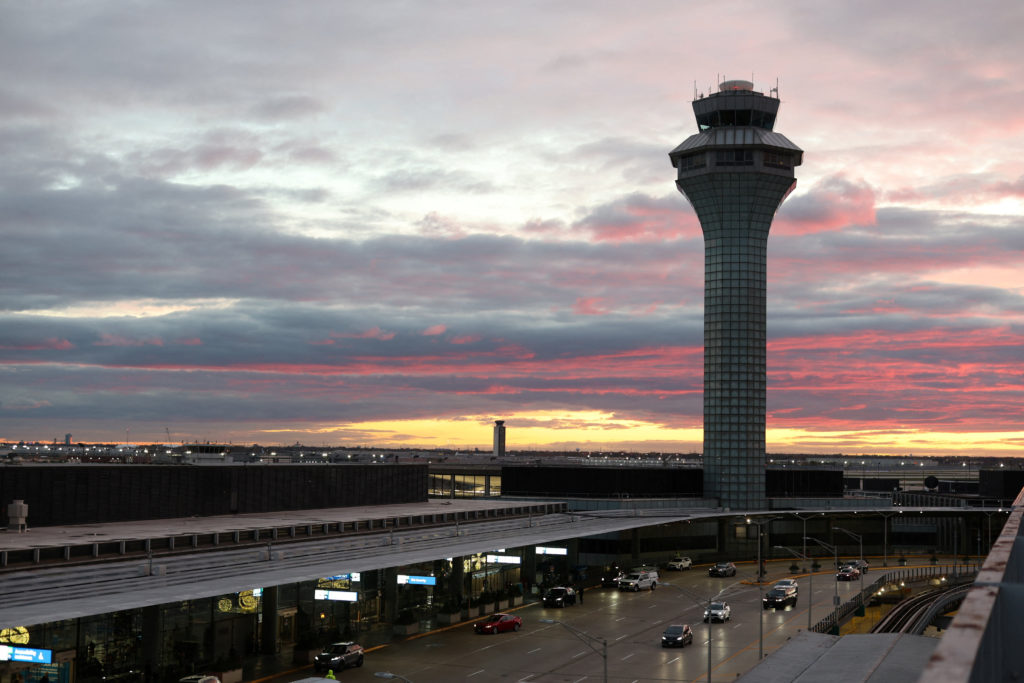
The nationwide ground stop affecting thousands of flights on Friday was caused by a problem at regional air traffic control centers due to aging telecommunications infrastructure. Michael McCormick, a former airspace manager with the Federal Aviation Administration, explained that the issue arose from overloading the system's antiquated equipment and caused intermittent communications and radar gaps.
These complications led to the grounding of flights, which lasted more than four hours. The grounding was lifted late Friday.
The U.S. operates 22 regional air traffic control centers, responsible for guiding aircraft operating between departure and arrival airports at altitudes over 10,000 feet. These centers, situated in locations like Anchorage, Alaska, Houston, and Indianapolis, are one of the three layers that guide pilots. After airport towers, terminal radar approach control centers take over, and then regional control centers.
The grounding occurred due to a contractor working on replacing a section of the system's old copper wire with new fiber wire. The work caused communication and radar issues, prompting the FAA to shut down the airspace. The government has been working to upgrade the outdated technology since Congress approved $12.5 billion for the effort last year, but there is still much to do, according to McCormick.
Experts emphasize that regional, high-altitude air traffic control centers need remote radio transmitter or receiver sites to ensure radio frequency coverage for communication with aircraft. These transmitter sites are connected to the centers via telecommunications systems in the process of transitioning from copper wires to fiber optic lines.
The two-way communication is crucial for maintaining safe spacing between planes. The issue faced in this case is known as a rolling outage, which is unpredictable and can impact one air traffic control center at a time, potentially causing disruptions thousands of miles away.
Written by urgent.news from PBS NewsHour's reporting — not their text. Machine-written — may contain errors; check the original before relying on it.
This story
This is one outlet's version. Read the fullest account.