US B-21 stealth bomber drops first conventional weapon in landmark test
The B-21 Raider conducted its first conventional weapon-release test at Edwards Air Force Base. This achievement is pivotal for the US Air Force's next-generation stealth bomber program. The design focuses on integrating new weapons and validating operational capabilities for long-range strikes. The Air Force aims to acquire at least 100 B-21 aircraft to replace older bombers. These developments…
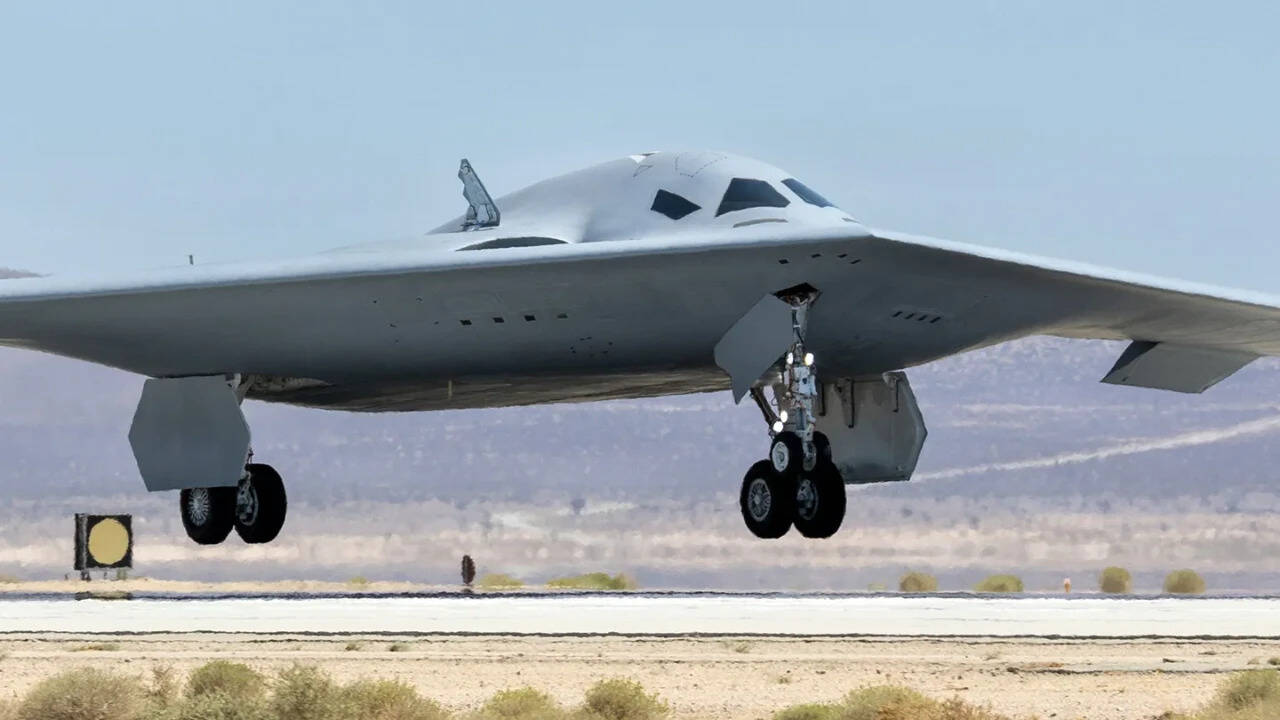
The US Air Force has achieved a significant milestone as the B-21 Raider, its next-generation stealth bomber, successfully conducted its first conventional weapons release during a recent test. This development, announced by the Air Force on Friday, marks a crucial step towards the aircraft's deployment as a combat-ready platform.
The test took place from Edwards Air Force Base in California, with the B-21 Raider, a sixth-generation long-range stealth strategic bomber, executing the weapon release exercise. The milestone comes as the Air Force broadens the scope of the B-21's flight-test program, focusing increasingly on validating operational capabilities, including the aircraft's mid-air refueling abilities.
The service has also progressed with preparations for operational missions, with plans to have two pilots crew the aircraft by the time of its eventual induction. The exercise validated the bomber's digital models and open systems architecture, demonstrating its capacity to integrate new weapons and adapt to evolving operational requirements.
The B-21 Raider, designed by Northrop Grumman for the US Air Force, is equipped to carry a variety of conventional and nuclear weapons, including the still-under-development AGM-181A long-range stand-off nuclear-armed cruise missile. The bomber program, launched in 2015, aims to eventually replace the B-1B Lancer and B-2 Spirit as the backbone of the Air Force's future bomber fleet, with at least 100 aircraft planned for acquisition.
Written by urgent.news from Times of India's reporting — not their text. Machine-written — may contain errors; check the original before relying on it.