Umwelt: UN-Klimachef warnt Verhandler vor taktischen Spielchen
Bei der Klimakonferenz ringen fast 200 Staaten um gemeinsame Beschlüsse – besonders der Streit ums Geld ist emotional. Warum UN-Klimachef Stiell vor Verzögerungen warnt.
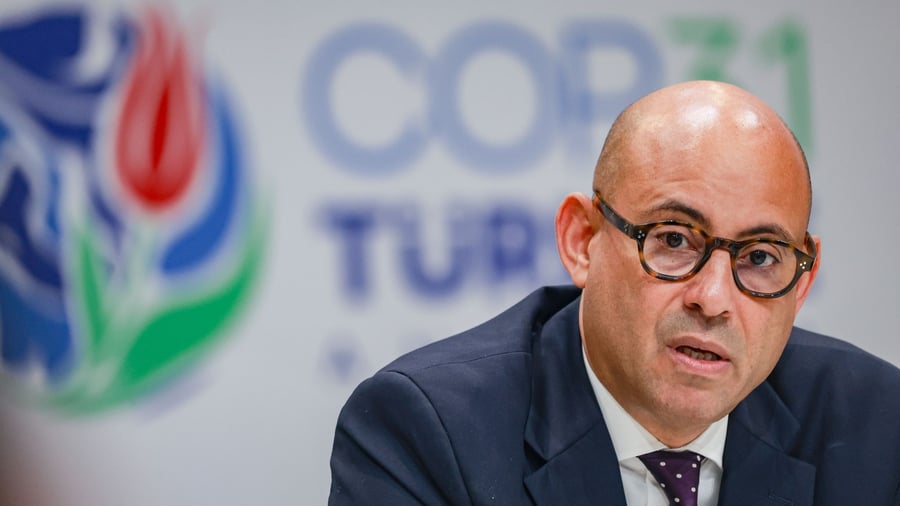
At the halfway point of the World Climate Conference in Turkey, UN Climate Chief Simon Stiell urged negotiators to show willingness to compromise and ambition. "At the start of the second week, I urge the parties to swiftly tackle the toughest issues and avoid tactical delays," Stiell told diplomats from nearly 200 countries. The conference focuses on goals such as accelerating electrification worldwide and providing climate finance to vulnerable nations.
Negotiations are complex, acknowledged Stiell, as 200 countries work on 165 agenda items, with each country having its own perspective. The consensus required at climate conferences means decisions must be agreed upon collectively. Greenpeace's assessment of the halfway point in the COP31 conference is sobering. According to German Greenpeace leader Martin Kaiser, European engagement at the European Union's COP31 needs to push for three points in the final declaration: a green electrification target, concrete plans to phase out oil, gas, and coal, and an end to deforestation.
The Australian negotiating presidency aims to set the goal of increasing the share of electricity in global final energy consumption from 23% now to 35% by 2035. This would involve all energy used in sectors such as transportation, buildings, and industry. Greater electrification in these sectors could reduce harmful CO2 emissions by up to 40% by 2035, according to the International Energy Agency (IEA).
The more renewable sources like solar, wind, and hydropower that generate electricity, the better for climate protection. Emotional disputes over money also surfaced in the first week of negotiations. African countries press for clarity on which developed nations will provide how much funding for their adaptation to the worsening climate crisis and how this will be transparently monitored.
Their issue is the lack of clarity from COP30 in Brazil, where rich nations agreed to triple their adaptation aid by 2035 but without a baseline year, interim steps, or a specific amount. Sabine Minninger of Bread for the World expressed sympathy for the African nations' impatience: "The industrialized nations simply ignore the suffering of people in Africa due to global warming, heatwaves, crop failures, and floods, refusing to discuss the issue in terms of finance."
Written by urgent.news from Handelsblatt's reporting — not their text. Machine-written — may contain errors; check the original before relying on it.