These 5 wild discoveries show nature still has surprises
From wasps exploiting ancient alliances in Sabah to chimpanzees showing restraint around friends, research offers fresh glimpses into how animals navigate the world.
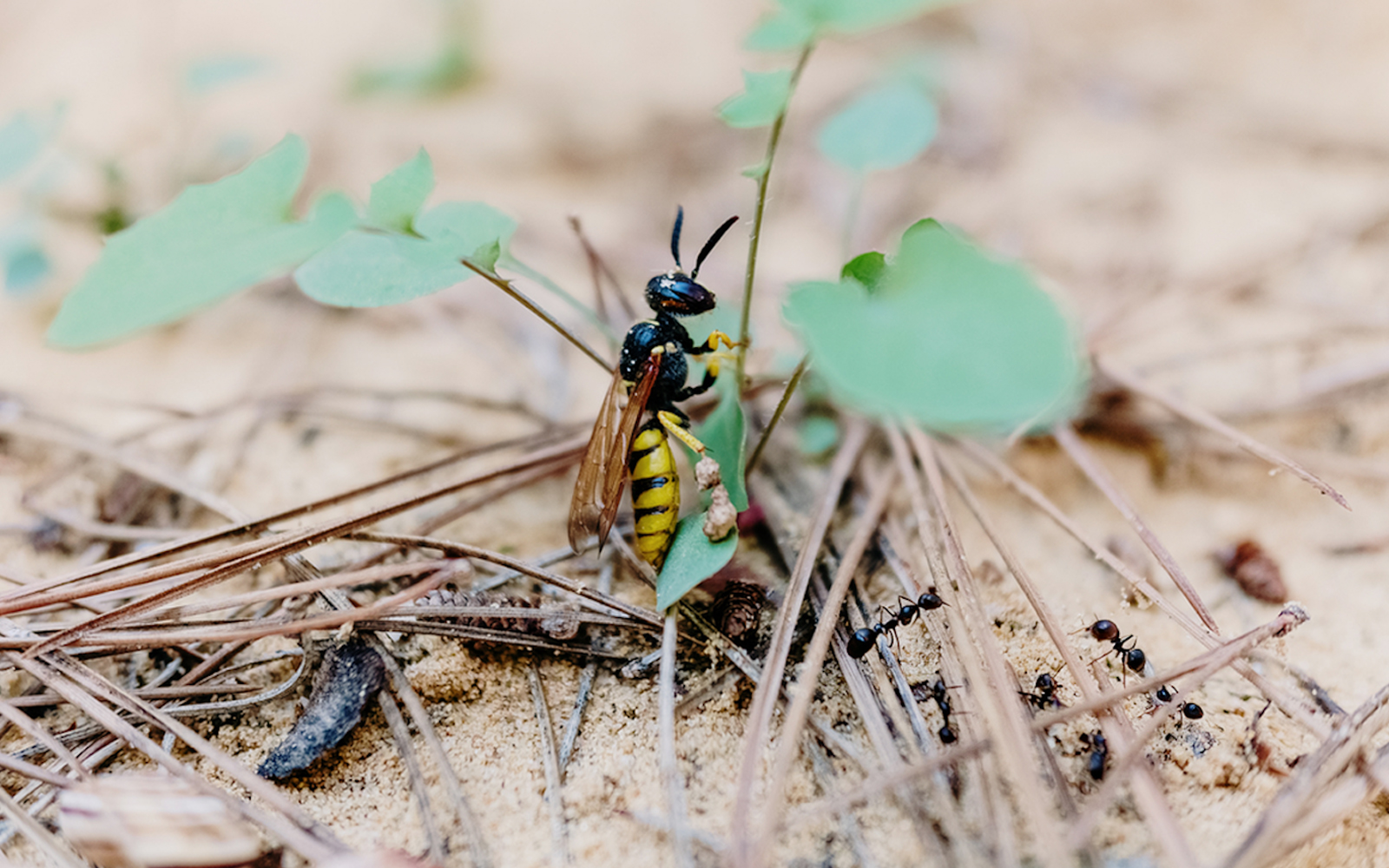
Nature's ability to surprise continues to astound scientists and researchers alike, as a series of recent studies reveal unexpected behaviors and relationships among various animal species. Here are five remarkable discoveries that challenge our understanding of the natural world:
1. **Wasp-ant alliances in Sabah forests**: In Malaysian Borneo, a species of predatory wasps called Dasyproctus agilis has begun occupying tree cavities that were traditionally defended by protective ants. This unusual twist in a partnership that has persisted for at least 10 million years could indicate that human activity, such as converting forests into oil palm plantations, is causing changes in these intricate ecological relationships.
Further research is required to determine if the wasps are displacing the ants or if the trees might suffer from weakened ant protection against herbivores.
2. **Seabirds experience jet-lag**: Manx shearwaters, a type of seabird known for their extensive migratory journeys, may suffer from circadian rhythm disruptions as they traverse different time zones. Oxford University researchers analyzed 20 years of GPS data from 1,045 birds, finding that this misalignment can affect their ability to accurately use the sun as a navigational cue.
While the disruptions were generally minor, the study underscores the importance of circadian rhythms in migratory animals and suggests that even seabirds can be affected by crossing time zones.
3. **Butterflies and optical illusions**: Striking wing patterns on European butterflies may serve a purpose beyond attracting mates or providing camouflage. High-speed footage, computer modeling, and virtual catching experiments have revealed that contrasting stripes and rapid wing movement can create visual motion illusions, making it difficult for predators to judge the butterflies' speed and direction.
This "motion dazzle" may help butterflies avoid detection, demonstrating that even seemingly simple visual elements can play a critical role in predator-prey interactions.
4. **Orangutans associate laughter with better rewards**: A small study involving six captive orangutans suggests that positive social sounds, such as laughter and play, may influence how the animals value rewards. After pairing food-finding exercises with either orangutan laughter or neutral environmental sounds, the apes later showed a preference for the option previously associated with laughter.
While the sample size is too small for definitive conclusions, the findings hint that emotional context may shape learning, memory, and reward association in orangutans, indicating that social and emotional information plays a role in their decision-making processes.
5. **Chimpanzees may be less likely to steal from friends**: As communicative beings, chimpanzees may consider the relationships they have with others when deciding whether or not to steal food from another individual. Researchers observed 26 chimpanzees, mapping their social relationships based on approximately 800 hours of observation, and then tested their actions when given opportunities to pilfer food from another chimp.
The animals were significantly less likely to steal from close friends, and their subsequent emotional responses varied depending on whether the offender was a friend or a less familiar social entity.
Written by urgent.news from Free Malaysia Today's reporting — not their text. Machine-written — may contain errors; check the original before relying on it.
This story
This is one outlet's version. Read the fullest account.
- These 5 wild discoveries show nature still has surprises freemalaysiatoday.com