The underpinnings of a stable world order: When technology fails, evidence must prevail in Asean-US relations — Phar Kim Beng
NOVEMBER 14 — The events of November 13, 2026, have demonstrated how vulnerable even the world’s most techno...
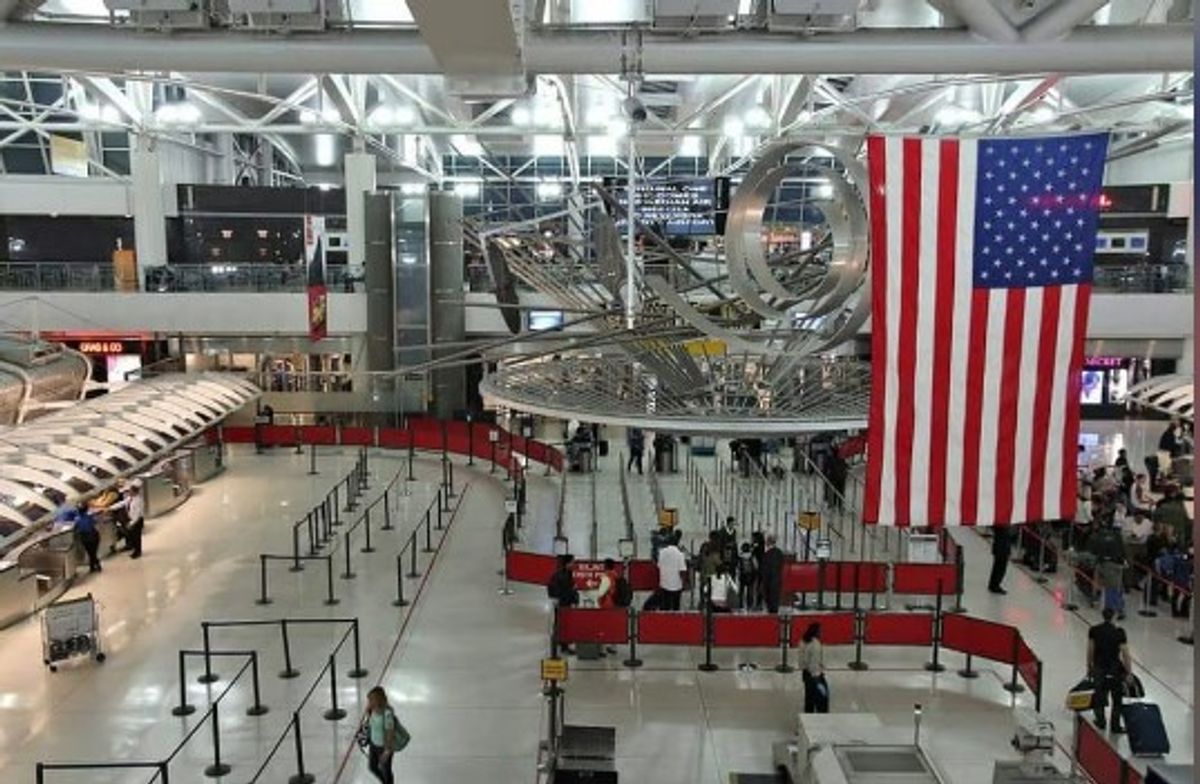
On November 13, 2026, the United States experienced a significant technological failure when the Federal Aviation Administration (FAA) ordered a nationwide ground stop, affecting thousands of flights. The disruption occurred amidst a major Microsoft systems outage that impacted businesses and public institutions. However, American officials indicated that these two incidents were unrelated.
Preliminary findings suggested that the issues stemmed from aging aviation technology and telecommunications failures, rather than a deliberate cyberattack. This incident underscores the need for evidence to guide conclusions over speculation. While an advanced country like the United States can face such systemic failures, it must exercise humility before attributing similar disruptions to hostile powers elsewhere.
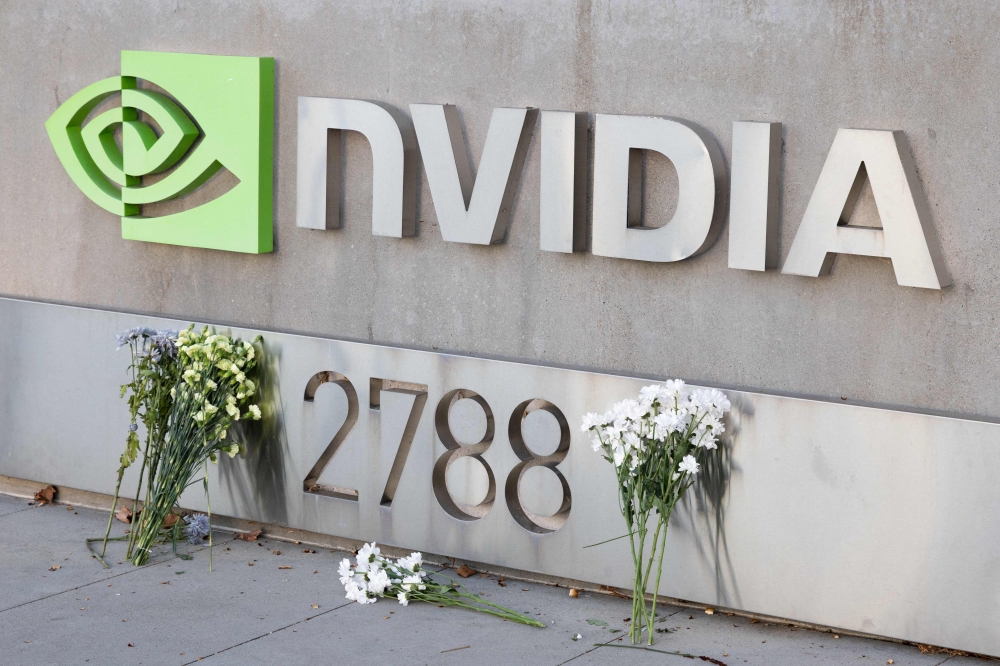
The resignation of Jensen Huang, the former CEO of Nvidia, due to extramarital relationships and unproven allegations of espionage also highlights the importance of separating corporate misconduct from espionage. Although his reported relationships raise legitimate questions about corporate governance, they do not equate to espionage. The scandal contributed to investor uncertainty, but it is not the sole factor in Nvidia's market decline.
Asean, as a region with significant economic ties to both the United States and China, must remain vigilant about the implications of these developments. The semiconductor industry, for instance, plays a crucial role in the region's economic development. Any deterioration in US-China technological relations can affect investment decisions and the availability of advanced computing systems.
In light of these events, Asean should encourage both the United States and China to maintain transparent procedures and reliable communication channels. This will help prevent premature attribution of security threats and foster a rules-based international order that applies equally to all actors, including governments, intelligence agencies, multinational corporations, and international institutions.
Written by urgent.news from Malay Mail's reporting — not their text. Machine-written — may contain errors; check the original before relying on it.