The reason behind splashing water on a hot tawa before spreading dosa batter
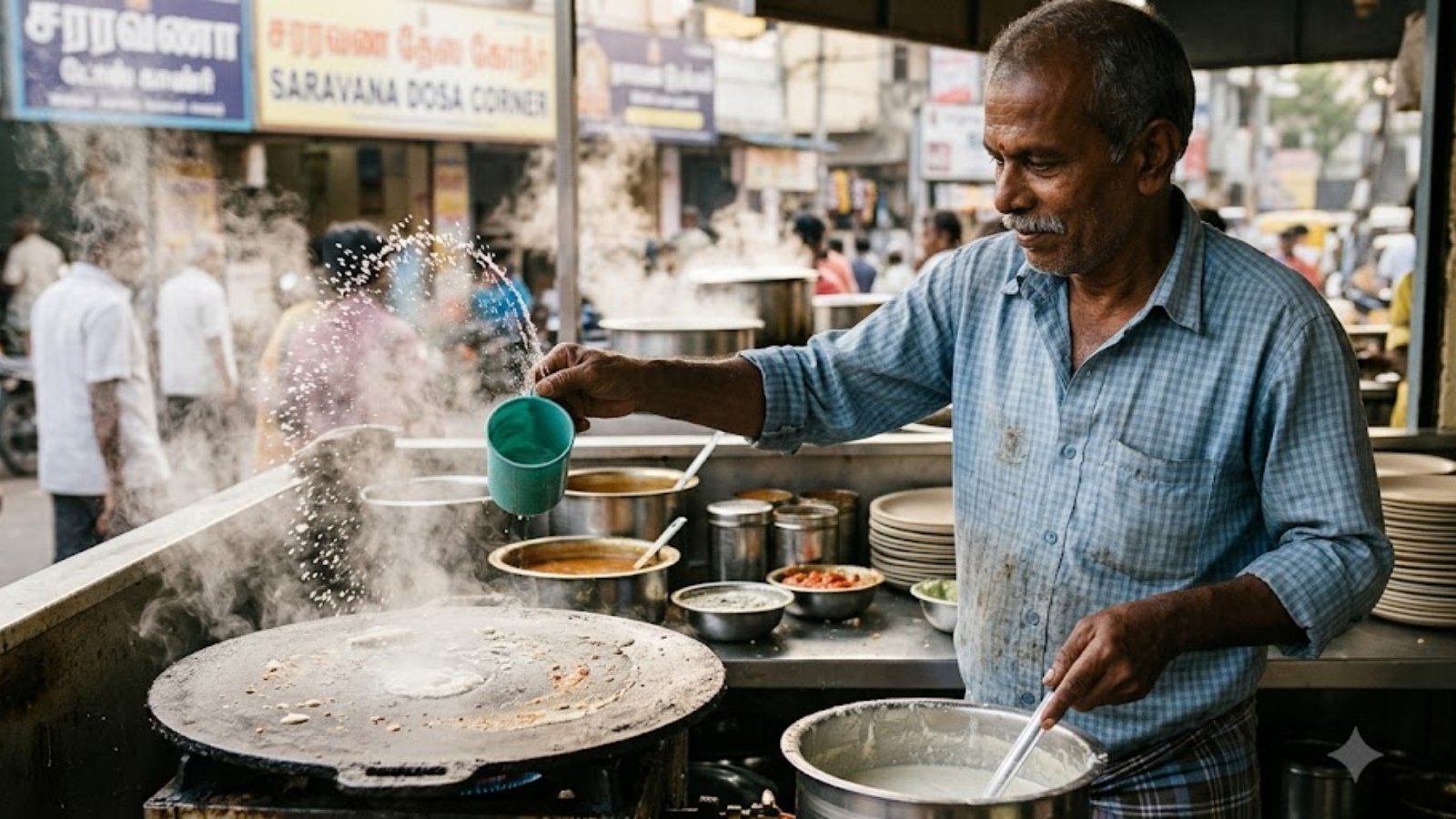
In Indian kitchens, it's common to see someone sprinkle a few drops of water onto a hot tawa before spreading the dosa batter. This simple act serves a purpose beyond mere tradition; it provides a quick way to gauge the pan's temperature, which is vital for achieving the desired texture of the dosa. Dt Amreen Sheikh, a Chief Dietician at KIMS Hospitals in Thane, explains that observing how the water reacts on a hot surface can indicate if the tawa is ready for cooking.
However, managing the pan's temperature is equally important to ensure the batter spreads evenly and cooks properly.
The reason behind splashing water on a hot tawa lies in its ability to give a rough indication of the surface temperature. If the water sizzles and evaporates quickly, it suggests that the tawa is hot enough. Conversely, a few drops can help cool the surface slightly if it has become too hot, aiding in spreading the batter evenly.
Sheikh emphasizes that temperature control is crucial because dosa batter requires a delicate balance of heat and moisture. If the tawa is too hot, the batter might set before it can be spread into a thin layer; if it's too cool, the dosa could turn out soft, pale, and less crispy.
While the practice of splashing water on a hot tawa is common, it comes with a caution. Water splashed onto an extremely hot tawa can suddenly sizzle and send hot droplets or steam toward your hands and face, posing a risk of burns. Sheikh advises using only a few drops instead of pouring water directly onto the pan. Moreover, the type of tawa used matters.
Non-stick cookware, while convenient, may suffer from damage if exposed to sudden temperature changes repeatedly. Overheating an empty non-stick pan can lead to coating deterioration and the release of fumes. It's advisable to follow the manufacturer's temperature guidelines and avoid excessive heat. Cast-iron tawas, known for their durability, can also be affected by sudden temperature changes, potentially leading to thermal stress and cracking.
Additionally, water on a greasy surface may cause hot oil to splatter, so it's recommended to allow the pan to cool gradually instead of pouring water over it immediately after cooking.
To achieve a crispy dosa, the tawa's temperature plays a significant role. Sheikh recommends a moderately hot surface, around 180-200°C, as an ideal starting point for crispy dosas. However, the optimal temperature can vary depending on the batter and the pan being used. Excessive heat might cause uneven browning, while a cooler surface might result in a soft dosa or one that sticks to the pan.
She also notes that the choice of tawa is crucial. A well-seasoned cast-iron tawa retains heat well and can produce crisp dosas, while a flat, heavy-bottomed stainless-steel tawa is another viable option. Non-stick tawas are convenient for beginners as they require less oil. Regardless of the material, ensuring the pan is preheated evenly and adjusting the heat between dosas are key to achieving consistent results.
Written by urgent.news from The Indian Express's reporting — not their text. Machine-written — may contain errors; check the original before relying on it.