The future of U.S. renewable energy rests on Nextpower—the backbone of the growing solar sector
Nextpower recently changed its name and has made 13 acquisitions in five years to lead the grow of solar power in the U.S. and abroad.
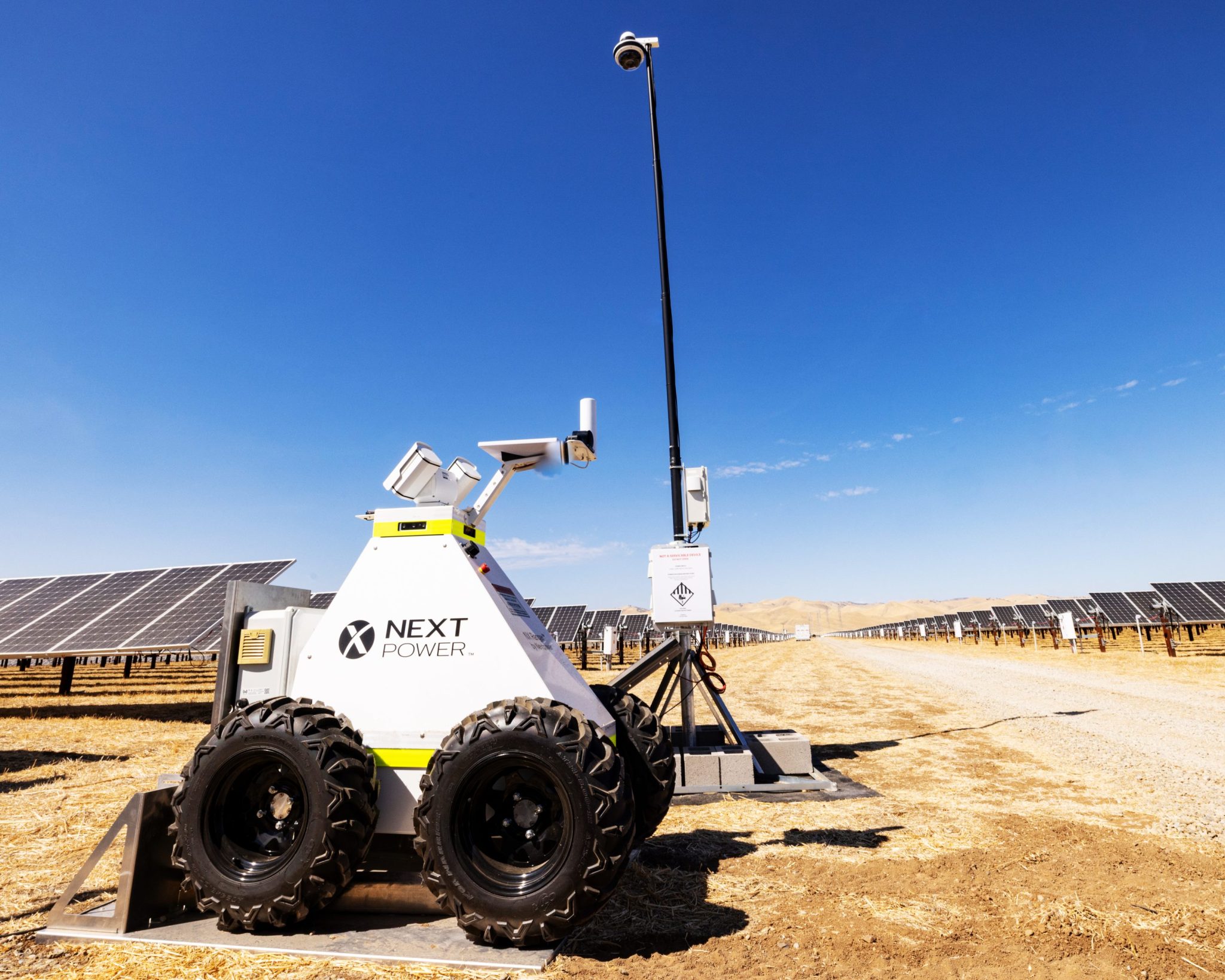
Nextpower, a U.S.-based solar company, is at the forefront of the industry's growth and has become a prominent player in renewable energy. They specialize in solar trackers which optimize the energy output of solar panels by following the sun's movement throughout the day, increasing energy production by up to 30%. Nextpower controls 55% of the U.S. solar tracker market and 30% globally, making them a key player in the sector.
The company has recently expanded into battery storage and solar portfolio, reflecting a diversified business model. This strategic move has boosted their stock, which is up 12% this year, bringing their market cap to $15 billion. Fortune ranked Nextpower at 24th in its list of Fastest-Growing Companies.
Nextpower's CEO, Dan Shugar, is confident about the sector's future, stating that solar power is still the fastest-growing source of power in the U.S. and even in oil-rich Texas. As the clean-energy sector is expected to rebound after the 2022 midterm elections, Nextpower's diversified business model presents a bet on the highest quality in a largely ignored sector.
The company's stock valuation and market position are further bolstered by its acquisitions. In the past year alone, Nextpower has acquired several businesses, including Prevalon Energy, Zigor, Zimmermann PV-Steel Group, Bentek, and Origami Solar. This strategic expansion has made Nextpower more attractive to the AI and robotics industries, as they can provide power-hungry data centers with a reliable energy source.
While the Trump administration has attempted to hinder renewable energy growth, Nextpower's diversified portfolio and domestic manufacturing have made it resilient to tariff increases and diesel price hikes. The company's backlog has more than tripled since becoming public four years ago, with over $6 billion in projects.
Looking ahead, the next decade could present both challenges and opportunities for Nextpower. The loss of tax credits for solar and wind projects could impact the industry, but the completion of current projects and potential infrastructure reform legislation could help offset these losses. Ultimately, the success of Nextpower and the broader renewable energy sector will depend on the decisions made by future administrations regarding subsidies and incentives for clean energy.
Written by urgent.news from Fortune's reporting — not their text. Machine-written — may contain errors; check the original before relying on it.