The downfall of AI’s $5.7 trillion man
The founder and CEO turned Nvidia into the linchpin of the AI boom. Can it survive without him?
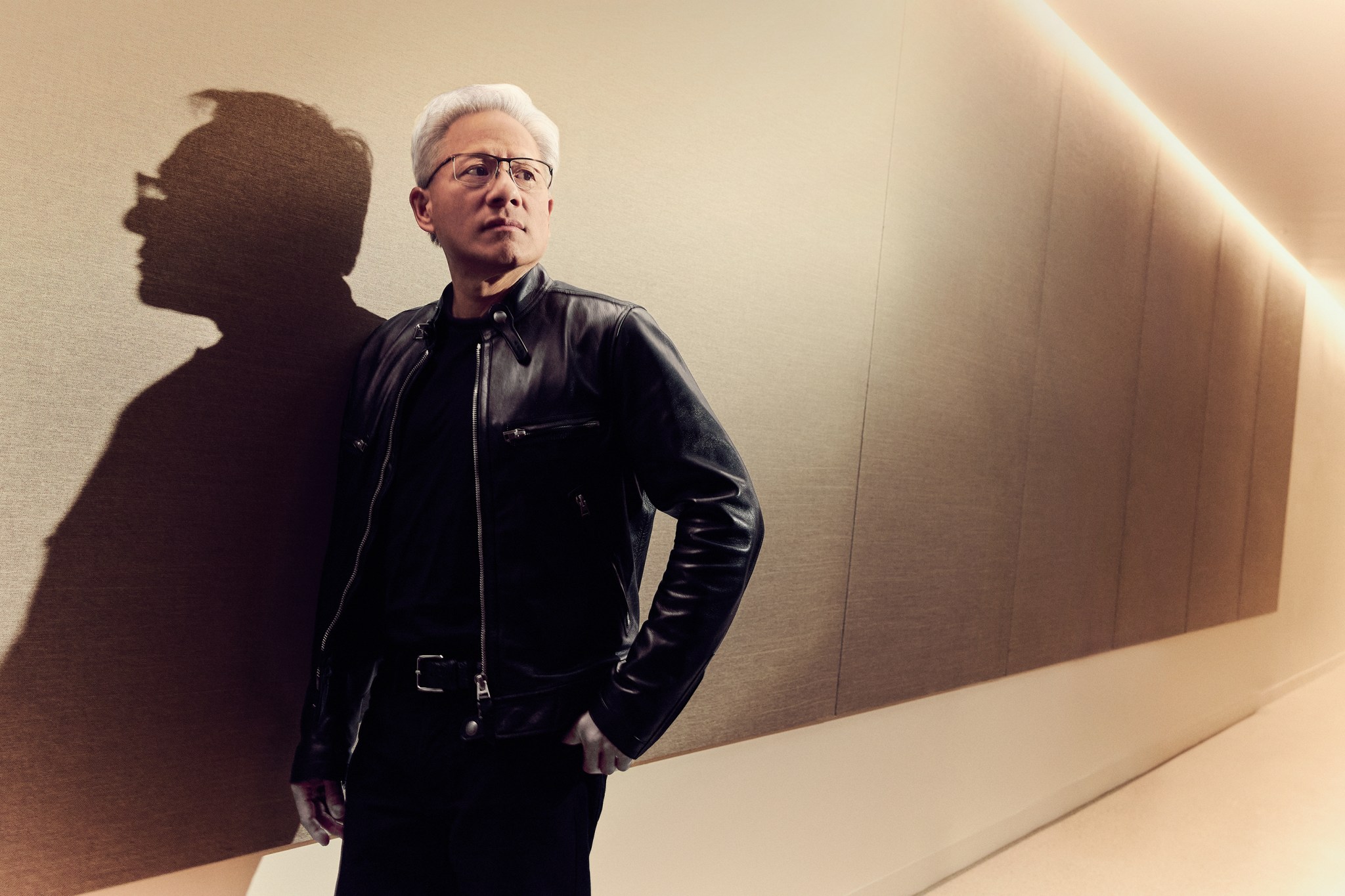
In October, Nvidia CEO Jensen Huang addressed a congregation at a converted church in West London, proclaiming his intention to invest in the AI industry's founders. The tech titan's European charm offensive, which included stops in France, Sweden, and Germany, solidified Nvidia's position as the default supplier of vital AI chips.
Huang's rise to power and influence was meteoric, with the company's market cap peaking at $5.7 trillion at one point. However, this meteoric rise was short-lived. Just three weeks after his London visit, Huang resigned as CEO amid allegations that he had an affair with a woman working as a Chinese intelligence asset. This revelation led to a cascade of investigations, resignations, and a significant drop in Nvidia's share price.
The AI industry, which had become heavily reliant on Nvidia's support and investments, now faces uncertainty. While the company's core business remains strong, critics argue that its dependence on Huang's leadership and past practices could spell trouble for the sector's long-term sustainability.
Written by urgent.news from Fortune's reporting — not their text. Machine-written — may contain errors; check the original before relying on it.