SpaceX successfully carries out first-ever spaceship catch
SpaceX’s Starship spacecraft on Saturday returned from its longest flight in orbit yet to the Texas launch tower it was launched from a day prior, showing the first key recovery of the rocket system’s centrepiece vessel in the company’s decade-long effort to develop a fully reusable rocket. The towering two-stage rocket’s Super Heavy booster – the rocket’s bottom half – carried Starship to space…
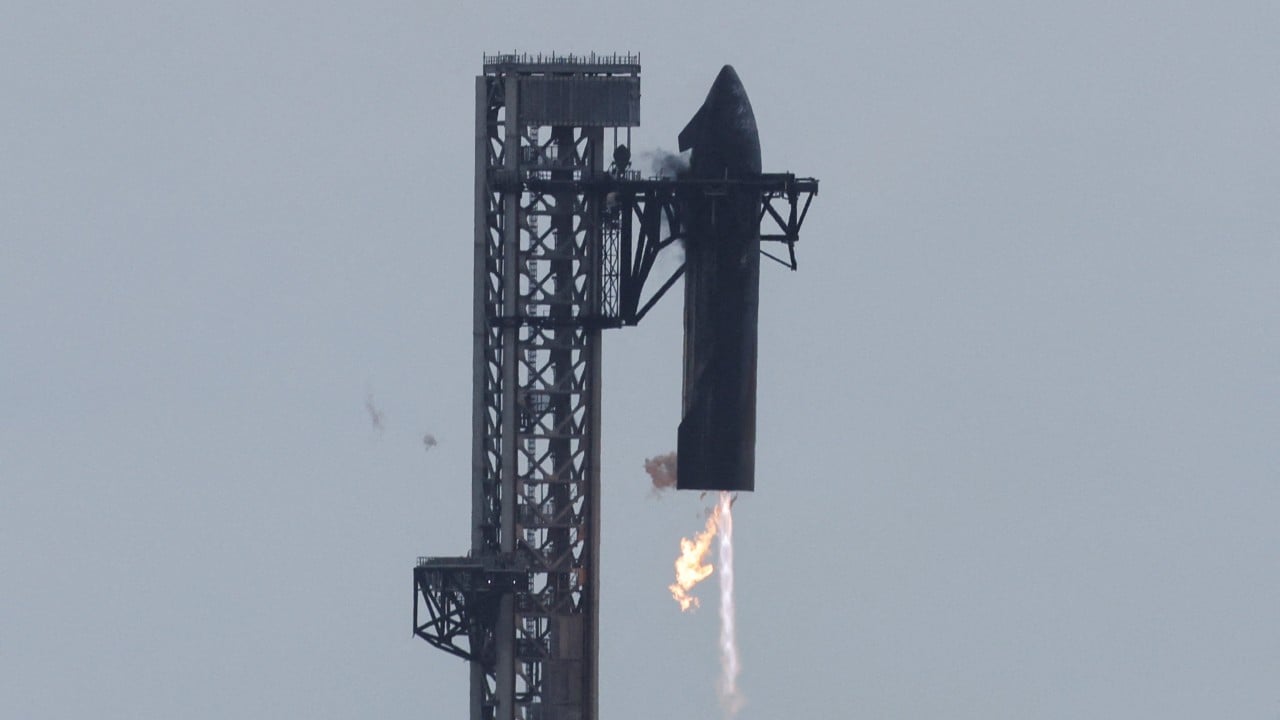
SpaceX's Starship spacecraft completed its most extensive flight to date on Saturday, returning to the launch pad from which it was launched the previous day. The spaceship gracefully maneuvered between the mechanical "chopstick" arms above Launch Pad 2 in Texas, marking the first successful recovery of the rocket system's main vessel in SpaceX's decade-long endeavor to create a fully reusable rocket.
Commentator Dan Huot expressed his excitement, exclaiming, "Can you believe it? Look at her! Baby, she’s back!" This was the 15th test flight of the world's largest and most powerful rocket system.
Initially, SpaceX had planned to recover the Super Heavy booster that launched the Starship. However, the lower stage recovery was unexpectedly aborted and resulted in an explosion over the Gulf of Mexico shortly after launch on Friday. Despite this setback, the successful return of the Starship's upper stage after orbiting Earth 14 times for over 22 hours, during which it deployed 26 Starlink satellites, represented a crucial milestone in the multi-billion-dollar development of the Starship.
Elon Musk, the billionaire behind SpaceX, views the spacecraft as essential for the company's satellite business and its long-term ambitions to send humans to the moon and eventually Mars.
NASA welcomed the news, as the US space agency is paying billions of dollars to utilize Starship in landing Artemis astronauts on the moon later this decade and helping build a permanent lunar base. Administrator Jared Isaacman described the event as "almost magic," writing about it on X. As for the booster, SpaceX's Kate Tice revealed that the booster's engines shut down prematurely.
The guidance system detected the booster was not in the correct position and triggered the self-destruction protocol. Engineers are currently investigating the cause of this issue.
Written by urgent.news from DW News's reporting — not their text. Machine-written — may contain errors; check the original before relying on it.
This story
This is one outlet's version. Read the fullest account.