Scrub. Rinse. Clean. Repeat. The relentless lives of app-based house helps
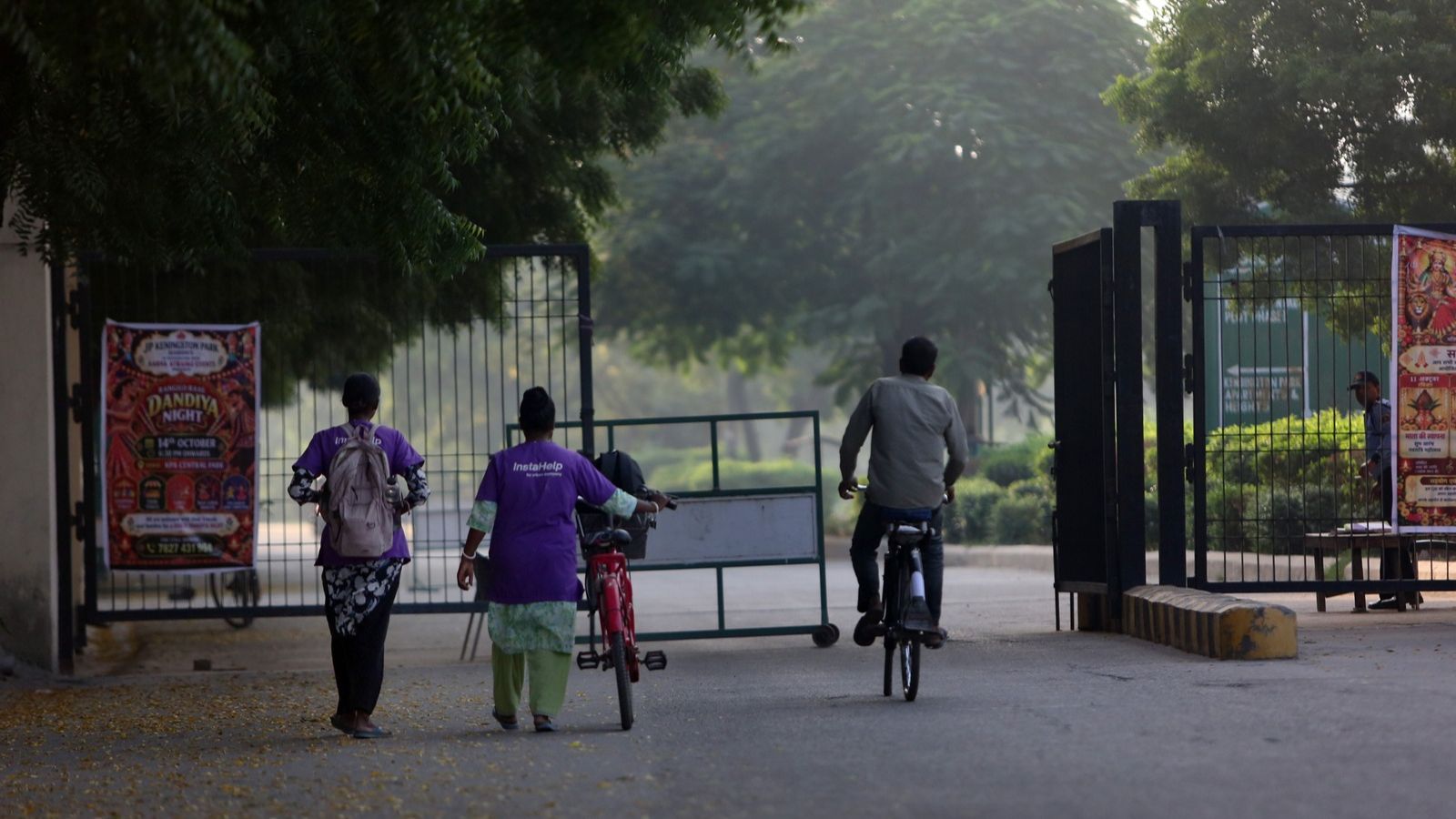
Akhila, a 31-year-old woman, is a domestic worker who now works as a gig worker for a company called InstaHelp. Every morning, she and her cousin Kritika wear purple smocks and cycle to a high-rise apartment complex 5 km away from their home in Noida’s Gejha gaon. Akhila is among thousands of women dressed in the colors of these platforms, turning up at their clients' doors to scrub, clean, and dust.
The gig economy for domestic workers has emerged in India in the 2010s, with platforms like InstaHelp, Snabbit, and Pronto connecting workers with households across the National Capital Region and major cities. These platforms have disrupted traditional networks that previously connected domestic workers with employers through referrals and negotiations.
Akhila began working as a cook in three Noida homes earning Rs 21,000 a month. However, when her husband and two children fell ill, she returned to her village in West Bengal for a month to manage a land dispute. Upon her return, she struggled to find work. A neighbor suggested she try gig work, which she took up. Akhila now earns Rs 9,391 for 15 days of work from InstaHelp, which she used to buy her first smartphone for Rs 22,000 on EMI.
Sumi, a 23-year-old woman, previously worked in a phone charger assembling unit in Noida, earning around Rs 9,000 a month. She moved from her village in Uttar Pradesh’s Aligarh to Noida to care for an ailing younger brother who died last year. Sumi found a job through Pronto, which required her to read Hindi and attend a six-day training. She now works for Pronto and faces challenges in navigating the world of apps.
Written by urgent.news from The Indian Express's reporting — not their text. Machine-written — may contain errors; check the original before relying on it.