Sarson ka saag to til: 5 traditional Indian winter foods and their health benefits
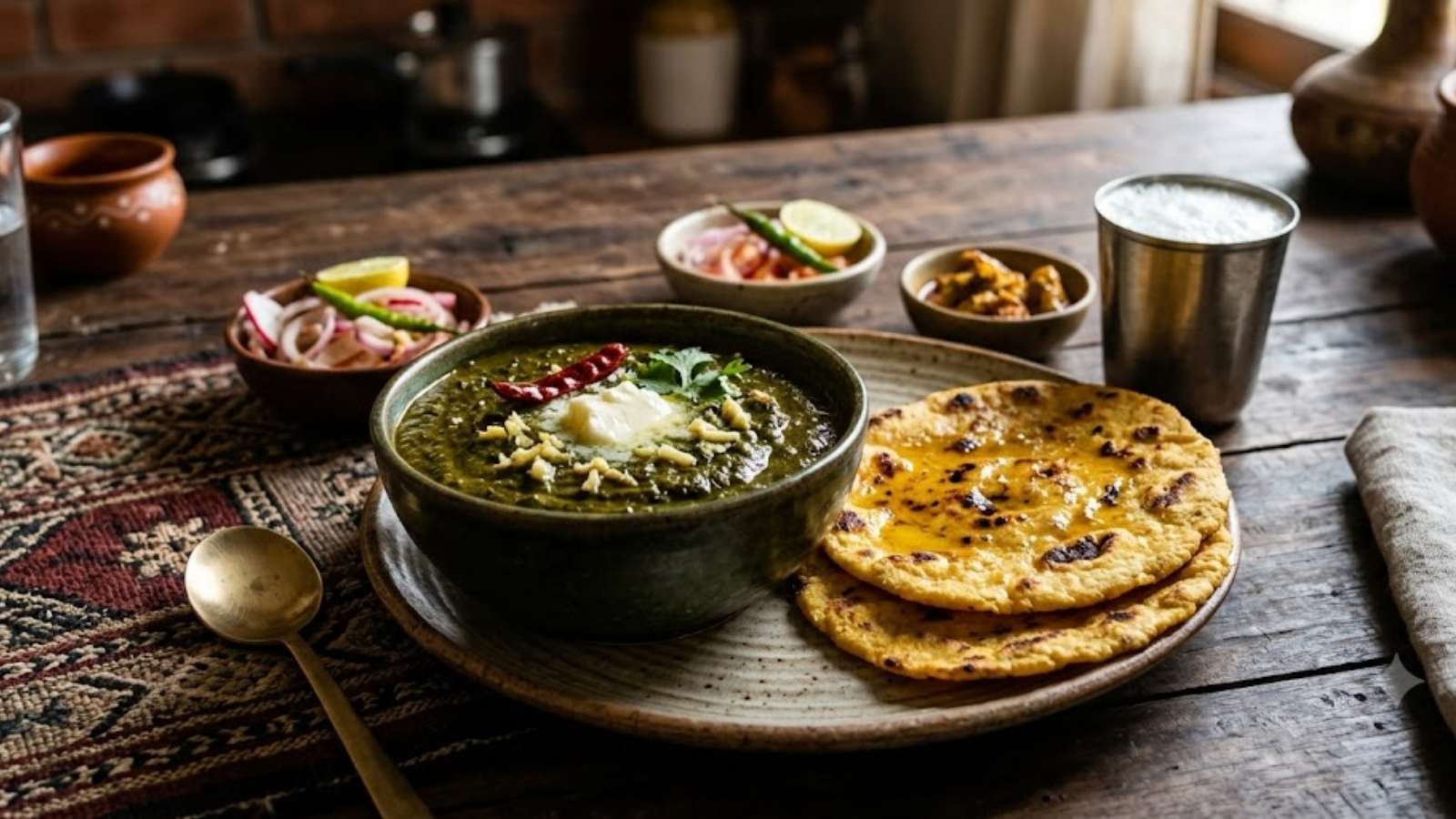
Winter in India brings a variety of traditional foods to the kitchen, featuring sarson ka saag, bajra rotis, til laddoos, fresh amla and red carrots. While these dishes are a delight to the palate, they also offer essential nutrients that contribute to good health. Dietician Kanikka Malhotra explains that these foods can be incorporated into a balanced winter diet as long as they are consumed in appropriate quantities and prepared thoughtfully.
Mustard greens, bathua and fenugreek leaves are three green vegetables that are particularly rich in vitamin K, a nutrient that plays a vital role in maintaining strong bones. They also provide beta-carotene, vitamin C and folate, and are relatively low in calories. Iron and calcium in these greens are not absorbed as efficiently as those found in animal-based foods.
To enhance iron absorption, Malhotra suggests adding lemon juice to these greens. She recommends making seasonal greens a regular part of winter meals instead of relying on calorie-dense accompaniments to make them more satisfying.
Bajra, or pearl millet, is another traditional winter grain that provides fiber, protein, iron and magnesium. Its high fiber content helps slow digestion and can keep you feeling full for longer. Bajra rotis serve as a healthier alternative to refined-grain options, but portion control is still important, especially for those managing blood sugar levels.
Malhotra notes that while bajra is a nutritious carbohydrate source, it still contains carbs and should be eaten in moderation, particularly by individuals with diabetes who need to monitor their blood glucose response.
Sesame seeds, or til, are a good source of unsaturated fats and minerals like calcium, magnesium and zinc. They also contain lignans, which have antioxidant properties. Crushing or powdering sesame seeds can improve nutrient absorption, as whole seeds may pass through the digestive system without being fully broken down. Malhotra advises using til in moderate amounts, such as sprinkling a tablespoon over a salad or incorporating it into a roti.
Til-gud laddoos can be enjoyed occasionally, but their added sugar content should be taken into account.
Amla, or Indian gooseberry, is an excellent source of vitamin C, which supports immune function and aids in the absorption of non-haem iron from plant foods. However, consuming amla does not guarantee protection against colds or other infections. Malhotra recommends enjoying amla raw or as chutney when possible and suggests amla murabba, which is often high in added sugar, should be consumed in moderation.
Carrots, both orange and red varieties, provide beta-carotene, which the body converts into vitamin A. This nutrient supports vision, skin health and immune function. Red carrots also contain lycopene, an antioxidant. Cooking carrots with a small amount of fat can improve the absorption of these fat-soluble compounds. Carrots can be added to sabzis, soups, and salads or incorporated into traditional dishes.
While gajar ka halwa can be a part of a winter diet, the portion size and the amount of added sugar, ghee and khoya used are important factors to consider.
Written by urgent.news from The Indian Express - Lifestyle's reporting — not their text. Machine-written — may contain errors; check the original before relying on it.