Placing what’s important on the table
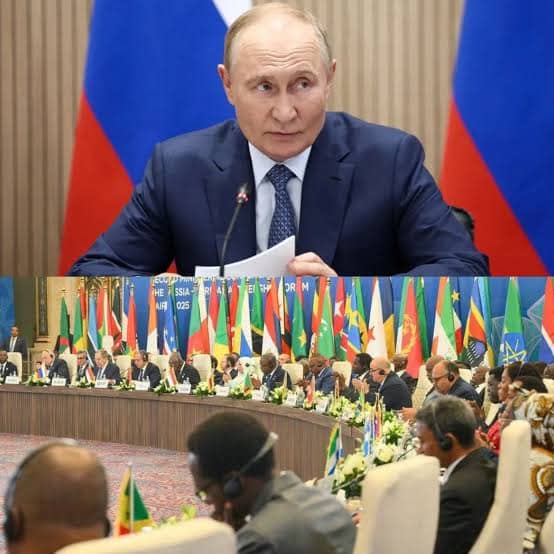
ASEAN summits are more than motorcades, road closures, traffic jams and world leaders exchanging handshakes and smiles before the cameras.
The 49th ASEAN Summit in Manila is more than just ceremonial events and world leaders exchanging pleasantries. It is a discussion about issues that directly impact everyday lives - like the cost of rice, fuel expenses, job availability and economic security for ordinary Filipino families. Understanding these concerns was essential for the Philippines when it took on the role of ASEAN chairmanship in January.
When the Middle East conflict erupted, it sent ripples through global energy markets, causing immediate and significant challenges for Southeast Asian economies that rely heavily on imported fuel. Recognizing this, the Philippine government took proactive steps at the May Cebu summit to elevate ASEAN's focus on energy security, food security, and ensuring the protection of ASEAN nationals involved in conflicts abroad. This wasn't a dilution of ASEAN's ambitions, but rather a pragmatic approach to real-world challenges.
For countries like the Philippines, which is heavily dependent on imports for both its fuel and rice supply, this practical response is crucial. ASEAN leaders explored ways to share fuel supplies in emergencies, establish a regional petroleum reserve, and push for a regional petroleum security agreement. They also sought stronger cooperation to safeguard food supplies. Even though these steps won't instantly lower gas prices or make rice more affordable, they can create a buffer against future disruptions.
The Philippine chairmanship has also brought economic opportunities and job creation to the forefront. The recently launched ASEAN Digital Economy Framework Agreement, which is expected to be finalized this month, is a particularly promising initiative. This could create a more integrated digital marketplace serving nearly 700 million people.
For Filipinos involved in freelancing, online entrepreneurship, small businesses and business process outsourcing, this could mean easier access to customers, fewer barriers to cross-border transactions, and more opportunities to compete globally.
Written by urgent.news from Philippine Star Business's reporting — not their text. Machine-written — may contain errors; check the original before relying on it.