PIDE holds moot: Speakers for export-oriented approach to trade accords
ISLAMABAD: Speakers at a roundtable conference on Friday called for an export-oriented approach to the country’s trade agreements, noting that imports from regional trade agreement (RTA) partners had grown much faster than exports since 2000. They stressed that the government must renegotiate existing agreements to secure better market access and ensure effective implementation to boost regional…
A recent roundtable conference in Islamabad, titled "From Signing to Exporting: Exploring the Export-Promoting Role of Trade Agreements," brought together various stakeholders to discuss the need for an export-oriented approach in Pakistan's trade agreements. Organized by the Pakistan Institute of Development Economics (PIDE), the conference featured speakers from diverse organizations including the World Trade Organization (WTO), the Economic Advisory Group, the Pakistan Business Council, and the EXIM Bank of Pakistan.
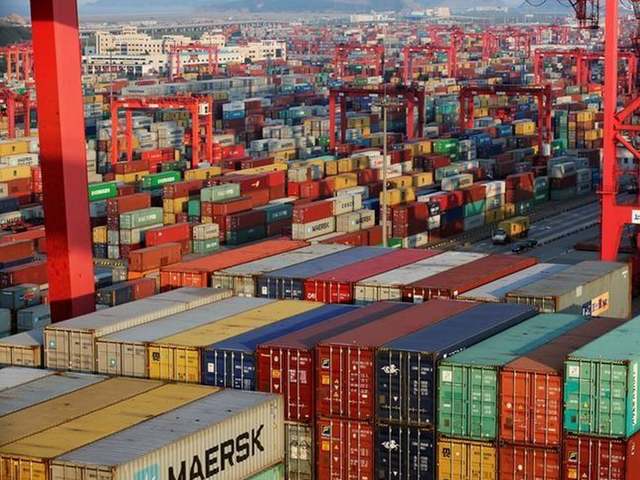
The speakers emphasized the rapid growth of imports from regional trade agreement (RTA) partners since 2000, which have grown much faster than exports. This trend indicates that Pakistan's trade agreements have been less effective in promoting exports. To address this issue, the report presented at the conference proposed several recommendations, such as renegotiating existing agreements for better market access, implementing simpler customs procedures, and fostering inclusive reforms to unlock Pakistan's export potential.
Dr. Uzma Zia, Senior Research Economist at PIDE, moderated the session, while Dr. Amjad Masood, Chief of Research and Director at CTLI, presented the report's key findings. The report highlighted several key issues, including the fact that imports from RTA partners now require only about 20 cents of export revenue to match each dollar of imports. The report suggested that Pakistan's existing RTAs, including the one with Turkey, have limited scope and have not been successful in boosting exports.
Moreover, the speakers argued that zero tariffs alone would not ensure long-term growth and that a higher frequency of trade was essential. They also emphasized the importance of economic diplomacy, inter-ministerial coordination, and the need for clearer leads for review processes in export finance. The conference brought together a diverse group of stakeholders to discuss actionable solutions to improve Pakistan's export performance through trade agreements.
Written by urgent.news from Business Recorder's reporting — not their text. Machine-written — may contain errors; check the original before relying on it.