People tend to underestimate how much they get in the way of their partner’s goals
In a 14-day diary study of 106 cohabiting couples, people were accurate, on average, about how much they helped their partner’s goals but tended to underestimate how much they got in the way.
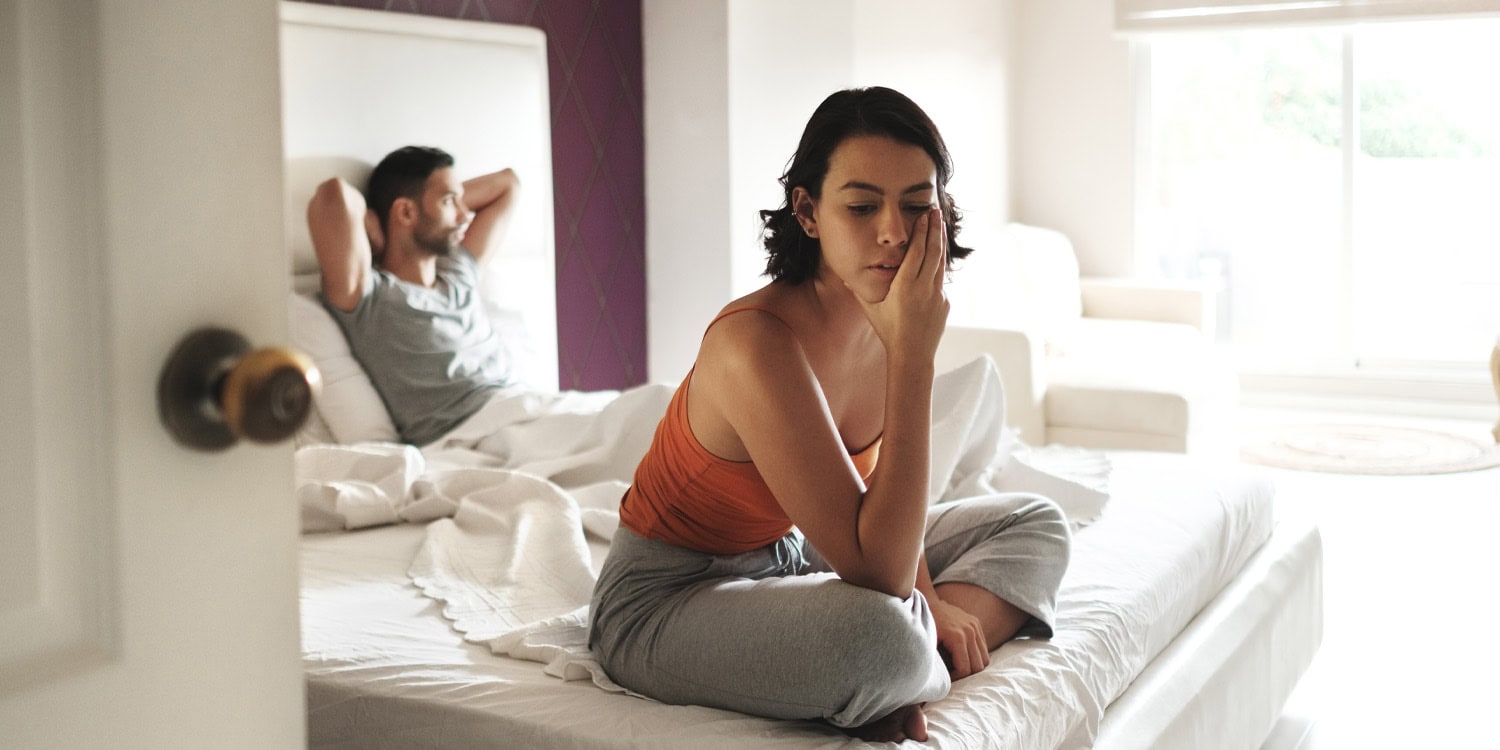
Research published in the Journal of Social and Personal Relationships examined whether cohabiting partners accurately recognized their influence on each other's daily goals. While individuals were aware when they were helping or hindering their partner's objectives, they often underestimated the ways they obstructed progress. This overestimation of one's positive impact on the relationship was linked to poorer relationship outcomes.
Personal goals are shaped by close relationships, with partners offering encouragement or inadvertently obstructing each other's aims through competing needs, routines, or everyday frictions. Researchers Emily Connard and colleagues explored whether people could accurately track their influence on their partner's goals, whether they exhibited projection bias, and how these misperceptions affected relationship well-being.
The study included 212 participants from 106 cohabiting couples, recruited through online advertisements. Over 14 days, participants completed daily diaries rating how their partner's actions aided or hindered their goals, and how they themselves influenced their partner's goals. They also assessed relationship satisfaction and closeness.
The results showed that people generally matched their self-ratings with their partner's reports, indicating some level of tracking accuracy. However, partners tended to overestimate their help and underestimate their obstruction of their partner's goals, suggesting a projection bias. This misperception was associated with lower relationship satisfaction and closeness.
While being overly positive about one's impact might protect individuals from discomfort, it could also blind them to opportunities for relationship improvement. The findings primarily apply to U.S.-based White couples and may not generalize to other demographics.
Written by urgent.news from PsyPost's reporting — not their text. Machine-written — may contain errors; check the original before relying on it.