One cable mistake could be killing your desktop PC's gaming performance
Plugging your monitor into the motherboard instead of your dedicated GPU can ruin gaming performance. Here's how to check your ports and get your frames back.
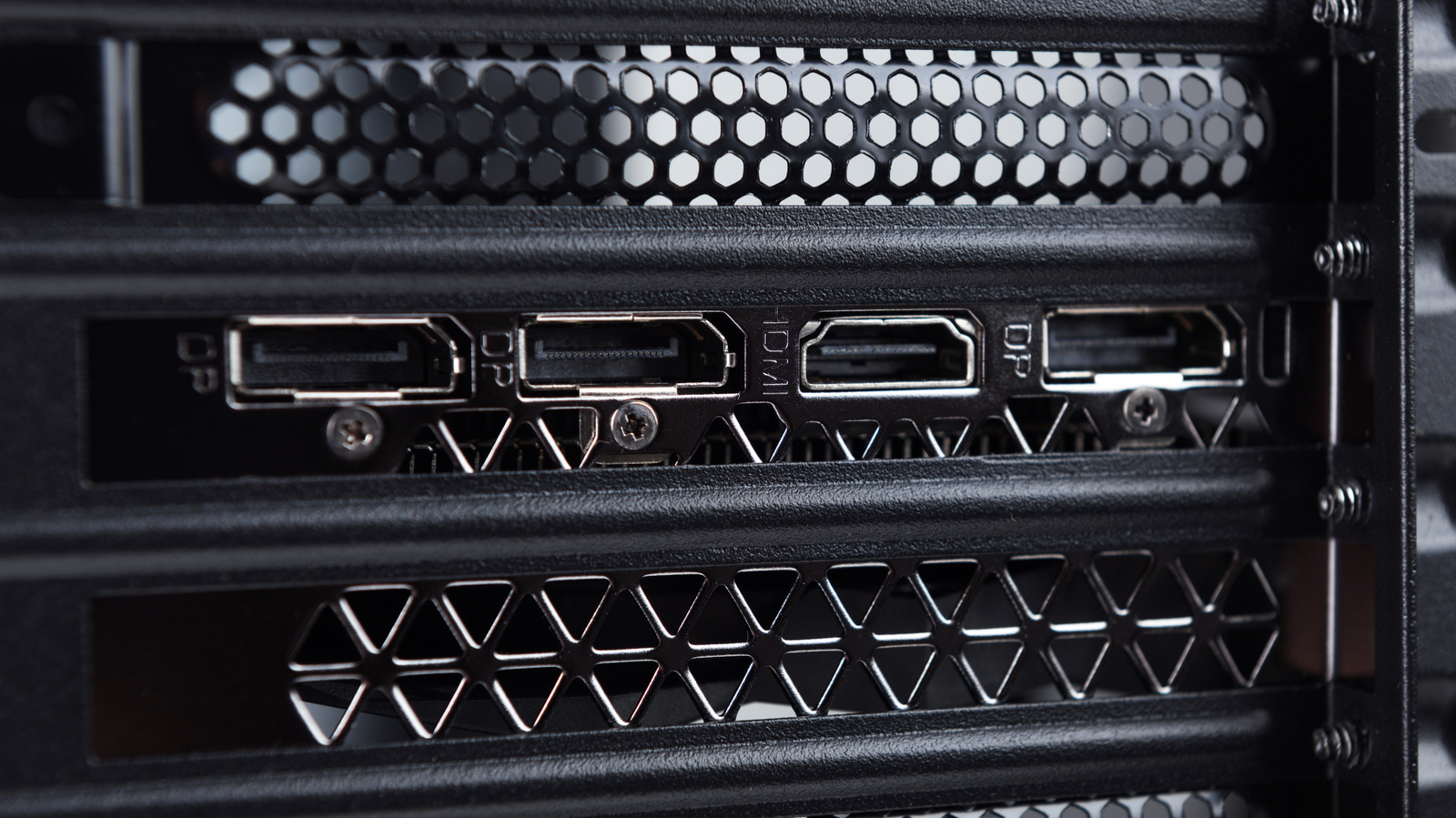
Mishandling a cable connection in a PC can severely impact its gaming performance. Many desktops come equipped with dual monitor ports - one on the motherboard and another on the dedicated graphics card. Plugging a monitor into the wrong port can result in subpar integrated graphics or an entirely blank screen.
Integrated graphics are sufficient for basic tasks and less intense games, but they typically fall short compared to a dedicated GPU. If your system runs games on integrated graphics, you're not tapping into the full potential of your gaming hardware. In certain Windows configurations, the dedicated GPU might still render games and relay frames through integrated graphics, leading to potential performance overhead. The extent of this performance loss varies and is not always evident to the user.
For gamers experiencing issues, the solution often lies in repositioning the monitor's cable to the graphics card's designated ports. These ports, nestled on the expansion bracket of the graphics card, are often laid out horizontally, a distinction that might not be immediately apparent due to varying orientations across different systems.
To verify the correct ports, power down the PC, reposition the monitor cable to the graphics card, and select the appropriate input on the monitor. Both HDMI and DisplayPort are capable of high-refresh-rate gaming, contingent upon your graphics card, monitor, and cable compatibility.
On Windows 11, navigate to Settings > System > Display > Advanced display to check the refresh rate. Despite this, remember that a 100Hz monitor set to 60Hz will only display 60 frames per second, irrespective of the graphics card's output.
If the screen remains black after switching to the dedicated GPU, consider trying a different port or cable. Always remember to shut down and unplug the PC before tinkering with the power connectors or GPU card. Lastly, if integrated graphics remain active, you could even connect a second monitor to the motherboard's output, contingent on your system's compatibility.
Written by urgent.news from Engadget's reporting — not their text. Machine-written — may contain errors; check the original before relying on it.