Nvidia fallout throws spotlight on Southeast Asia’s AI boom
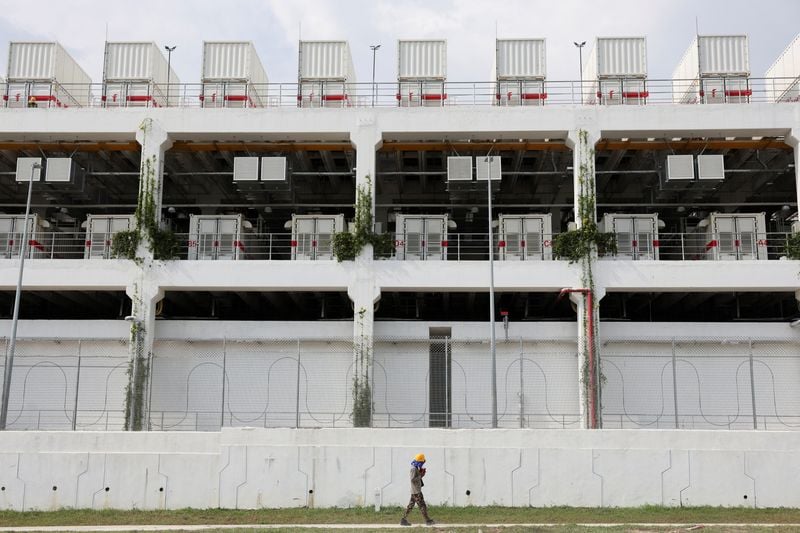
Nvidia's recent woes have drawn attention to Southeast Asia's burgeoning AI boom, particularly in Singapore and Malaysia, according to industry executives and analysts. Former Nvidia CEO Jensen Huang's alleged affair with a suspected Chinese spy has heightened scrutiny of the region, prompting US lawmakers to demand stricter controls on China's access to advanced AI chips.
The US currently bans exports of its most advanced AI chips to China, but lawmakers seek to close a loophole allowing Chinese firms to rent computing power from overseas data centers and access systems remotely.
Megaspeed, a Singapore-based cloud computing firm with subsidiaries in Thailand, Indonesia, Malaysia, Australia, and the US, is under investigation for potential false declarations in relation to the purchase of servers and other offenses. As a result, every operator in the region's data center industry will now need to know its end user and provide proof of where every chip is located and who it serves.
Ke Yan, head of research at Shenton Research in Singapore, noted that Southeast Asia's data center industry is thriving, with Malaysia approving $94.67 billion in data center-related investments since 2021 and Thailand having 42 data centers with a combined IT load of 3,400 MW and around $22.58 billion in investment as of February.
Gary Goh, CEO of Malaysia-based data center consultancy Sprint DC, compared the current situation to a post-DeepSeek moment, warning of potential short- to medium-term market shock for Malaysia's data center market. The AI boom has boosted the region, with Singapore recently raising its economic growth forecast to 4.5%-5.5% this year from 2.0%-4.0%, citing the AI cycle. Malaysia's construction sector also experienced a 6% increase in the third quarter of 2026 due to rising data center development projects.
The region is still grappling with the implications of tighter regulations, with an investor and CEO of an Asian neocloud company expressing concerns about additional processes and longer timelines for chip deliveries. Singapore and Malaysia are weighing laws to monitor data center operations, including the use of high-performance chips, to ensure compliance with US restrictions.
While some see a silver lining in the situation, with potential benefits for non-US companies, others worry about the impact on the region's prospects for acquiring chips.
Written by urgent.news from Investing.com's reporting — not their text. Machine-written — may contain errors; check the original before relying on it.