Middle East war: 5 things UAE residents need to know today (Nov 14, 2026)
The Middle East conflict remained volatile on Saturday morning following an Iranian drone incident near Bahrain, renewed Houthi threats against Saudi Arabia and reports of tanker explosions in the Strait of Hormuz. Meanwhile, oil prices recorded another weekly decline, even as regional aviation and shipping continued to face disruption. Here are five key developments UAE residents need to know…
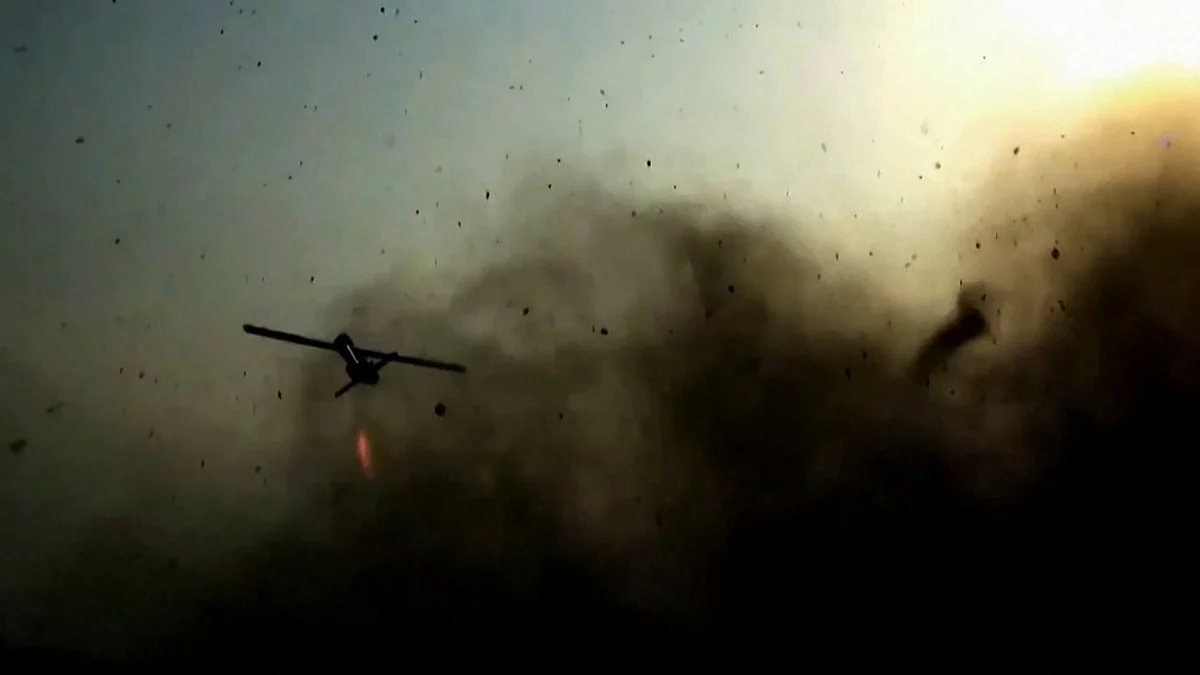
1. US forces intercepted two Iranian attack drones that were heading towards Bahrain on Friday, thwarting Iran's claim that its Revolutionary Guards had destroyed an American early-warning radar installation. US Secretary of State Marco Rubio stated that further military action against Iran was unnecessary, emphasizing that economic pressure is already weakening Tehran. This incident highlights the delicate security situation in the Gulf, even as efforts are made to avoid extensive conflicts.
2. The Iran-aligned Houthis announced they fired two ballistic missiles towards Saudi forces in Al-Tuwal, Jazan province, on Friday. The Saudi Civil Defence reported that the area had been declared safe. The Houthis also claimed attacks on King Khalid International Airport in Riyadh and a pumping station on the East-West oil pipeline.
However, Saudi authorities have not confirmed these claims. The oil pipeline is crucial for Saudi Arabia, allowing it to export around four million barrels of crude daily through Yanbu without going through the Strait of Hormuz. The ongoing fighting in Yemen further jeopardizes Bab Al Mandab, a significant maritime passage linking the Red Sea and Gulf of Aden.
3. Iran claimed that two oil tankers exploded and caught fire after colliding with sea mines while attempting to cross the Strait of Hormuz. According to Iranian state television, the vessels were traveling without coordination with Tehran. However, these claims have not been independently verified. Iran provided no further details.
The International Maritime Organization reported that approximately 134 maritime security incidents had occurred in the wider Middle East region since February, resulting in 25 deaths. For UAE businesses, such ongoing insecurity poses risks to shipping insurance, freight costs, and delivery schedules.
4. Flights between Abu Dhabi and Riyadh and Dammam are currently cancelled through November 19, as per Etihad Airways' official advisory. However, selected Abu Dhabi-Jeddah services have resumed, providing options for residents traveling for Umrah. Disruptions have also affected selected Saudi destinations for airlines such as Emirates, flydubai, and Air Arabia. Travelers are advised to confirm individual flight status directly with the airlines before traveling, especially when making onward connections.
5. Oil prices dropped below $96 a barrel on Friday, with Brent crude settling at $95.84 a barrel and US West Texas Intermediate closing at $88.56. Both benchmarks experienced a decrease of around 2.5% during the week. This decline occurred as investors balanced concerns about improving global supplies with ongoing Middle East security risks.
The International Energy Agency's latest assessment suggested a growing global oil surplus, which helped ease worries about potential shortages. For UAE residents, lower crude prices may eventually alleviate some transport and logistics costs. However, domestic petrol prices are adjusted monthly, and residents should continue monitoring government guidance, airline notifications, and maritime security updates as the situation in the region evolves.
Written by urgent.news from Gulf News's reporting — not their text. Machine-written — may contain errors; check the original before relying on it.