Microchip, QR Tag or GPS: What Really Brings a Lost Pet Home
Losing a dog or cat can happen in seconds. A single open gate or a loud firework can turn a calm walk into a frantic search. Pet tracking technology now offers several ways to help owners identify and recover missing animals, but microchips, QR codes (square barcodes that a phone camera can read) and GPS […]
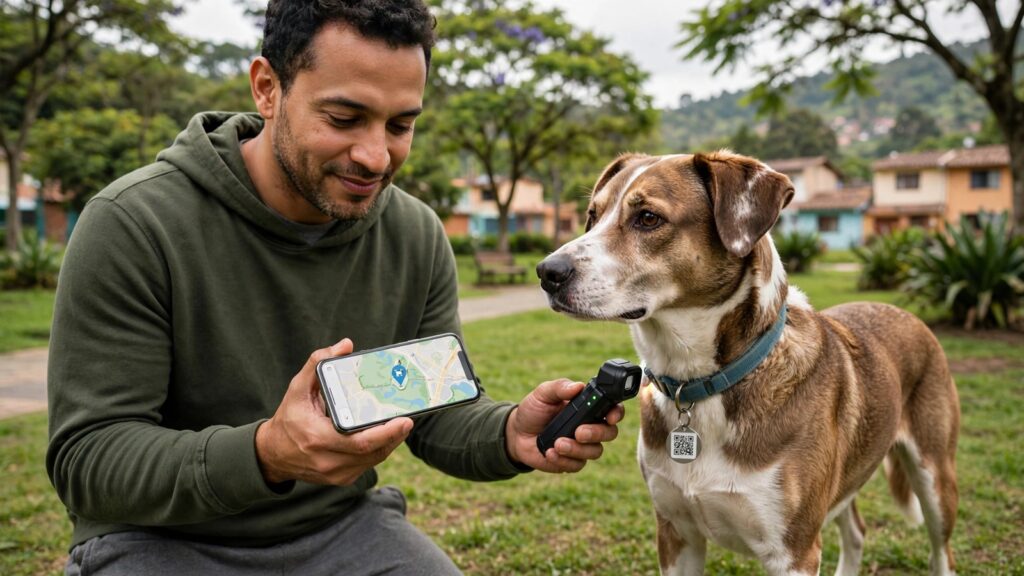
Lost pets can be recovered using microchips, QR tags, and GPS devices, each serving different purposes. A microchip functions like an ID card implanted under a pet's skin, containing a unique ID number that can be scanned to retrieve registration details. However, it does not have a battery or GPS capabilities, so it cannot track the animal's location.
A QR tag, attached to a collar, allows someone who finds the pet to scan the code with a smartphone and access the pet's information and owner's contact details. GPS trackers use satellite signals to calculate the animal's location and transmit it to an app on the owner's phone. However, GPS tracking may not provide continuous, second-by-second location updates and can be affected by interference from buildings or lack of mobile network coverage.
Experts recommend combining these technologies based on the animal's lifestyle rather than relying on a single solution. For animals that have escaped before or roam outdoors often, GPS trackers are recommended, while microchips serve as permanent identification, and QR tags provide visible identification. Bluetooth trackers like Apple's AirTag offer different capabilities, such as limited satellite tracking and dependence on nearby iPhones for location reporting, making them better suited for urban environments.
The article emphasizes that the choice depends on the pet's needs and environment, with prices ranging from US$12.72 to US$151.47 for GPS collars and US$12.72 to US$60.59 for Bluetooth trackers, along with potential monthly fees for GPS collars.
Written by urgent.news from Colombia One's reporting — not their text. Machine-written — may contain errors; check the original before relying on it.