Medicine is AI’s real test, and India has a historic opportunity: Siddhartha Mukherjee
The oncologist said AI will have failed if it does not make medicines faster, cheaper and better

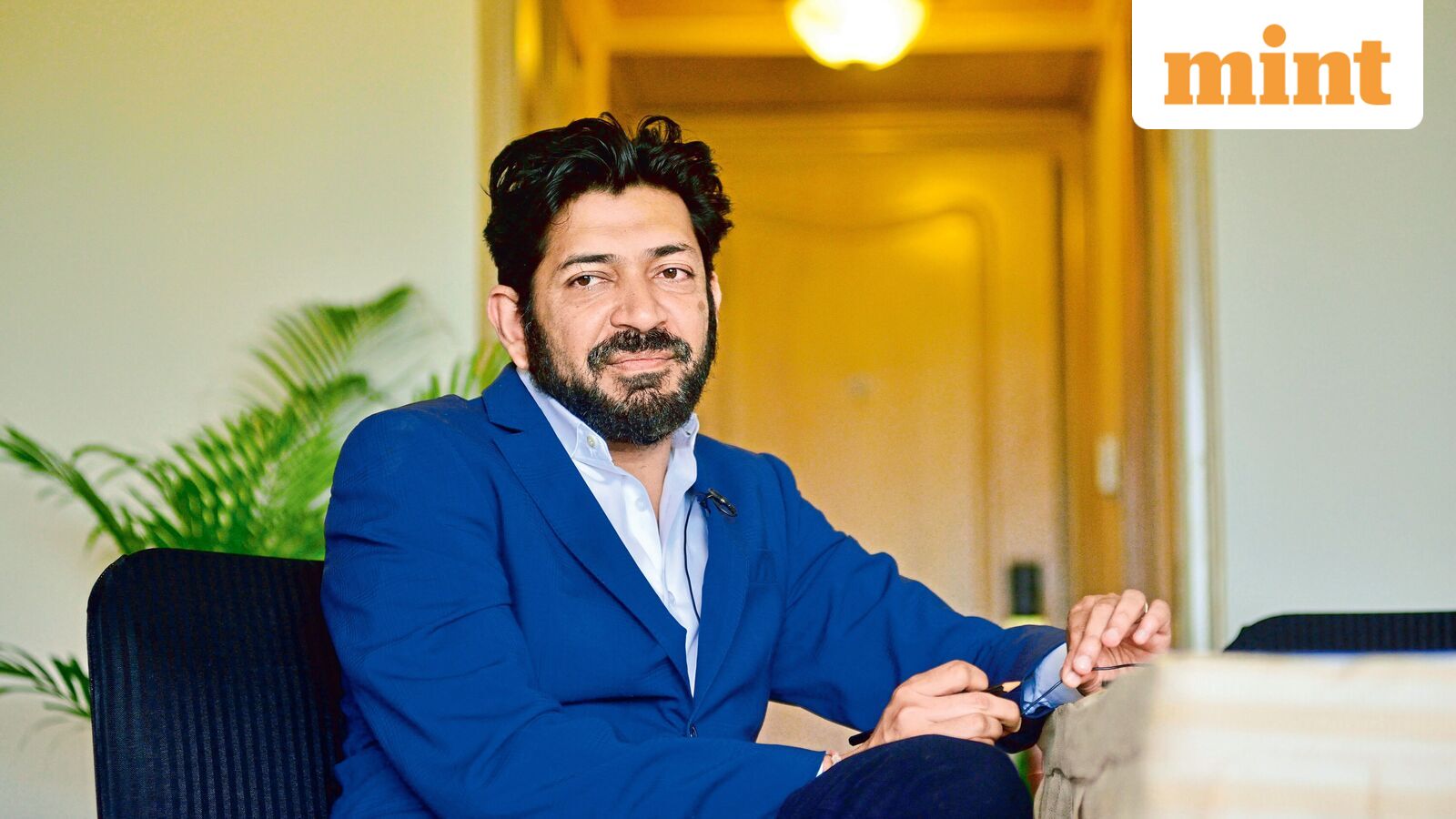
Artificial intelligence (AI) should be evaluated by its ability to expedite, reduce costs, and enhance the development of medicines, according to oncologist and author Siddhartha Mukherjee. Speaking at the Hindustan Times Leadership Summit, Mukherjee, co-founder and CEO of Manas AI, emphasized that AI's transformative potential in medicine is the one aspect that could alleviate concerns about its rapid rise.
He reiterated this point at the end of his talk: "If it's not true that medicines become faster, cheaper, better, then we have failed the AI revolution."
Mukherjee noted that the approval of new medicines has been decreasing over time, while their costs have been increasing—a trend he attributed to Eroom's Law, the inverse of Moore's Law. He stated that if AI can reverse this pattern, we will have truly mastered the capacity to bring medicines to large populations. India, he argued, has a unique opportunity to lead this change through appropriate regulatory and technological reforms.
Mukherjee explained that every medicine interacts with proteins in the body like a key fits a lock. He cited aspirin, Lipitor, and Tylenol as examples, explaining that the current system of testing every possible key against a single target protein is impractical. Current methods cannot test 10 to the power of 24 possible compounds.
Instead, modern drug design identifies the target, locates the keyhole, and constructs a chemical to fit it. Mukherjee's company, Manas AI, employs a combination of artificial intelligence and "medicinal intelligence" to achieve this.
He provided an instance of Manas AI's speed: for a pancreatic cancer drug, they identified the keyhole in two hours, whereas a human researcher would take about 10 years. Manas AI sends 50 to 100 proposed compounds to Chinese chemical companies every three weeks, who test them and return data in about three weeks. Mukherjee described this as their design-make-test cycle, one of the fastest ever achieved.
He illustrated AI's potential with a local example: three years ago, he launched Immuneel, a cell-therapy company in Bengaluru, which is currently curing leukaemia and lymphoma and could soon do the same for myeloma in India.
Written by urgent.news from Hindustan Times's reporting — not their text. Machine-written — may contain errors; check the original before relying on it.