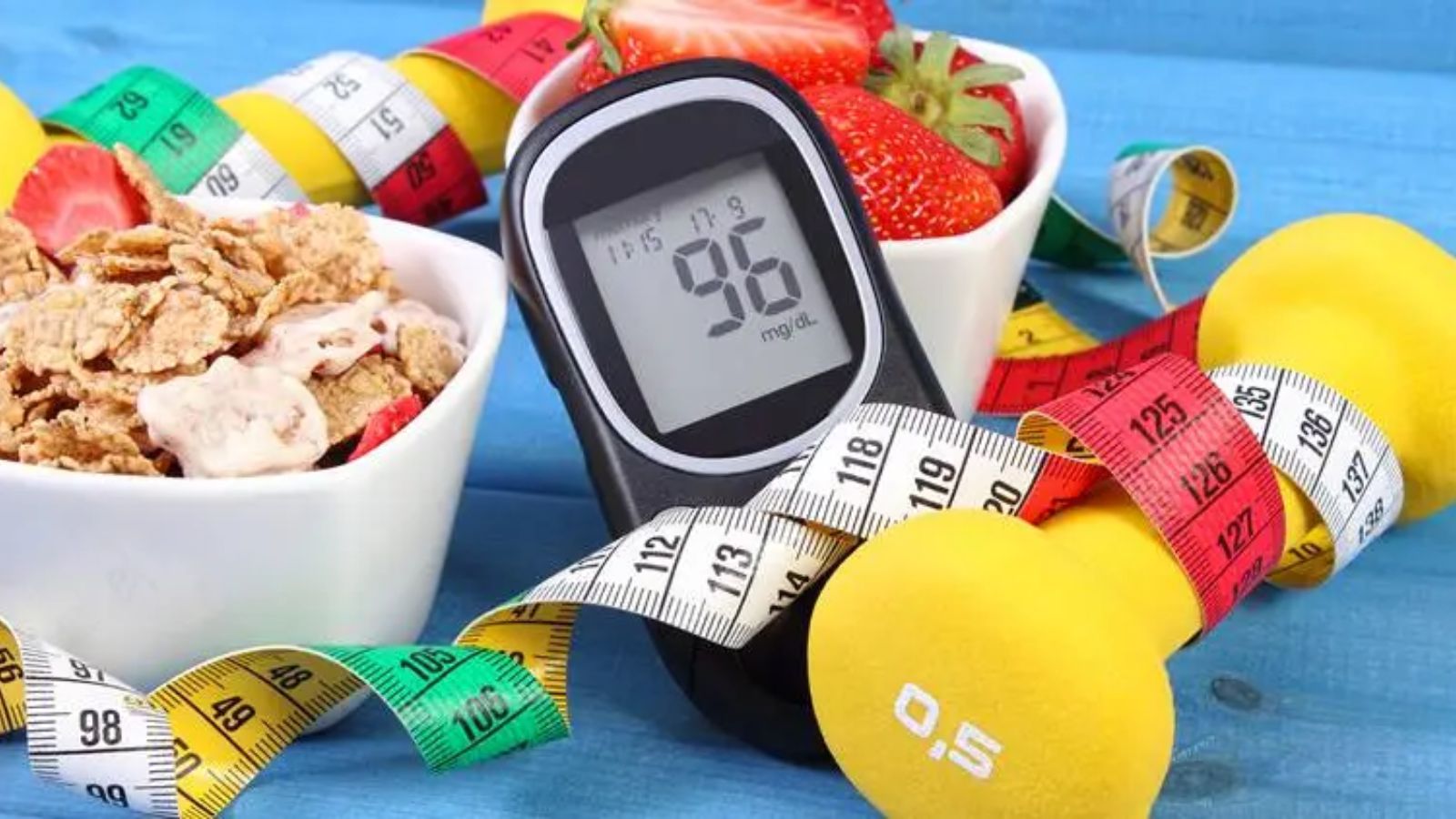
Making diabetes care fit more naturally into everyday life
For people who rely on insulin, newer technologies can reduce some of the burden of repeated injections and dosage adjustments.

For those relying on insulin to manage diabetes, pump therapy can offer a more seamless integration into daily life. Managing blood glucose levels affects various aspects of one's routine, from meals and exercise to school, work, and travel. Dr Muhammad Radzi Noh, a consultant physician and endocrinologist, emphasizes that diabetes management is not solely about maintaining blood glucose within a target range; it's about ensuring a minimal disruption to one's life.
An insulin pump is a small device that continuously delivers insulin, sometimes in conjunction with continuous glucose monitoring systems. These advanced systems use algorithms to adjust insulin delivery based on glucose readings. While the technology does not completely automate diabetes management or eliminate the need for understanding the impact of food, exercise, and illness on glucose levels, it can simplify some of the repetitive calculations and manual adjustments for suitable users.
For children with type-1 diabetes, pump therapy can provide a significant advantage by simplifying glucose checks and meal planning, which can often be challenging for them to grasp or accept. The pump can be used independently or with the assistance of parents or caregivers. However, families must consider how the device fits into various aspects of childhood, such as school, sports, swimming, sleep, and other activities.
Different pumps have varying requirements, especially for water-based activities, and insulin doses may need adjustment around exercise. With proper monitoring and a personalized plan, children using pumps can still engage in active lifestyles.
The same considerations apply to adults with diabetes who travel frequently, exercise regularly, work irregular hours, or simply dislike frequent injections. While newer technology may seem promising, it does not automatically guarantee better outcomes for everyone. Suitability for an insulin pump depends on factors such as the type of diabetes, insulin requirements, glucose patterns, lifestyle, ability to safely use the equipment, and individual preferences.
Regular glucose checks remain crucial in diabetes management, as even with an insulin pump, active user involvement is essential. Users must understand glucose readings, recognize potential issues, and comprehend how meals, activity, and illness may affect insulin needs. Devices and infusion sites must also be monitored, and backup plans are necessary in case of insulin delivery interruptions.
Education plays a vital role in initiating pump therapy for suitable patients, which can be managed through outpatient care depending on clinical needs and the specific device. Ultimately, for many with type-1 diabetes, conventional insulin injections remain an effective and appropriate treatment. As Dr Radzi Noh noted, "The best diabetes treatment is not necessarily the newest technology.
It is the treatment that is appropriate for the individual, and that they can use safely and confidently as part of their everyday life."
Written by urgent.news from Free Malaysia Today's reporting — not their text. Machine-written — may contain errors; check the original before relying on it.
This story
This is one outlet's version. Read the fullest account.
- Making diabetes care fit more naturally into everyday life freemalaysiatoday.com