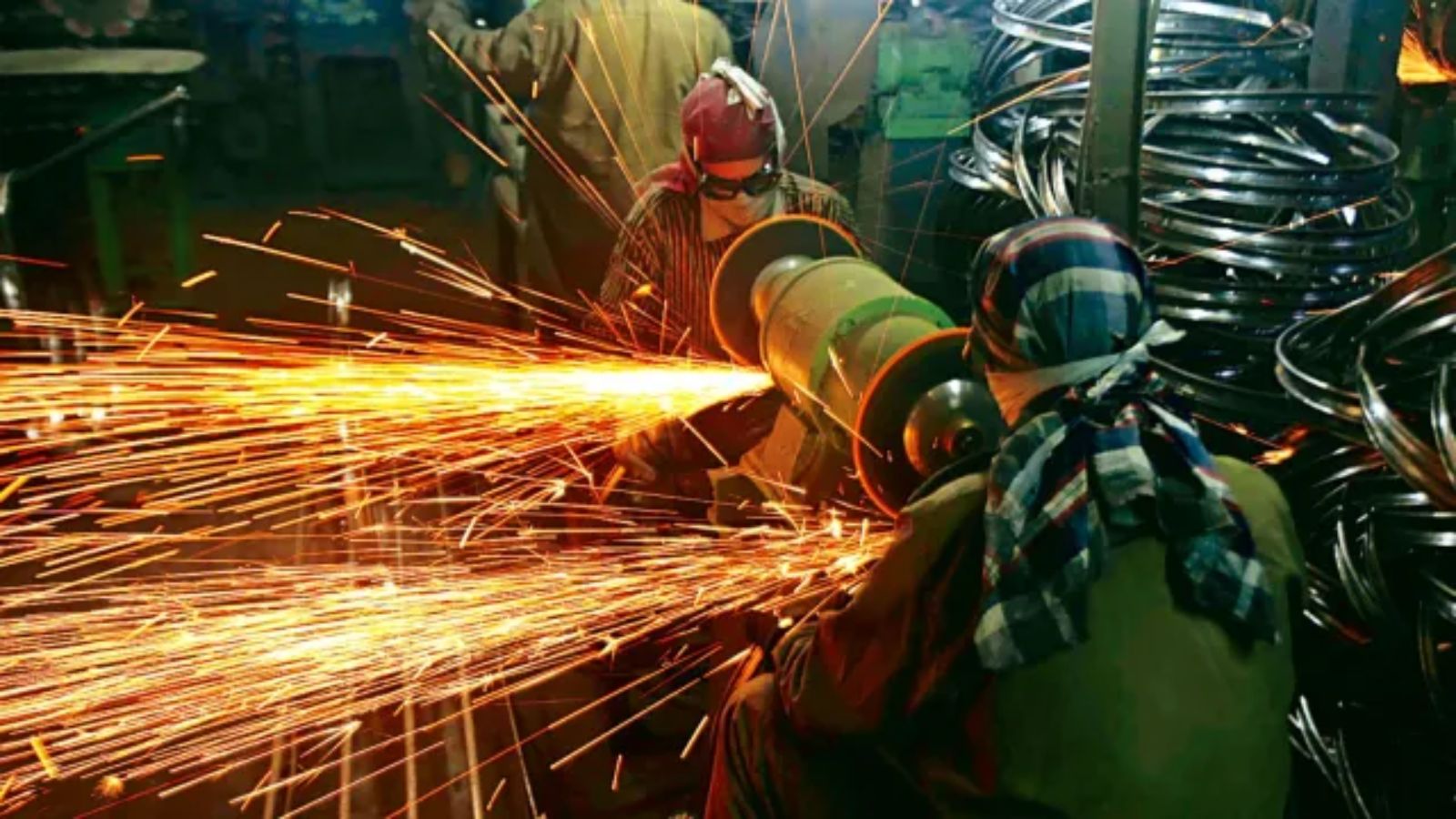
'Maharashtra Will Remain Number One Forever': MIDC CEO Deepender Kushwaha On Investment, Land And Infrastructure
Mumbai: The Maharashtra Industrial Development Corporation (MIDC) will play an important role in achieving the state's target of India's first $1 trillion economy, says Deepender Kushwaha, the Chief Executive Officer (CEO). In an exclusive interview with The Free Press Journal the IAS official chalked a road map of the state's industrial growth for the next decade. Excerpts... You took charge at…
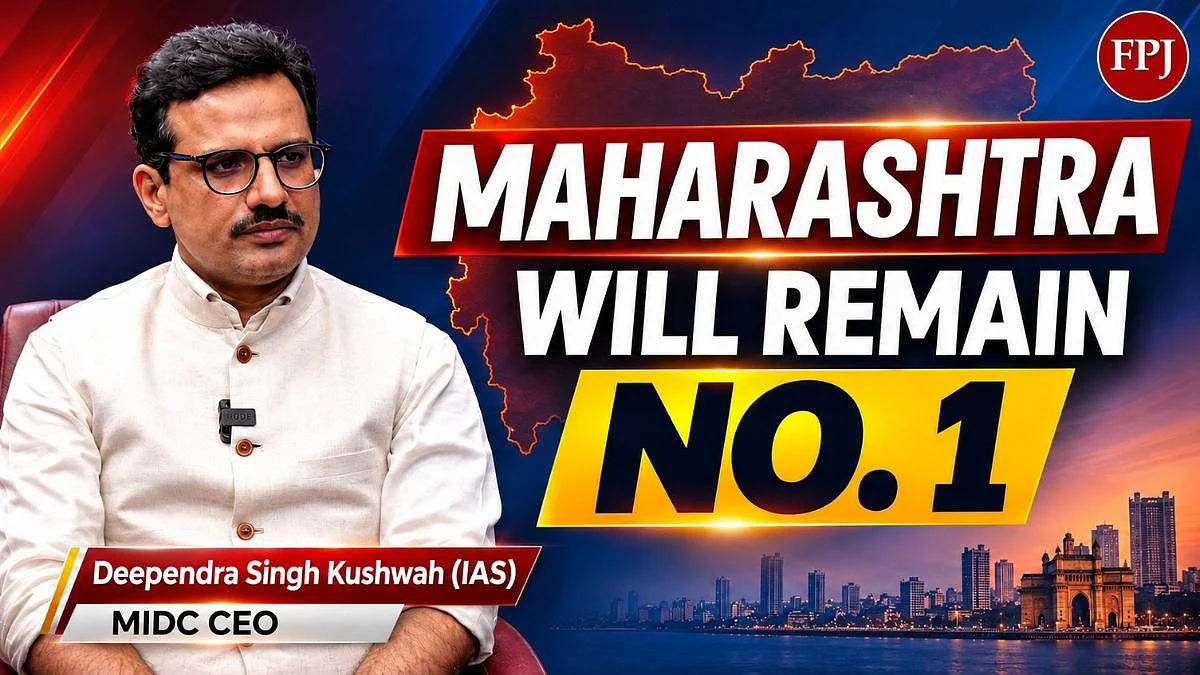
The Maharashtra Industrial Development Corporation (MIDC) CEO, Deepender Kushwaha, believes the state is well-positioned to become India's first $1 trillion economy. In an interview with The Free Press Journal, Kushwaha discussed the challenges and reforms he has implemented to drive industrial growth in Maharashtra over the next decade.
Kushwaha stated that Maharashtra is already strong in many areas, such as its policy, infrastructure, rail, road, international flights, cargo, and ports. The state has over 300 industrial parks, which have enabled it to attract many investors. However, two main challenges remain: securing land and ensuring ease of doing business.
While Kushwaha acknowledged that Maharashtra does not offer the cheapest land in the country, he emphasized that the affordability is balanced by the overall financial viability of setting up a factory. To improve transparency in approvals, the state introduced a single-window law in 2023, listing services, defining timelines, and naming authorities. Online applications and real-time updates to authorities have been implemented, reducing delays in project approvals.
The land allotment process has also been made fully online and transparent, with the addition of AI for decision-making and data analysis. Kushwaha explained that the gap between allocated and executed projects is due to the lengthy investment window, which typically spans five to seven years, sometimes up to ten years. Factors like land acquisition, allotment, and permission taking one to two years, followed by at least two to three years for factory setup, contribute to this delay.
Looking ahead, Kushwaha explained that there will be ample land for future expansion from more than 300 parks across about two lakh acres. New land is being acquired in various regions, including Chandrapur, Amravati, Chhatrapati Sambhaji Nagar, Palghar, Ratnagiri, Nashik, and others, based on industry demand. The state is also building sector-specific parks, such as for critical minerals and data centers, with collaboration from the Government of India. Some parks offer plug-and-play facilities, catering to industrialists' needs.
Kushwaha acknowledged the need for infrastructure improvements in older industrial areas and the challenges posed by inadequate infrastructure and pollution. He noted that many areas were planned for demand 20 to 30 years ago and now require wider roads, better drainage, water supply, and electricity. Trucks have become larger and heavier, necessitating concrete roads in some cases. The corporation is redesigning infrastructure for new townships, planning for 30 to 40 years of demand.
Mumbai's recent infrastructure developments, such as Atal Setu and the Navi Mumbai airport, have attracted significant investment, particularly in data centers, IT, and services. Kushwaha highlighted that these projects have positioned Mumbai as a strong magnet for investment in these sectors.
Despite some vacant allotted plots, Kushwaha assured that alloted plots are generally given a two to five-year period to develop. Non-utilization fees are charged if the delay is unjustified, and plots are taken back and reallotted if necessary. For closed units, the corporation is exploring alternative solutions.
Regarding future sectoral focus, Kushwaha emphasized that Maharashtra should continue to diversify its strengths across various regions. Pune will continue to lead in automobiles, solar cells, and defense, while Mumbai will maintain its position as a hub for data centers, IT, and fintech. Chandrapur will focus on coal gasification and green manufacturing, Chhatrapati Sambhaji Nagar on multi-sector development with major automaker plants, Nashik on engineering, electrical, defense, and agriculture, and Ratnagiri along the coast on shipbuilding and marine industries. Vadhavan is set to become the country's next largest port.
Kushwaha concluded by reiterating that Maharashtra is and will remain number one, not just for the next ten years but forever. The state's investments, economy, employment, infrastructure, and policy demonstrate its enduring potential. He also expressed a desire to inspire other states to follow Maharashtra's lead in industrial growth and development.
Written by urgent.news from Free Press Journal's reporting — not their text. Machine-written — may contain errors; check the original before relying on it.