Madagascar flying fox skulls 6% smaller than before 1980s, study finds
Studies show that the skulls of Malagasy flying foxes have become about six percent smaller over the past few decades. This reduction in size is likely attributed to factors such as commercial hunting and habitat loss due to deforestation. The decrease in larger individuals poses a threat to their reproductive success and population recovery.
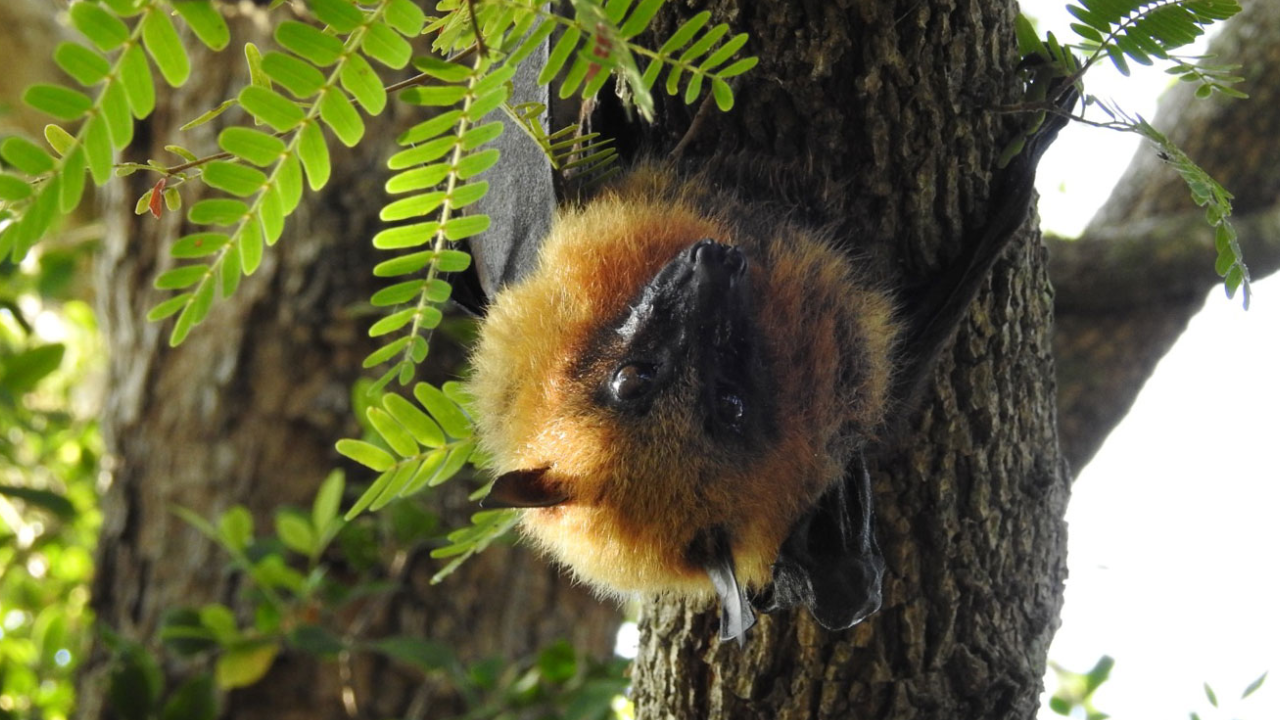
A recent study has revealed that the skulls of Madagascar's largest bat species, the Malagasy flying fox, have become approximately 6 per cent smaller over the past four decades. Published in the Journal of Mammalogy on October 29, 2026, the findings suggest that this decline in body size may be linked to increased hunting pressure.
The research, led by Emily Cornelius Ruhs and Steven Goodman of Chicago's Field Museum, analyzed 121 preserved specimens from nine natural history museums across the United States and Europe. These specimens represented more than 150 years of the species' history and provided measurements of 12 different skull and tooth features.
The team found that skulls collected before the 1980s were on average 3.6 millimeters longer than those collected in later decades, representing a 6 per cent decrease in size. It is believed that the timing of this physical change coincides with a shift from small-scale, family-based hunting to a more commercialized practice, where larger bats became more attractive targets due to the amount of meat they provided.
While hunting is suspected to be the primary cause of the size reduction, deforestation, changing climatic conditions and shifts in fruit availability are also possible contributors. The study underscores the importance of museum collections in understanding long-term changes in wildlife populations and highlights the need for stronger protection measures to safeguard the Malagasy flying fox and its role in maintaining Madagascar's biodiversity.
Written by urgent.news from Times of India's reporting — not their text. Machine-written — may contain errors; check the original before relying on it.