Look up! The Leonid meteor shower is coming
With up to 15 meteors an hour possibly visible around Nov 17-18, Malaysians willing to stay up late could have a particularly good view after the moon sets.
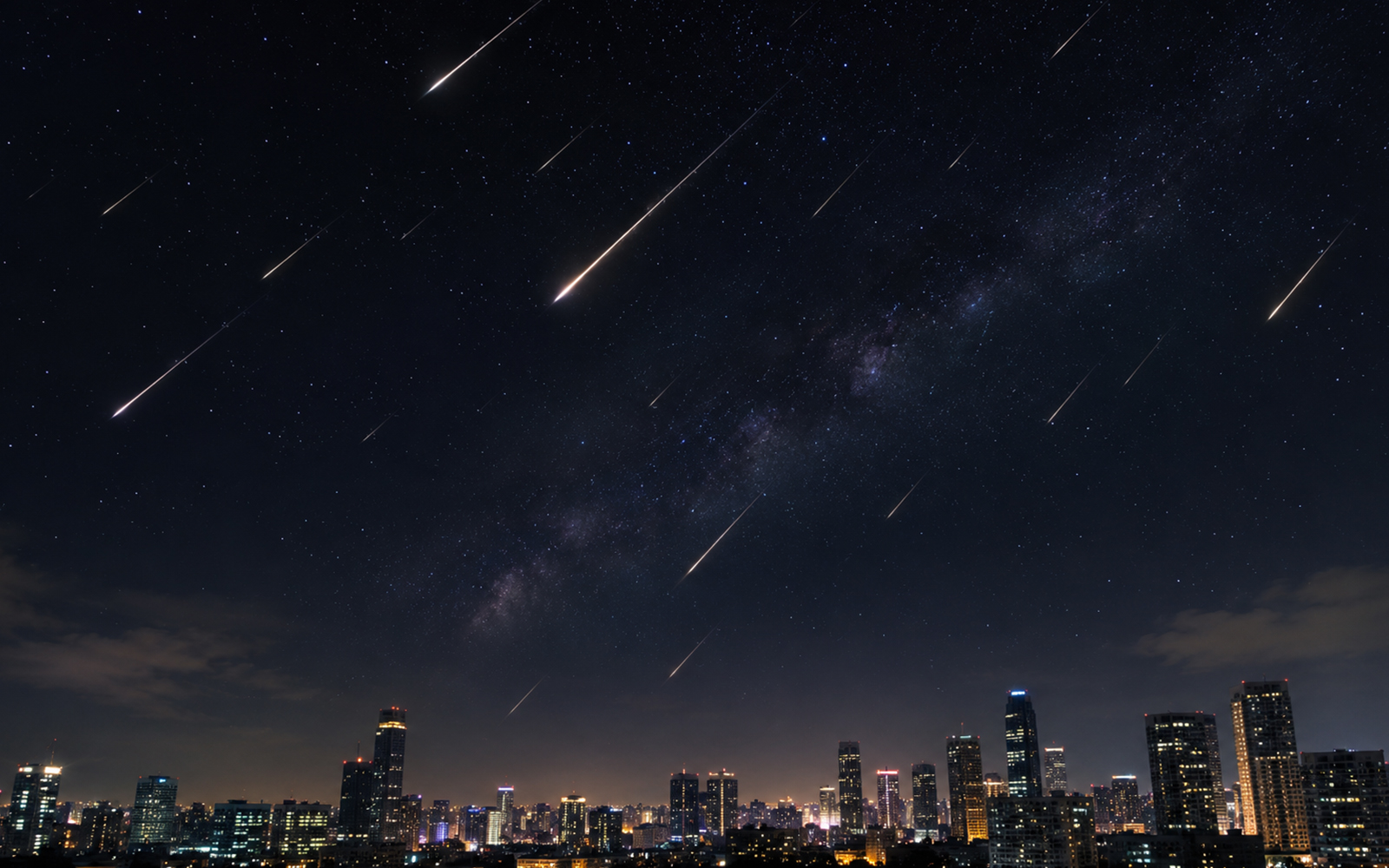
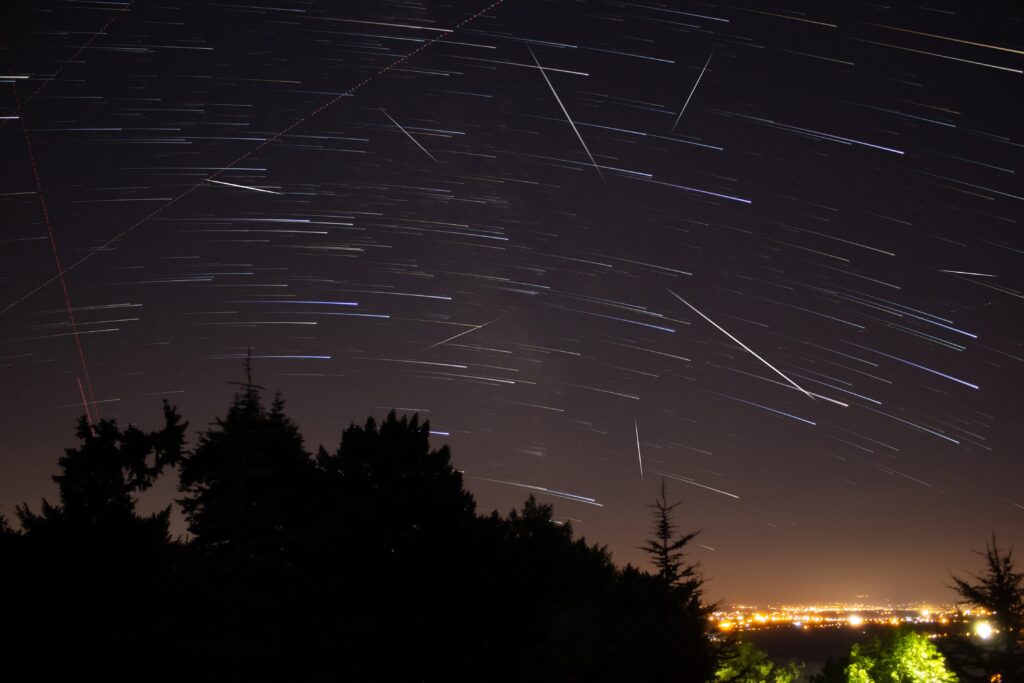
The Leonid meteor shower is set to grace the night sky over Malaysia this month, offering a celestial spectacle for those willing to venture away from the city lights. According to the Malaysian Space Agency (Mysa), the peak of the shower is expected to occur on the night of November 17 into the early hours of November 18, with an estimated 15 meteors per hour visible under optimal conditions.
Active from November 6 to 30, the Leonid meteor shower is visible from both hemispheres, making it a global event. For skywatchers in Malaysia, this year's conditions are particularly favorable due to the moon setting at around 1:23am, leaving darker skies that will enhance the visibility of fainter meteors.
Despite the name, meteor showers have no direct connection to stars falling from the sky. Instead, the Leonids occur when Earth passes through debris left behind by comet 55P/Tempel-Tuttle, resulting in tiny particles entering the atmosphere and creating bright streaks as they burn up. The shower gets its name from the constellation Leo, from which the meteors appear to radiate, although they can streak across almost any part of the sky.
With Leonid meteors traveling at around 260,000 kilometers per hour, they can leave glowing trails that linger briefly after the meteor itself has vanished. To fully appreciate this natural phenomenon, patience and darkness are key. Stay away from streetlights, buildings, and other sources of artificial light, and give your eyes about 20 to 30 minutes to adjust to the darkness. Avoid checking your phone screen, as the brightness will hinder your ability to spot meteors.
The hours after 1:23am on November 18 should provide particularly good viewing conditions in Malaysia, although cloud cover and light pollution will ultimately determine the overall experience. It is important to note that the "15 meteors per hour" figure assumes optimal viewing conditions, and actual sightings may vary, particularly for those watching from areas like Kuala Lumpur.
If the clouds stay away, setting an alarm and finding a dark location will allow you to witness this celestial event - and remember, sacrificing a little sleep could be rewarded with a breathtaking view.
Written by urgent.news from Free Malaysia Today's reporting — not their text. Machine-written — may contain errors; check the original before relying on it.
This story
This is one outlet's version. Read the fullest account.
- Leonid meteor shower returns to Spain with its best display of shooting stars euroweeklynews.com
- Look up! The Leonid meteor shower is coming freemalaysiatoday.com