Linux file permissions confused me for years until I realized they're just answering three questions
Now I answer questions instead of memorizing numbers.
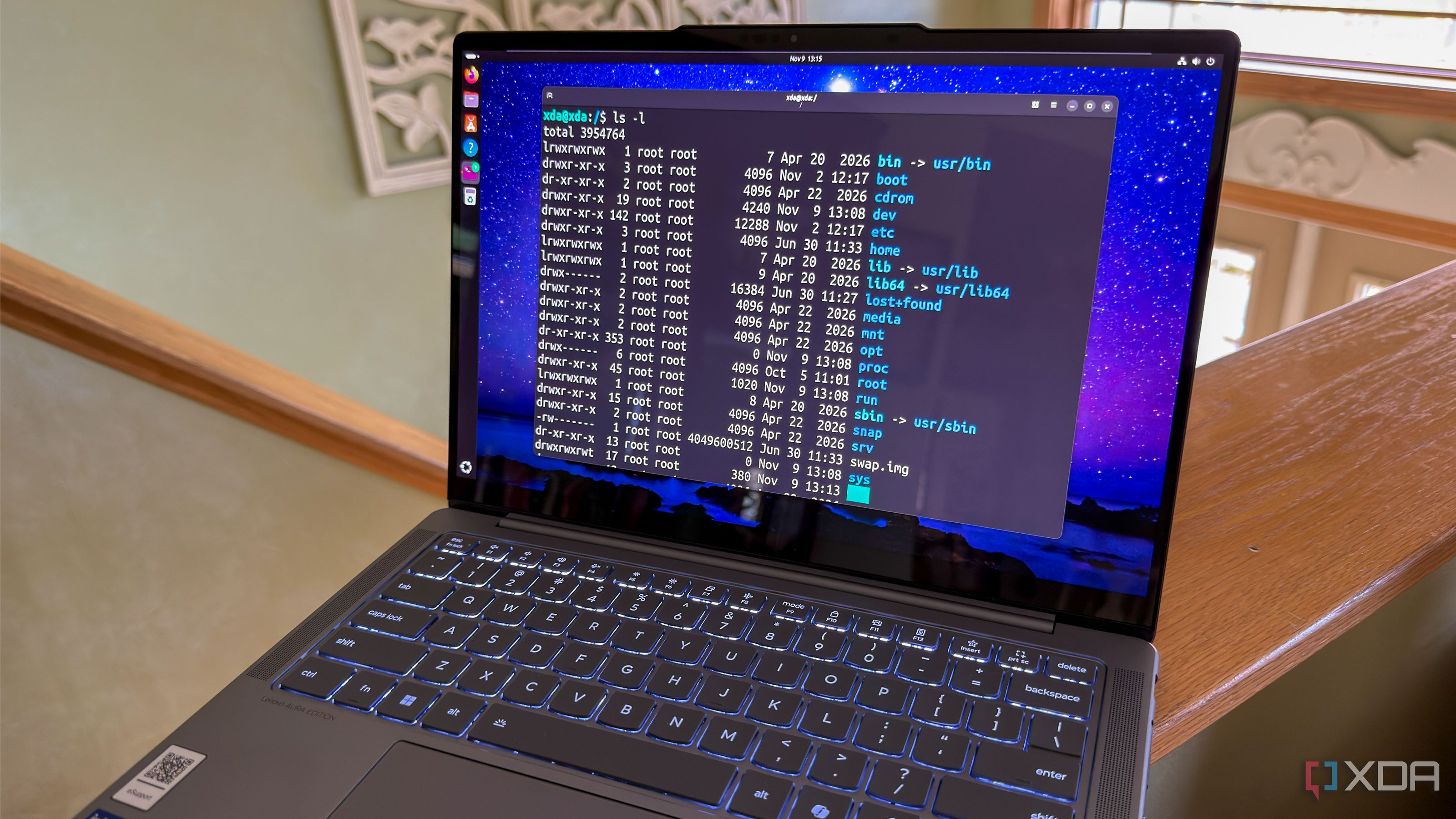
When I first encountered Linux file permissions, I was baffled by the seemingly random numeric and symbolic codes. It wasn't until I realized they were simply answering three key questions that the concept clicked for me: who is requesting access, what action they want to perform, and what file or directory they are trying to operate on. This mental model made understanding and troubleshooting permissions much simpler.
Using the command `ls -l`, I learned to check permissions by examining the first character (indicating file type), followed by nine characters split into three groups of three. The first three characters represent the owner's permissions, the next three the group's permissions, and the final three the permissions for other users. For example, `rwxrw-r--` means the owner can read, write, and execute, while the group can read and write but not execute, and others can only read.
The most specific permissions always apply. For instance, if a user has read permissions through their own group, but the group has write permissions, attempting to write will still be denied due to the more specific permission.
Directories follow the same rules, with `r` granting the ability to view file names, `w` allowing for renaming, creating, or deleting files, and `x` permitting execution of contained files if they have execute permissions themselves. However, for a directory to allow execution, its permissions must also include the execute privilege.
Permissions can also be represented numerically, with read equating to 4, write to 2, and execute to 1. By adding these values together, one can quickly translate symbolic notation into a numeric code. This numerical representation can provide a faster, albeit less intuitive, way to understand file permissions.
While the basics of Linux permissions have been covered, there are additional concepts like setuid, the sticky bit, ACLs, umask, and SELinux that build upon the three fundamental questions. However, grasping the core principles of who, what, and what to do first lays a solid foundation for comprehending more complex permission settings.
Written by urgent.news from XDA Developers's reporting — not their text. Machine-written — may contain errors; check the original before relying on it.