Learn from Indonesia, tighten export monitoring to stop under-invoicing, say industry players
KUALA LUMPUR, Nov 14 — Stricter monitoring of commodity exports is needed to curb under-invoicing, a practic...
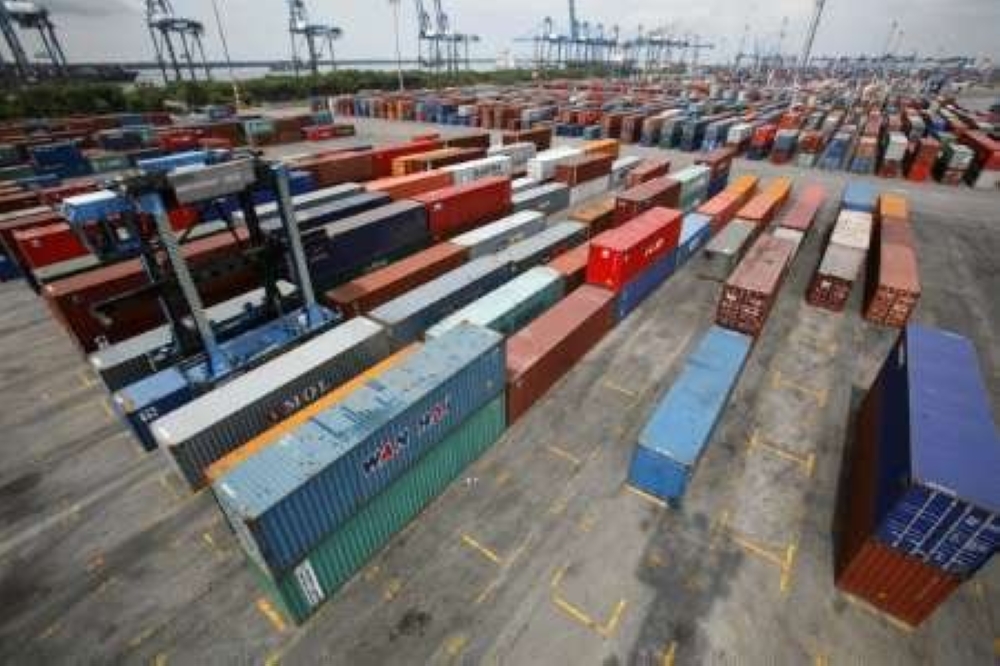
Malaysia's maritime industry players have urged the government to tighten export monitoring to prevent under-invoicing, a practice that can lead to significant losses in government revenue. Indonesia's recent establishment of a centralized agency, Danantara Sumberdaya Indonesia, to oversee major commodity exports, including coal, palm oil, and ferroalloys, is seen as a model for Malaysia to follow.
The agency, operated by the country's sovereign wealth fund, will initially monitor exports valued at around US$60 billion, with plans to charge a single-digit US dollar service fee per tonne. The agency is set to begin full operations in January 2027.
Datuk Seri R. Jeyenderan, CEO of Maritime Network Sdn Bhd, noted that while Malaysia already possesses electronic systems and government agencies for monitoring export declarations, permits, and supporting documents, the real challenge lies in ensuring seamless information sharing and cross-checking between agencies. He emphasized that discrepancies between declared values and quantities and the actual cargo shipments can impact government revenue, create unfair competition, and undermine public confidence in Malaysia's commodity trade.
Jeyenderan suggested that Malaysia should evaluate the potential benefits of integrating its existing systems to better track export information, from the moment goods are declared and loaded onto vessels until they reach their destination. This integration would be particularly crucial for commodities like palm oil and petroleum, which involve extensive transportation and numerous stakeholders.
Maritime analyst and scholar Nazery Khalid agreed that while multiple agencies are involved in the export monitoring process, it is essential for them to break down institutional silos and collaborate more effectively. He stressed the importance of digital technology in facilitating data sharing and visibility across supply chains, enabling better-informed decision-making and strengthening oversight of commodity exports.
Khalid also highlighted the potential benefits of improved coordination, including the prevention of revenue leakages, such as unpaid taxes and unaccounted foreign exchange outflows, as well as the mitigation of public health risks associated with misdeclaration of commingled cargo, like blended palm oil.
Written by urgent.news from Malay Mail's reporting — not their text. Machine-written — may contain errors; check the original before relying on it.
This story
This is one outlet's version. Read the fullest account.