Kremlin’s foreign asset seizure could backfire
The last few months have witnessed the biggest wave of Western companies in Russia being placed under what the Kremlin calls “temporary external administration”.
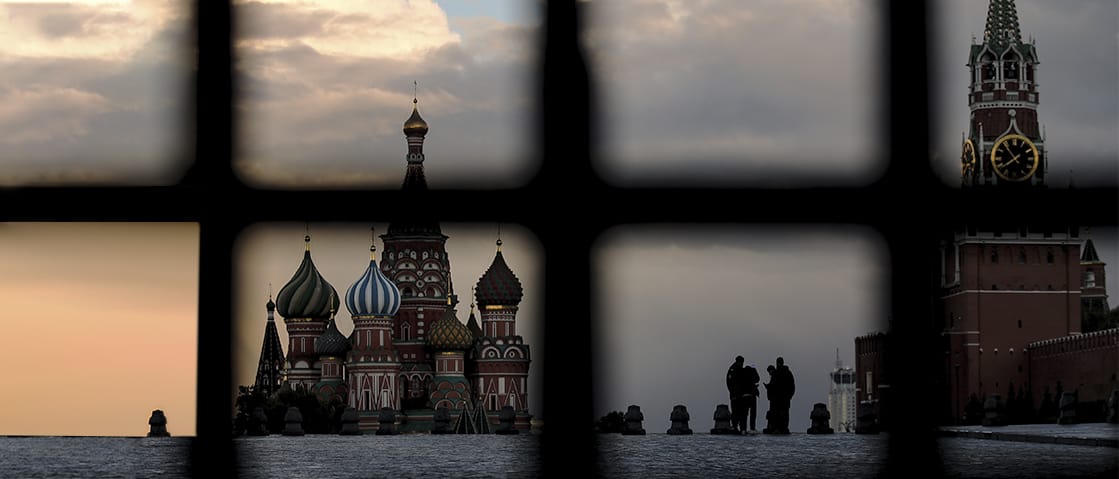
This week's analysis, penned by Senior Economist Vasily Astrov of the Vienna Institute for International Economic Studies, delves into Russia's escalating campaign of seizing foreign companies and examines potential consequences. The Kremlin's actions have sparked a notable shift in policy, marking a stark departure from the previous approach of encouraging foreign firms to remain.
Since September, five of the 20 largest foreign companies still operating within Russia have been subjected to "temporary external administration" by the Kremlin. Collectively, these entities contribute to nearly one-third of the total revenue generated by the top 20 foreign companies in Russia. While this strategy might appear to empower Moscow in the event that the freezing of foreign reserves in Europe is lifted, it could ultimately backfire.
By diminishing the pool of assets available for potential seizure in retaliation, the Kremlin may be less inclined to pursue such measures. Consequently, the decision to employ this tactic may hinge on the availability of assets within Russia to seize, thereby shaping the delicate balance of power between Russia and Europe.
Written by urgent.news from The Bell's reporting — not their text. Machine-written — may contain errors; check the original before relying on it.