Is your child being bullied at school? Warning signs UAE parents should look out for
Not all children who are bullied show physical injuries. Some may become quieter, avoid friends, or suddenly not want to go to school. UAE educators say parents should watch for these signs as Dubai introduces new measures to protect pupils . Bullying can show up as repeated name-calling, being left out of groups, or hurtful messages on social media. Children often do not tell parents or teachers…
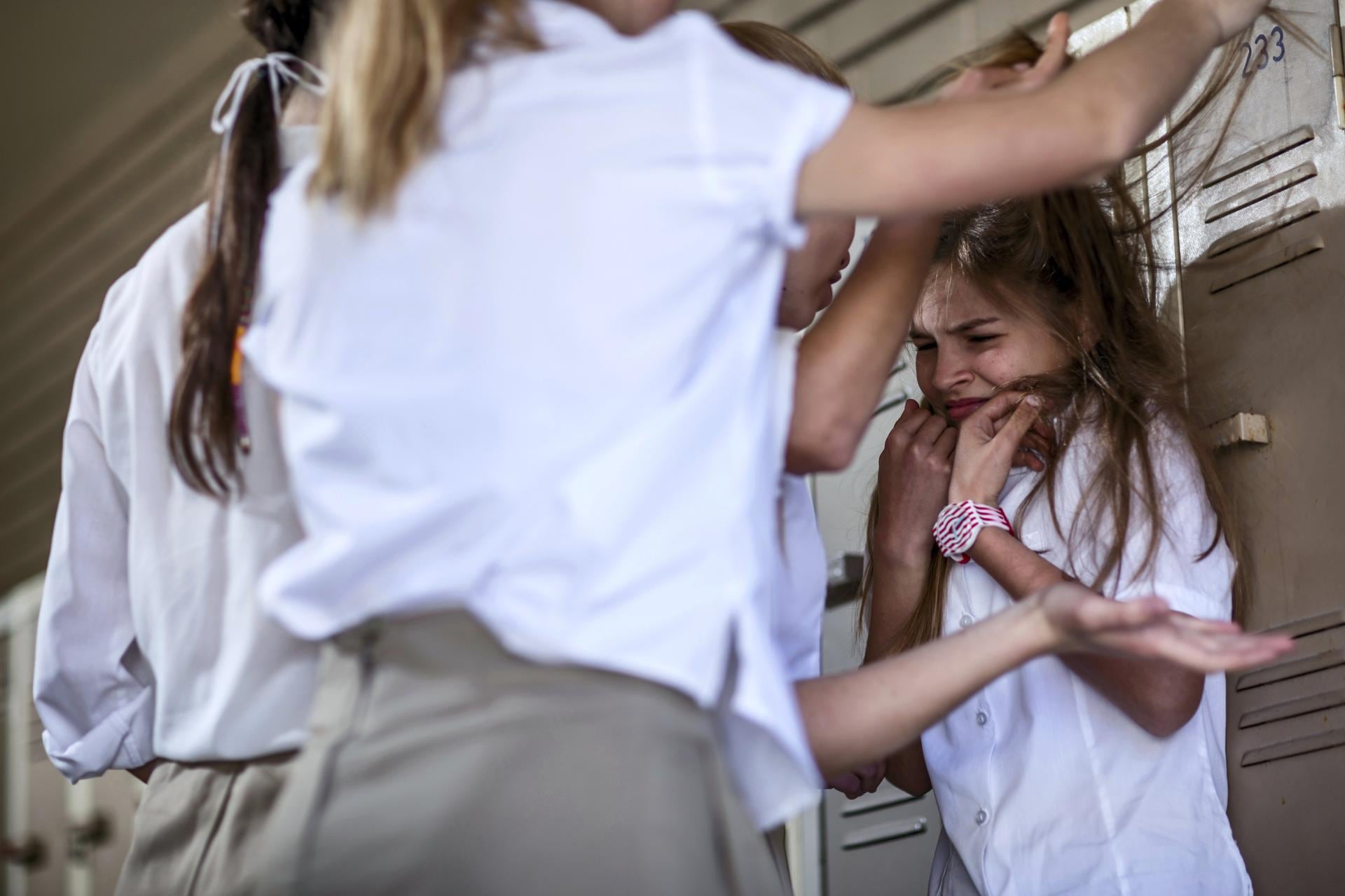
Many children who experience bullying do not show obvious physical signs of injury. Instead, they may become more withdrawn, start avoiding friends, or suddenly refuse to go to school. UAE educators are urging parents to be alert for these subtle indicators, as Dubai prepares to implement new anti-bullying measures.
Bullying can manifest in various ways, such as persistent name-calling, being intentionally excluded from activities, or receiving hurtful messages online. Unfortunately, children often refrain from informing parents or teachers due to fear that speaking out will exacerbate the situation. A 2025 survey of 629 UAE students in Grades 6 to 8 revealed that 73% of those who were bullied did not confide in anyone.
Only 41% knew how to report bullying at school, and 49% were unaware if their school had designated personnel to address bullying issues.
These statistics illustrate the challenges schools and families face in identifying and assisting children who are silently enduring bullying. New safeguards are being introduced to protect pupils. The Knowledge and Human Development Authority (KHDA) is requiring private education institutions to establish clear procedures for reporting and managing bullying and other safety concerns.
The rules cover students up to the age of 21, including those attending online classes. Schools must designate safeguarding leads, train staff, and maintain records of reported incidents until they are resolved.
The KHDA has also issued a guide to assist parents in understanding how concerns are handled and what to expect when reporting them. May Zalat, inclusion director at Kids First Group, advises parents to watch for behavioral changes, particularly if a child who once enjoyed school suddenly becomes reluctant to attend, withdraws from friends, or appears distressed after using their phone.
Ed Staton, principal of Gems Metropole School in Motor City, suggests also looking out for unexplained injuries, lost belongings, changes in appetite, or declining academic performance. He emphasizes that these signs may not definitively indicate bullying but warrant a conversation.
Richard Drew, principal of Jumeira Baccalaureate School, notes that students often face issues such as friendship problems, exclusion, derogatory remarks, and misuse of social media. Parents should distinguish between ordinary disagreements and bullying, which typically involves repeated harmful behavior and an imbalance of power. May Zalat stresses that repeated exclusion, ridicule, or feeling different should not be dismissed merely because there is no physical aggression involved.
Ed Staton points out that children are often hesitant to speak up, fearing that informing an adult could worsen the situation or jeopardize their friendships. Schools must ensure children feel comfortable sharing their concerns and trust that adults will listen and respond appropriately. Zalat cautions parents against reacting harshly when children disclose difficult experiences, even if the issue seems minor initially.
She also warns against dismissing bullying among boys by stating that "boys will be boys" or by advising them to fight back. According to her, boys need permission to express fear, sadness, and vulnerability, just as girls do. Physical aggression involving girls and emotional bullying involving boys should both be recognized and addressed.
Cyberbullying is a growing concern, as bullying can extend beyond school hours through messaging apps and online groups. Drew explains that inappropriate behavior and hurtful messages between pupils can continue after school. Staton emphasizes that this can leave children feeling like they have no safe haven. He advises parents to show interest in their children's online friendships, much like they would inquire about their school day.
Regular conversations about their online interactions can encourage them to share concerns if something goes awry.
Educators warn against relying on AI chatbots for help with bullying. Zalat stresses that children experiencing bullying need an adult who can take action in their real life, not just an online solution that cannot provide the necessary protection and follow-up. Parents should save screenshots or copies of messages if the bullying occurs online to aid the school's investigation.
Keeping detailed notes on what the child shares and inquiring about the school's proposed steps for resolution is recommended. Parents should also maintain open communication with their children, even after the school has intervened. Staton reminds parents that one conversation or a single meeting with the school does not guarantee that the problem is fully resolved.
Schools should focus on implementing comprehensive measures to address and prevent bullying, rather than merely tallying the number of complaints received.
Written by urgent.news from The National Business's reporting — not their text. Machine-written — may contain errors; check the original before relying on it.