Is your car tracking your location? Here's how to check and opt out
Modern cars are great for farming user data, and big tech companies know it. It's important to know how this information is collected and how to opt out.
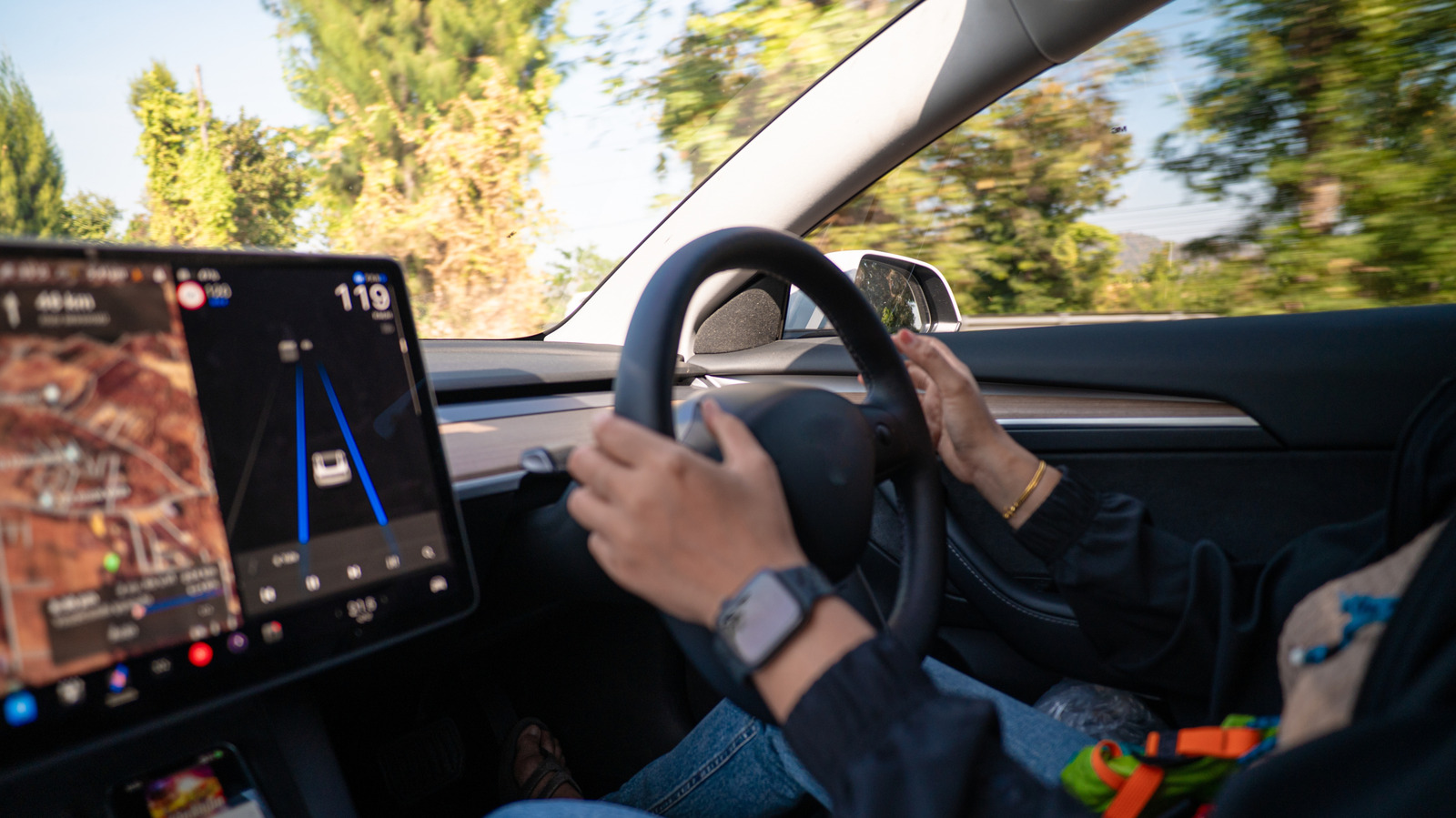
Cars have transformed into data-collecting machines, often without drivers' knowledge or consent. Modern vehicles use GPS, connected services, telematics, and manufacturer apps to gather location data, which is then shared with insurers, marketers, and data brokers. The extent of data collection varies by car make, model, and year, depending on the available sensors.
To limit the amount of personal information your car collects, avoid pairing your phone, which grants access to contacts, call logs, and other sensitive data. Many features, such as Android Auto and CarPlay, rely on this connectivity, which may be sacrificed when opting out. The Mozilla Foundation has ranked cars as the most privacy-concerning product category, citing the extensive data collection by automakers.
This data can affect insurance rates, as it could reveal hard braking or near-accidents to your insurer. The Federal Trade Commission (FTC) has even taken action against General Motors for violating privacy commitments by sharing driver location data. To discover the data your car collects, use services like Privacy4Cars with your VIN, review the automaker's privacy policy or connected-services terms, and check your vehicle's manual or settings.
Opt-out options vary by manufacturer, with some offering all-or-nothing switches and others providing more granular control. Disabling tracking may result in the loss of certain features, such as roadside assistance or remote start. If selling or trading your vehicle, perform a factory reset to erase data, remove your account and vehicle from the manufacturer's app, and notify the manufacturer of the ownership change.
Written by urgent.news from Engadget's reporting — not their text. Machine-written — may contain errors; check the original before relying on it.