Interest rate rises likely in coming months, Bank of England’s chief economist says
‘We have further to go,’ says Huw Pill after increase to 4% last month as Bank seeks to tackle rising inflation The Bank of England will probably need to raise interest rates next month and again in early 2027 to combat rising inflation, its chief economist has said. Signalling a sharp rise in mortgage payments for an estimated 2.3 million homeowners who will have to refinance their loans next…
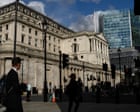
Chief economist Huw Pill of the Bank of England has indicated that additional interest rate hikes are likely in the months ahead to combat rising inflation. Following a recent rate hike to 4% earlier this month, Pill stated that the Bank needs to go further to achieve its monetary policy objectives. The decision to raise rates from 3.75% to 4% is a significant step, but Pill emphasized that more action is required.
He told the Financial Times that further interest rate increases are expected to emerge, depending on the evidence supporting the need. The chief economist attributed the UK economy's recent strength to growing wages, which has empowered workers to drive up prices. Inflation is projected to reach 5% in the spring of next year due to high oil and gas prices resulting from the Iran conflict.
Pill anticipated substantial pay increases from public and private sector workers, which might sustain high inflation levels for an extended period. He voiced concerns about the central bank's delayed action in tackling inflation, stating that they waited too long. Despite not finding evidence of wage increases or companies passing on higher costs to consumers, Pill believed the absence of evidence does not negate the possibility of such effects.
The Bank's monetary policy committee (MPC) is expected to consider UK interest rates near 5% in 2027, a level that Pill deems not outrageous, hinting that he could advocate for more substantial rate hikes during future MPC meetings. City analysts interpreted the hawkish remarks of Pill and other MPC members as making an interest rate increase in December almost certain.
However, opinions vary on the economy's strength, with some worried that further rate hikes could negatively impact the manufacturing sector and construction industry, which have struggled throughout the year. Households are also expected to reduce spending in the new year when the energy price cap rises to nearly £2,000 for an average home and council tax bills increase by nearly 5%.
Written by urgent.news from Guardian Business's reporting — not their text. Machine-written — may contain errors; check the original before relying on it.