Indigenous students retrace Lewis and Clark’s historic journey: ‘We can’t protect what we cannot see’
Two centuries after the expedition, Indigenous students are conducting a new wildlife survey along the route In 1804, when Thomas Jefferson dispatched Meriwether Lewis and William Clark and their Corps of Discovery to explore the newly acquired land west of the Mississippi, the president’s primary aim was political: Americans needed to establish presence, power and trade routes in these…
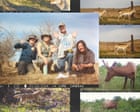
Two centuries after the Lewis and Clark expedition, Indigenous students are retracing their historic journey and conducting a wildlife survey along the route. In 1804, President Thomas Jefferson dispatched Meriwether Lewis and William Clark to explore the newly-acquired western territories, with the goal of establishing American presence and power.
However, Jefferson, an ardent naturalist, also wanted the expedition to survey the flora and fauna of these landscapes. Lewis and Clark meticulously recorded encounters with animals and plants such as bison, prairie dogs, and wild licorice. These observations helped shape an early understanding of North American biodiversity, knowledge that Native Americans already possessed.
Many Native Americans view the expedition as an invasion, marking the beginning of forced removal and relocation. Dan Buresh, an environmental science professor at Sitting Bull College on the Standing Rock Sioux reservation, has mixed emotions about the resurvey. While he acknowledges the negative feelings around the history, he sees value in having Indigenous students participate in the contemporary survey.
The Smithsonian National Zoo and Conservation Biology Institute prioritized Native participation this time around, enlisting tribal colleges and offering stipends to volunteer interns. For Buresh, Tamiera Garter, and Precious Yellow Fat, the experience has been revelatory. The students have learned to identify birds, harvested quills for regalia and earrings, and explored sacred sites.
They have also noticed stark ecological differences between the Grand River and Cannonball River watersheds on the reservation. By gathering modern data, the students hope to confirm or update traditional ecological knowledge held by their elders and contribute to the protection of their community's sovereignty.
Written by urgent.news from The Guardian US's reporting — not their text. Machine-written — may contain errors; check the original before relying on it.