In Bizarre Experiment, Scientists Put Subjects in Dark Room With a Large Mirror and Instructed Them to Think of the Dead
Spooky stuff. The post In Bizarre Experiment, Scientists Put Subjects in Dark Room With a Large Mirror and Instructed Them to Think of the Dead appeared first on Futurism .
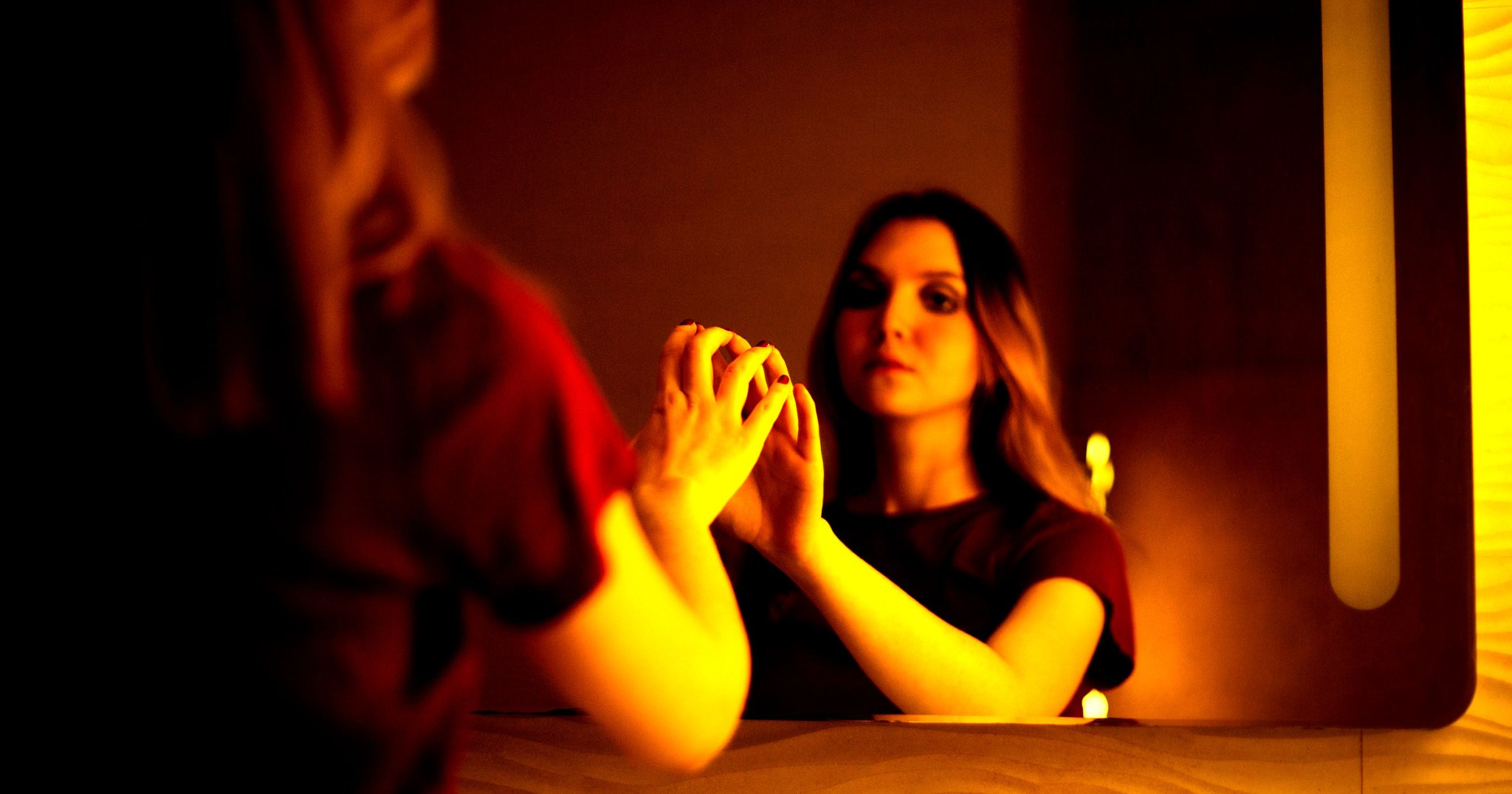
In a bizarre experiment, researchers sought to understand how rituals for communing with the dead impact the mind, and how the brain's wiring influences the perception of these experiences as real. The study, published in the Journal of Anomalous Experience and Cognition, involved placing participants in a dark room with a large mirror for nearly an hour. Known as a psychomanteum, the setup provided an empty canvas for ghostly forms to appear.
Thirty individuals took part in the experiment, with half reporting previous experiences of ghost encounters and the other half possessing synesthesia, a condition where brain sensory pathways are scrambled, often resulting in tasting or hearing colors. Participants were asked to think of a deceased loved one for 15 minutes before sitting in the psychomanteum for an additional 45 minutes.
Researchers monitored the participants' heart rates and checked for any environmental cues associated with paranormal activity, such as electromagnetic readings and temperature changes. Participants could also signal when they believed they sensed a presence in the room or experienced intense visual imagery. Upon leaving the dark room, participants rated the intensity of their encounters and whether they perceived them as genuine.
Interestingly, the researchers found that synesthetes did not report a higher frequency of perceived presences or more intense experiences compared to those without the condition. However, those deemed more creative, based on a pre-experiment survey, tended to report stronger experiences and vivid visual imagery. The data also revealed a correlation between geomagnetic fluctuations and the perception of ghostly experiences, but this effect was observed exclusively in synesthetes.
The study's results suggest that factors such as background, individual differences in sensory perception, and environmental elements all play a role in shaping people's supposed encounters with the supernatural.
Written by urgent.news from Futurism's reporting — not their text. Machine-written — may contain errors; check the original before relying on it.