How to Land 4,000 Planes During a Ground Stop
No planes could take off; the ones in the air still had to land.
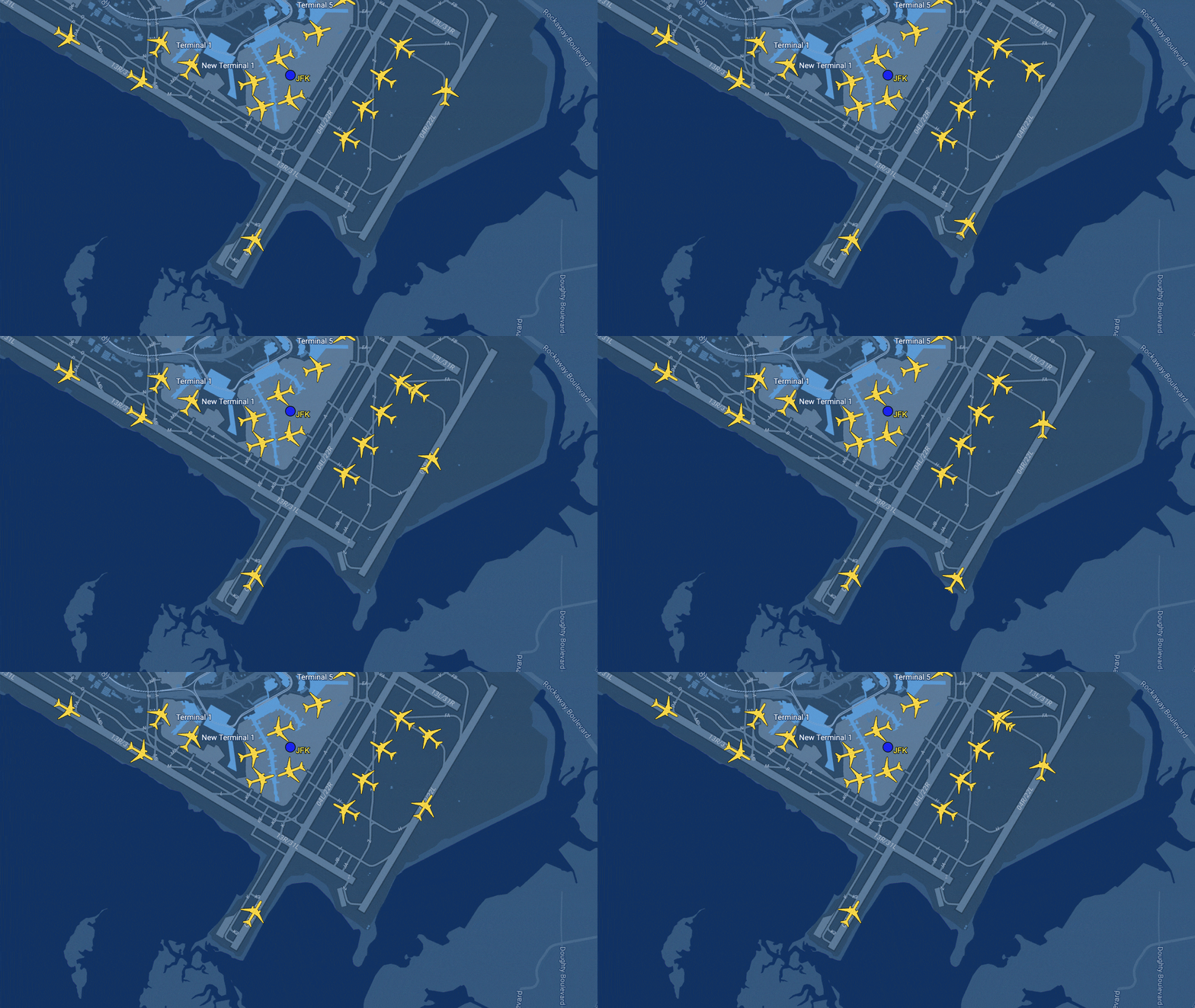
On a recent afternoon, the nation's airspace came to a standstill, with 4,000 aircraft in the sky as Federal Aviation Administration officials grounded all U.S. flights. This unprecedented grounding, prompted by "extraordinary circumstances," lasted for four and a half hours, forcing pilots to rely on backup systems to navigate their planes safely to their destinations.
Despite spotty communications, the country's sophisticated aviation system proved resilient, with pilots relying on onboard navigation to avoid collisions, and air traffic controllers adapting to the disruptions with some radio frequencies at their disposal. The ground stop ultimately affected a vast network of air traffic control centers and Terminal Radar Approach Controls, which guide planes as they approach and depart major airports.
As the skies emptied and planes landed, passengers remained stranded, scrambling for new travel plans, while ground controllers worked tirelessly to restore the air traffic system.
Written by urgent.news from The Atlantic's reporting — not their text. Machine-written — may contain errors; check the original before relying on it.