Google's Android XR smart glasses will hide faces from Gemini and ban real-time facial recognition
Faces will be blurred before they are sent to Gemini
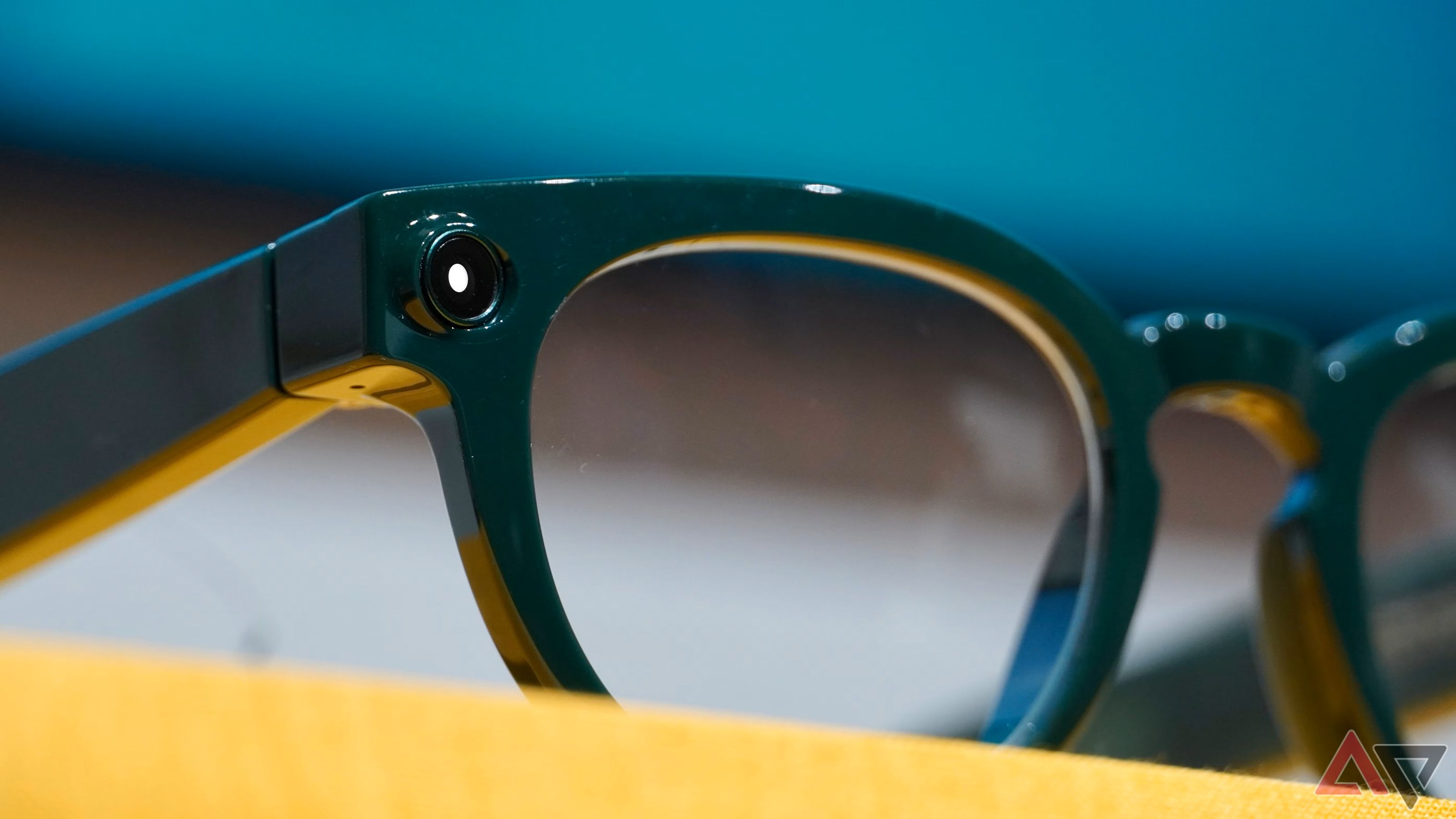
Privacy and security concerns have led Google to implement measures in their upcoming Android XR smart glasses, produced in partnership with Samsung, Warby Parker, and Gentle Monster. According to a post by Android XR Vice President and General Manager Shahram Izadi, the wearable devices will automatically blur faces before any information is sent to Google's servers for processing.
This feature activates when a user initiates a query with Google Gemini, such as asking for information about their surroundings, translating text, or identifying objects in view. If other individuals are present in the camera view, their faces will also be blurred before the image is processed. The same protection applies to the wearer, with their face being obscured if the glasses are pointed towards their face during a photo or video.
Google notes that images and videos captured for Gemini queries will not be stored in Gemini's history log, nor will they be used for AI training, ad personalization, or targeted advertising. Additionally, Play Store apps for Android XR glasses will be barred from using cameras for real-time facial recognition or live-streaming. Only native apps will have access to these features.
To further ensure privacy, Play Store apps are prohibited from disabling or tampering with the indicator light, which alerts people nearby when the glasses are recording. Each pair of glasses will also feature a physical switch that enables users to quickly turn the glasses off when not in use. However, the company has not confirmed whether the system is entirely foolproof, acknowledging the potential for rare instances in which images or videos may bypass the blurring mechanism and reach Google's servers unredacted.
While these measures address some of the privacy concerns surrounding smart glasses, as demonstrated by a Harvard student who repurposed Meta Ray-Ban smart glasses into a real-time facial recognition device, the technology still raises potential risks for spying or surveillance. Nonetheless, the safeguards put in place for Android XR smart glasses aim to alleviate many of these concerns, particularly in the wake of Meta's Ray-Ban smart glasses.
The glasses are set to begin shipping in the United States and South Korea on December 10, 2026, with pricing starting at $395.
Written by urgent.news from Android Police's reporting — not their text. Machine-written — may contain errors; check the original before relying on it.