From sugary drinks to sitting all day: Why diabetes is rising among young UAE residents
Dubai: Long hours at a desk, frequent takeaway meals, sugary drinks, and limited exercise could be putting more young UAE residents at risk of Type 2 diabetes. Doctors are increasingly seeing insulin resistance, prediabetes, and Type 2 diabetes among people in their 20s and 30s, challenging the perception that the condition mainly affects older adults. According to the International Diabetes…
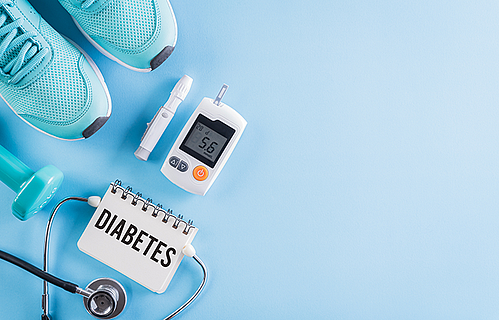
Dubai: The rise of Type 2 diabetes among younger UAE residents can be attributed to sedentary lifestyles, unhealthy eating habits, and limited physical activity. Doctors are noticing insulin resistance and prediabetes in individuals in their 20s and 30s, which contradicts the belief that the condition primarily affects older adults.
The International Diabetes Federation reports that approximately 1.27 million adults in the UAE have diabetes, representing around one-sixth of the adult population aged 20 to 79. Early detection is crucial as the condition can develop gradually without noticeable symptoms. Specialists warn that metabolic health issues, including Type 2 diabetes, are increasingly affecting younger people.
Dr. Yousef Said, medical director at Metabolic, stresses that being young or having a normal weight does not guarantee metabolic health. He recommends considering factors like waist circumference, blood pressure, cholesterol, muscle mass, and liver health when assessing overall health. Continuous glucose monitoring, using a wearable sensor, can help individuals understand their glucose patterns and make informed lifestyle choices.
Regular exercise and a balanced diet, including vegetables and whole grains, are essential for preventing diabetes. Dr. Ghaida Kaddaha, consultant endocrinology at Medcare Hospital Al Safa, advises making simple, consistent lifestyle changes such as choosing balanced meals, controlling portion sizes, reducing processed foods, and staying physically active.
Adequate sleep, stress management, and avoiding prolonged sitting are also key to maintaining long-term health. Even teenagers are at risk, as Dr. Bhanu Malhotra, specialist endocrinologist at RAK Hospital, notes. Contributing factors include increased screen time, sedentary lifestyles, stress, and smoking. Early warning signs include excessive thirst, frequent urination, unexplained weight loss, unusual tiredness, changes in eyesight, and recurrent infections.
Newer diabetes medications like GLP-1 receptor agonists and SGLT2 inhibitors offer additional benefits for cardiovascular and kidney health. Treatment should be tailored to each patient's needs, including regular glucose monitoring, healthy eating, physical activity, medication adherence, and routine medical follow-ups.
Written by urgent.news from Gulf News's reporting — not their text. Machine-written — may contain errors; check the original before relying on it.