Ets, le regole europee dovranno misurare le specificità industriali
La ceramica italiana strappa a Bruxelles una correzione attesa: le regole europee sulle emissioni dovranno tenere conto delle specificità industriali. L’intesa raggiunta nel trilogo tra Parlamento, Consiglio e Commissione Ue...
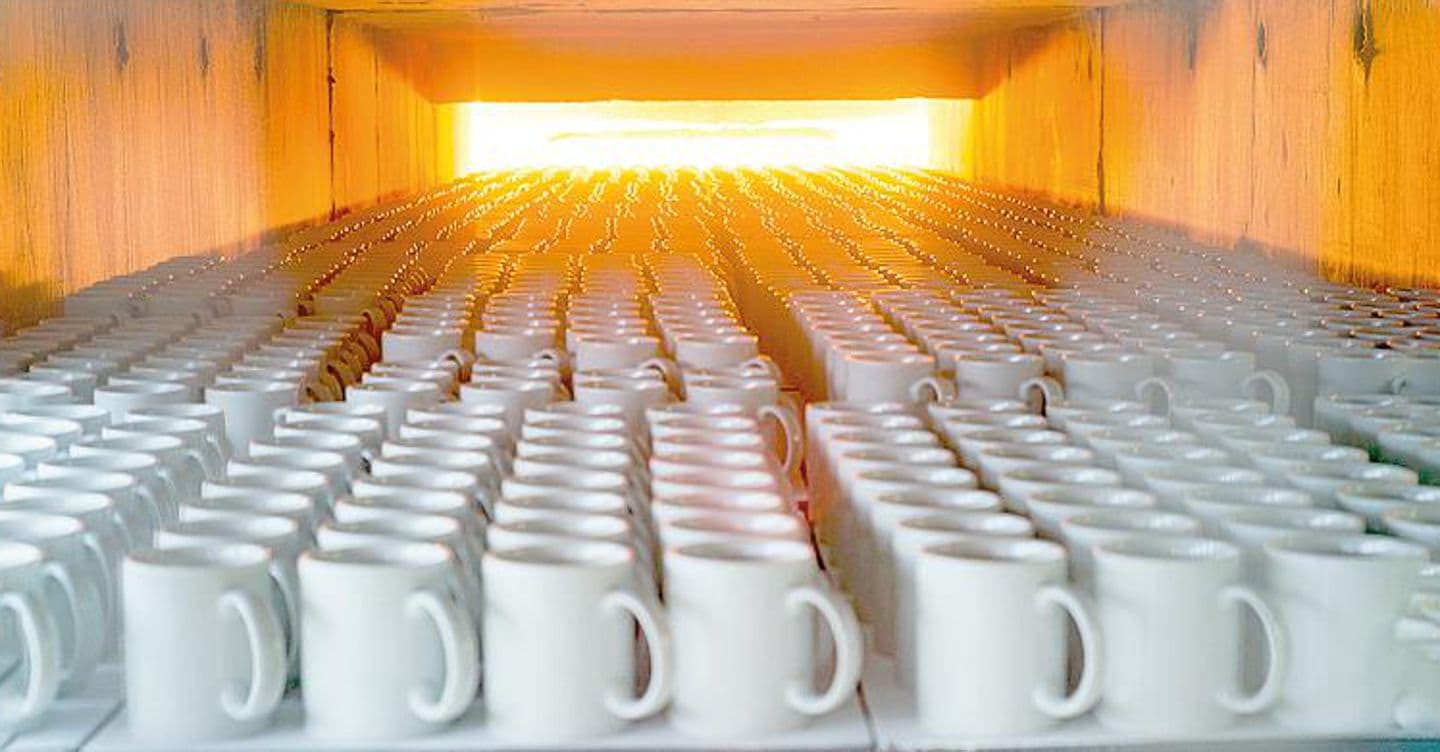
Italian ceramics defies Brussels on expected emissions regulations, seeking industrial-specific considerations. The trilogue agreement between Parliament, Council, and the EU Commission sets the stage for a specific benchmark for fuels used in ceramic production. A breakthrough for Sassuolo, where a constraint remains: natural gas, the main fuel for high-temperature furnaces, has no available alternatives.
The problem lies in Ets, the CO2 market, where companies must return a share for each ton emitted, but those exposed to international competition receive free allocations, risking relocation. Benchmarks are based on the performance of the 10% best plants, but when no reference exists for a product, common values are used for heat and fuel.
The distortion arises here: imposing the same emission cut on industries with different technologies and energy sources penalizes even the most efficient. The compromise follows a revision in values for 2026-2030, which projected large cuts in free allocations, putting pressure on budgets. The European agreement tackles two fronts: raising general parameters for heat and fuel, and introducing sectoral benchmarks for fuel, to be defined through delegated acts and consultations.
Though ceramics are not explicitly named, they are among potential beneficiaries. Parliament supported this solution on October 22 with a 474 majority, a cross-party majority. Augusto Ciarrocchi, president of Confindustria ceramics, stated that after months of work and dialogue, they finally recognized a good reason they had pursued with determination.
The result stems from collaboration with Confindustria, European institutions, the Government, the Emilia-Romagna Region, and local administrations. The agreement must be formally approved by Parliament and Council; the clock is ticking. Sectoral adaptation may be determined only in 2028, but the text provides for the recovery of 2026 and 2027 costs.
Annalisa Corrado, a eurodeputy from the PD, called the result a "historic achievement" for Italian and Spanish ceramics, extendable to other penalized sectors. The challenge now is to translate the agreement into applicable rules, with retroactive effects from January 1, 2026. For businesses, the difference will be measured in allocated quotas and avoided costs; for Europe, the ability to balance industry and climate.
Written by urgent.news from Il Sole 24 Ore's reporting — not their text. Machine-written — may contain errors; check the original before relying on it.