Esta huelga no podía ser como la de 1988. Tampoco es despreciable. ¿Qué anticipa la dura reacción del PP?
Los paros generales han ido perdiendo fuerza. Los populares cargan contra la “basura sindical”, pero no desvelan en su programa cambios laborales de calado. Otra cosa es el de Vox
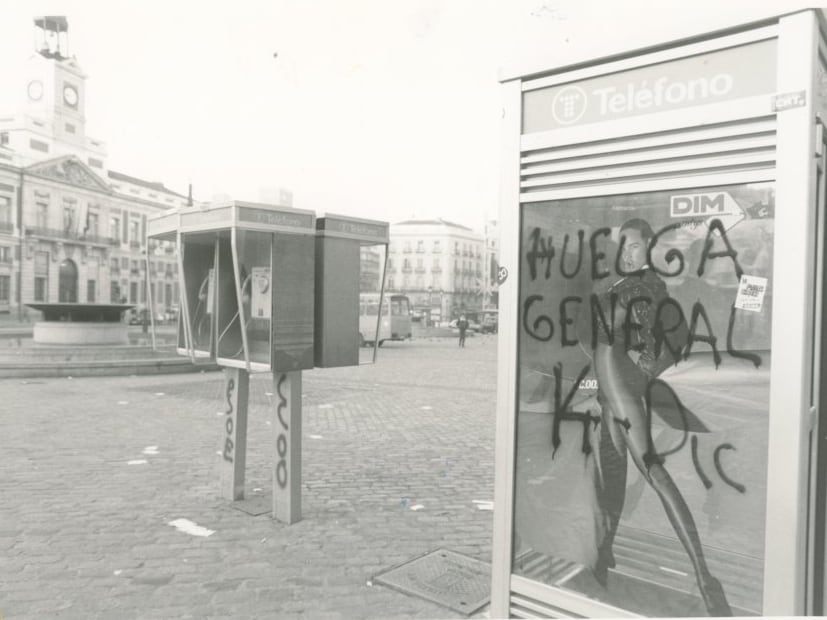
The strike that took place on Wednesday, in response to the 11-N general strike, cannot be compared to the protests of 1988. This current demonstration is far from negligible. What does the upcoming tough reaction from the People's Party (PP) foretell?
The majority of the demonstrators who participated in the 11-N general strike were not born on December 14, 1988, when the UGT and CC OO unions orchestrated a powerful demonstration to cripple Spain completely. That general strike of December 14, nearly 38 years ago, marked a significant moment in the history of social conflicts in a Spain vastly different from today.
Under the Socialist government of Felipe González, which enjoyed its second consecutive absolute majority, memories of the Transition and the 23-F coup attempt of 1981 were still fresh. Those were years of industrial reconversion and adjustment measures in the run-up to EU integration. While economic growth was notable at 5%, employment conditions were dire: the unemployment rate stood at 20%, double the present rate, and youth unemployment reached an alarming 35%.
The González government sought to address the unemployment problem with greater labor flexibility through a Youth Employment Plan that opened the door to precarious work. "Better to be precarious than unemployed," was the message.
Written by urgent.news from El Pais Economia's reporting — not their text. Machine-written — may contain errors; check the original before relying on it.