Energiepolitik: Solarförderung für kleine Anlagen soll bleiben
Für kleine Solaranlagen bis 25 Kilowatt soll die Einspeisevergütung erhalten bleiben. Doch beim Gesamtpaket zur Energiepolitik sind Union und SPD noch nicht einig.
The Union and SPD have made progress in their negotiations on the future promotion of renewable energy generation, according to a statement from SPD experts. While the coalition partners have not yet agreed on the overall energy policy package, they have reached a professional consensus on the reform of the Renewable Energy Sources Act (EEG).
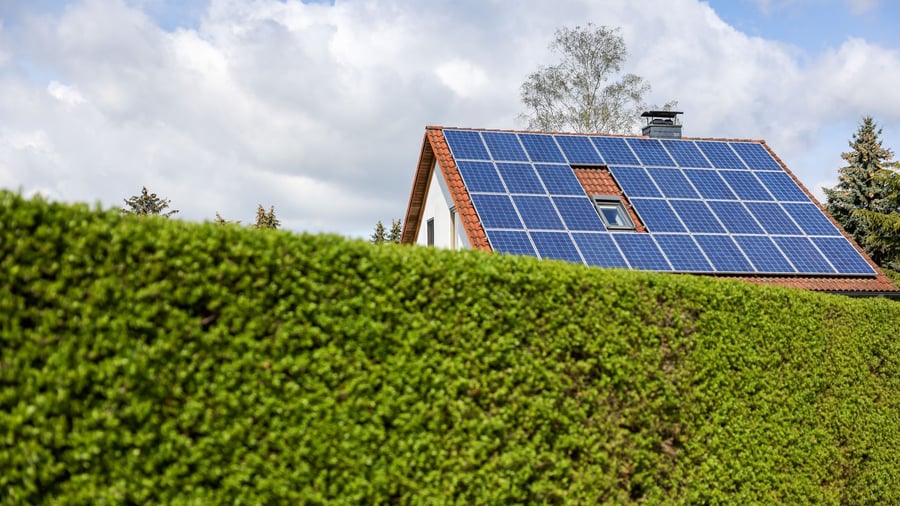
The main point of contention remains the rules for connecting new solar and wind power plants. Nina Scheer, the energy policy spokesperson for the SPD Bundestag faction, has stated in an internal dpa draft that smaller solar installations with a capacity of up to 25 kilowatts should retain the feed-in tariff after the successful negotiation of the EEG.
The feed-in tariff is the amount received by operators of eco-friendly energy systems for the electricity they feed into the public power grid. Federal Economics Minister Katherina Reiche's draft presented before mid-July proposed that new installations under 25 kilowatts, particularly small rooftop photovoltaics, should no longer receive long-term support from 2027.
A three-year transitional phase with reduced payments is suggested. An SPD faction vice, Armand Zorn, confirmed on Saturday that energy experts from both the SPD and Union factions had achieved a professional agreement on the EEG revision within the framework of coalition negotiations, aiming to finalize negotiations on all energy policy legislation in the coming weeks for the December 18, 2026 Bundestag session.
Scheer believes the EEG should be adopted "this year" to ensure the promotion of solar and wind power installations remains possible in the new year. Reiche intends to coordinate the expansion of renewable energy and power grid expansion better by limiting compensation for new wind and solar installations during temporary network overload.
The SPD, however, advocates for a concept that limits the permissible feed-in capacity to a value below the plant's possible peak output, thereby reducing the need for extensive network expansion.
Written by urgent.news from Handelsblatt's reporting — not their text. Machine-written — may contain errors; check the original before relying on it.