Don’t buy the Apple HomeView expecting a tablet — it’s a completely different beast
The HomeView is a superb smart home controller, but if you're expecting full tablet functionality and an App Store, you'll be disappointed.
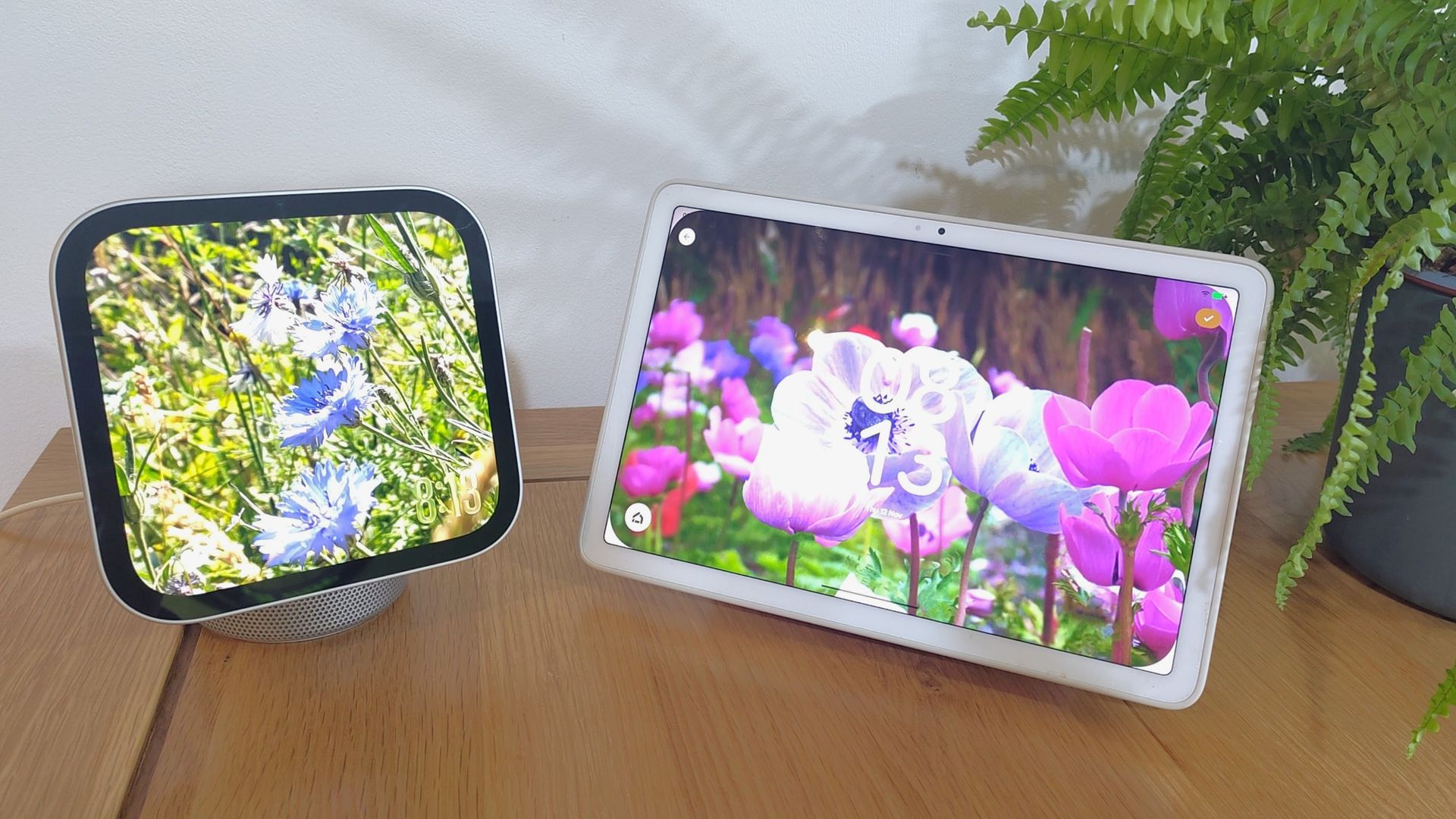
The Apple HomeView is not a tablet; it is a unique device that combines elements of a smart home hub and a phone extension, facilitated by Siri AI. For years, the author has owned a Google Pixel Tablet, which is now discontinued but remains one of their favorite smart-home devices. Typically, the Pixel lives on the kitchen table, charging on a stand that also functions as a speaker, allowing streaming of radio, podcasts, or shows like The Great British Bake Off.
The HomeView may look similar at first glance, particularly its square format, leading many to expect it to function like a tablet. However, after using it for a week instead of the Pixel Tablet, it becomes clear that they serve fundamentally different purposes.
The HomeView offers several advantages over the Pixel Tablet. It has a more attractive design, with a brighter, sharper screen that can be adjusted on a dome-shaped stand and a superior speaker. Crucially, it functions as a superior smart home controller. Equipped with a built-in Thread router and Matter controller, the HomeView acts as a central nerve center for the house.
Its modular interface is visually appealing, featuring polished buttons that are far more refined than the Google Home app. Furthermore, it integrates seamlessly with Apple's co-branded smart lock and cameras, creating a coherent ecosystem.
Privacy is another significant difference. Both devices enable checking emails, but the Pixel Tablet, logged into the user's Google account, allows anyone in the room to casually view emails. Conversely, the HomeView is connected to an iPhone, linking directly to it and using facial recognition to recognize household members, displaying content tailored to each individual.
This personal touch makes it feel less like a shared family computer and more like a private window into the owner's phone. Nonetheless, this tethered approach has a drawback. Unlike the Pixel Tablet, which runs on Android with access to the Google Play Store and a wide range of apps, the HomeView operates on a proprietary HomeView software.
With only 15 pre-installed apps, users cannot freely download games, stream content from iPlayer, or scroll through social media like Instagram. While Apple may add more apps in the future, they are unlikely to offer a full app store, rendering the HomeView as a distinct device with a limited software ecosystem.
Written by urgent.news from TechRadar's reporting — not their text. Machine-written — may contain errors; check the original before relying on it.
This story
This is one outlet's version. Read the fullest account.
- Designing HomeView was a hard but fun journey, says Apple appleinsider.com