COP31: Two-thirds of Africa’s US$2.2bn clean cooking pledges yet to be delivered
Two years after leaders pledged US$2.2 billion to expand clean cooking in Africa, only about US$740 million has been paid out, leaving roughly two-thirds of the money, about US$1.46 billion, still to be delivered. The figures were presented at a Leaders’ Roundtable on Clean Cooking in Africa at COP31 in Antalya, Türkiye, on 12 November. The meeting was co-hosted by the COP31 Presidency of…
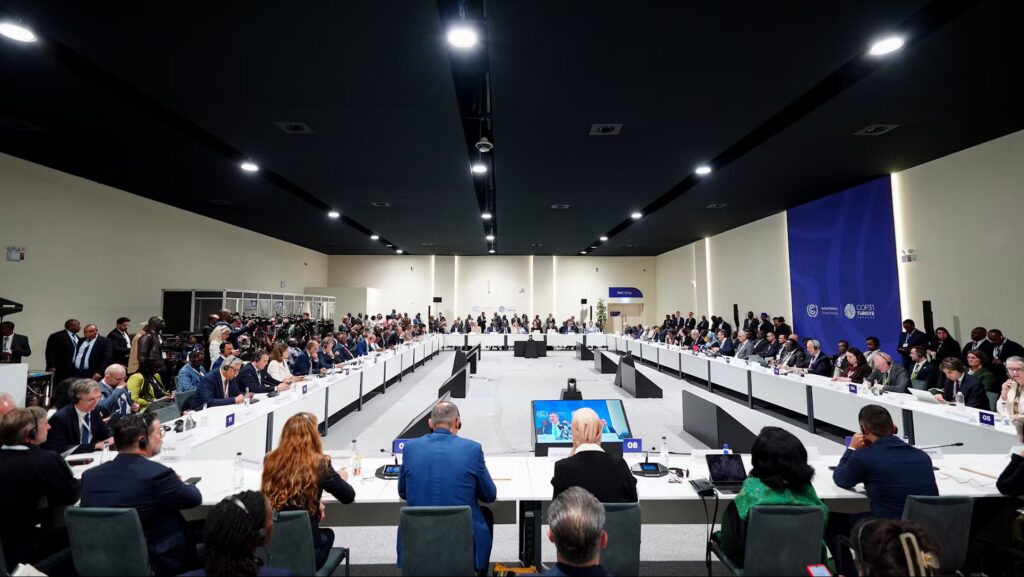
Two years after African leaders pledged $2.2 billion to expand clean cooking initiatives, only around $740 million has been disbursed, leaving roughly $1.46 billion still to be delivered. This information was shared during a Leaders' Roundtable on Clean Cooking in Africa at COP31 held in Antalya, Turkey on November 12th. The roundtable was co-hosted by the Turkish COP31 Presidency, the United Republic of Tanzania, the International Energy Agency (IEA), and the Clean Cooking Alliance.
The $2.2 billion pledge was made at the inaugural Summit on Clean Cooking in Africa, which took place in Paris in 2024 and was co-chaired by Tanzania's President Samia Suluhu Hassan.
IEA Executive Director Fatih Birol revealed that about a third of the pledged funds have been distributed (34 cents of every dollar pledged) and that these funds have been allocated to 28 African countries to support concrete projects. President Samia expressed her encouragement, stating that "by July 2026 approximately $740 million of the commitment made in Paris has been deployed across 22 African countries."
She also mentioned that an additional $900 million in commitments has been mobilized since the Paris summit, bringing the total to around $3.1 billion.
Samia emphasized that the success of these efforts should be measured by both the resources mobilized and the number of families gaining access to affordable, reliable, and sustainable clean cooking solutions. According to her, nearly one billion Africans (about six out of every ten people on the continent) still lack access to clean cooking, which contributes to approximately 850,000 premature deaths every year – more than 2,300 deaths per day.
Birol described this situation as one of the greatest injustices in the world and highlighted that traditional cooking generates 1.2 gigatonnes of greenhouse gases annually – an amount equivalent to the emissions from international aviation and shipping combined.
Ambassador Ali Mohamed, Kenya's special envoy, speaking on behalf of President William Ruto, said that Africa's clean cooking challenge requires at least $2 billion every year. He added that the success of their efforts will be measured not just by commitment but also by the financing deployed. The President of the OPEC Fund for International Development, Abdulhamid Alkhalifa, estimated that Africa needs $4 billion annually to address the clean cooking issue, which he noted is less than what the world invests in energy production in a single day.
Alkhalifa urged Africa to eliminate the smoke-filled kitchen as a chapter of its past rather than its future.
Norway's special envoy, Hans Olav Ibrekk, stressed that clean cooking is climate action and called for moving from commitments to implementation at scale. Lesotho's Deputy Prime Minister, Justice Nthomeng Majara, warned that isolated projects and pilot interventions would not be sufficient to achieve universal access. Uganda President Yoweri Museveni's representative mentioned that Uganda aims to achieve universal access to clean cooking by 2040, with an interim target of 50% access by 2030.
This strategy was supported by Uganda's President Museveni, who issued Executive Order No. 3 banning charcoal.
The next major test in this effort will be the second Summit on Clean Cooking in Africa, scheduled to take place in Nairobi, Kenya, on January 27-28, 2027. Birol, who will co-chair the summit with President Ruto, concluded the meeting by stating, "We are going to fix this problem and solve this biggest injustice of the humanity."
Written by urgent.news from MyJoyOnline Ghana's reporting — not their text. Machine-written — may contain errors; check the original before relying on it.
This story
This is one outlet's version. Read the fullest account.