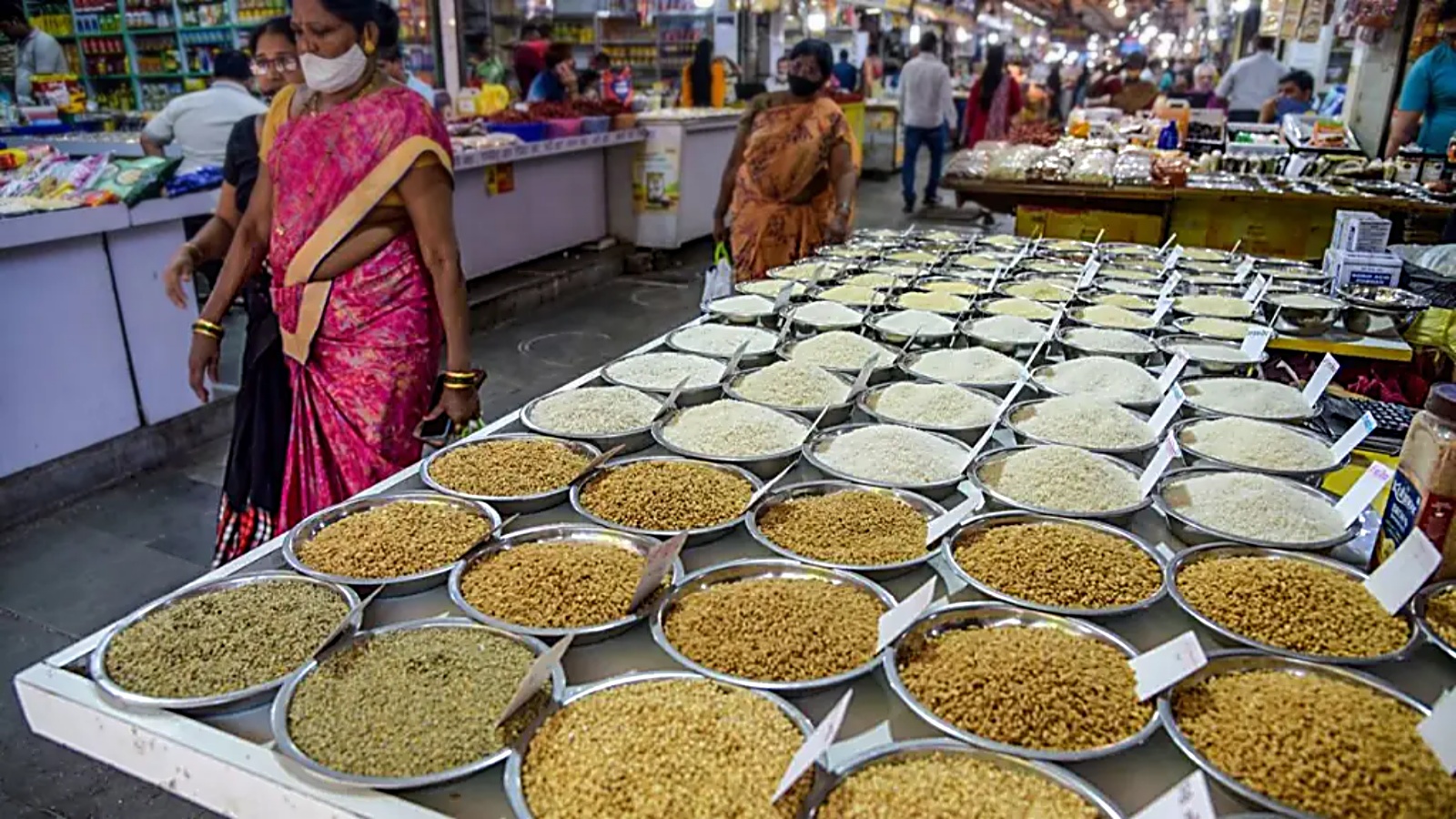
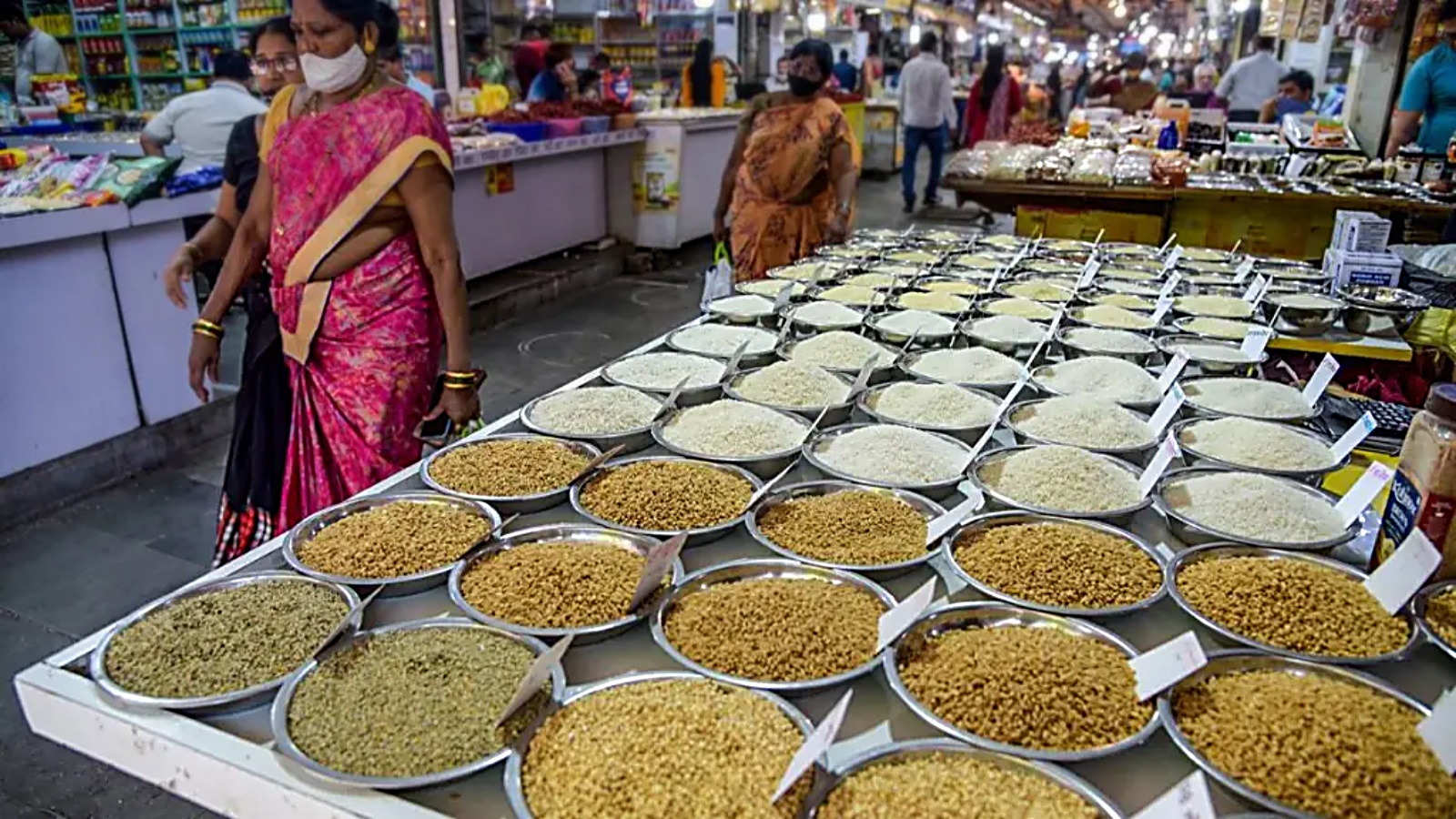
Commodities’ place in the Indian investor’s portfolio
Over the past decade, MCX Gold has moved almost independently of the Nifty50 — the correlation of their returns over long periods has been quite low

For many years, a typical Indian investor's portfolio consisted of equities, fixed income, and gold, either in the form of jewellery or coins. Commodities were viewed as a speculative asset rather than a long-term investment. However, this perception is changing as more investors recognize the value of incorporating commodities into their portfolios.
The reasoning behind this shift is simple: diversification is key to portfolio strength. When all holdings are affected by the same market forces, a portfolio can be volatile. Commodities offer a counterpoint because they are often influenced by distinct factors. Over the past decade, the returns of MCX Gold have shown minimal correlation with the Nifty50, while industrial metals have demonstrated positive performance even during adverse conditions for equities and bonds, such as high inflation, a weak rupee, and geopolitical shocks.
Investors hold commodities not just as a hedge against inflation but as a reflection of inflation itself. Inflation indices are heavily weighted with energy, metals, and food prices. By owning commodities, investors protect their portfolio's real value during broad price increases. For Indian investors, commodities provide a unique advantage of being accessible in their local currency, while still exposed to global market forces.
Commodities can now be traded through exchange-traded futures and options, allowing investors to take a strategic position without dealing with physical metal. This accessibility is crucial in a market where India is the second-largest consumer of gold, importing significant amounts annually.
In "Achieving a Balanced Portfolio: The Commodity Advantage," a guide for retail investors, we explain the fundamentals of commodities and how to navigate the MCX market. While commodities are leveraged instruments and require careful management of risk, disciplined approach, position sizing, stop-losses, and investing money you can afford to lose can mitigate these risks.
Commodities are not a replacement for equities and bonds but a valuable complement. The increasing demand for commodities in India, persistent inflation, global market dynamics, and supply chain vulnerabilities are driving this investment trend. The regulatory bodies, exchanges, and intermediaries must continue to ensure the market remains accessible, well-understood, resilient, and safe for investors.
Written by urgent.news from Hindu BusinessLine's reporting — not their text. Machine-written — may contain errors; check the original before relying on it.