Commentary: Extreme weather risk is scaring big firms away from poor countries
Companies rarely say why they’re avoiding a particular location, but their climate-related concerns occasionally become visible, says this academic.
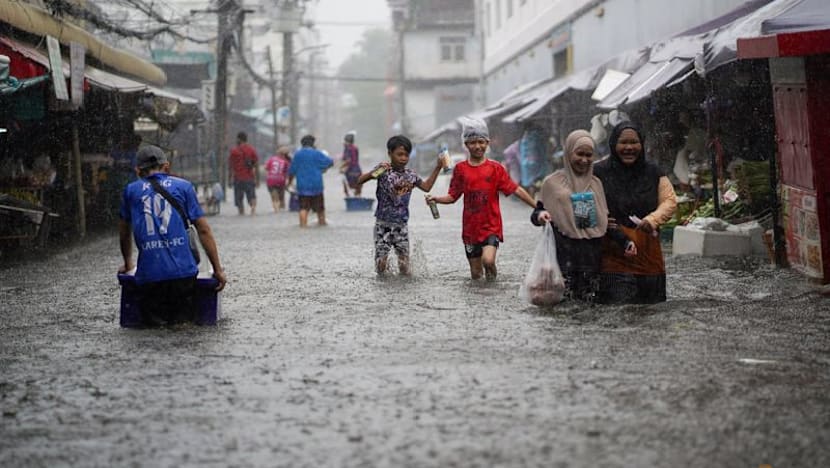
Large companies often keep secret the reasons behind their decision to avoid certain locations, but climate-related worries occasionally surface, according to a professor. When multinational firms decide to build factories, set up mines, or establish regional offices, they must take into account future profitability and factors like flood risks, extreme heat, and water availability.
As climate change intensifies extreme weather events globally, these issues can be particularly severe in less affluent countries that lack resources to prepare for disasters or recover quickly.
In her new book, "Multinational Corporations and Climate Change: Risks, Responsibilities, and Resilience," the author examines how political and environmental risks impact international business. The book explores how disaster risk influences global companies' perception of climate-vulnerable markets and how these views lead some investors to steer clear of these developing nations.
Low- and middle-income countries are not the only ones affected when multinational corporations withdraw. These companies also miss out on business opportunities in emerging markets. Evidence from various studies suggests that multinationals systematically avoid investing in the most climate-vulnerable countries. This includes the author's analysis of 159 countries, which consistently identifies the same trend: countries with greater climate vulnerability receive less foreign investment.
The economic impact of this avoidance is significant. The author identifies a 12% reduction in foreign direct investment for each 1-point increase in climate vulnerability on a 100-point scale, assuming other relevant factors remain constant. Climate vulnerability measures a country's exposure to climate hazards and its capacity to adapt.
Although companies rarely disclose their reasons for avoiding specific locations, their climate-related concerns become apparent in some cases, like Google's decision to abandon plans for a US$200 million data center in Chile due to environmental concerns and a proposed US$1 billion data center in Kenya being delayed and eventually suspended over water stress issues.
Firms have legitimate reasons to be cautious about climate risks. An analysis of 71 large publicly traded companies found that those reporting major flood losses experienced an average 5% decline in shareholder value over the following year, even after accounting for broader market movements. In Vietnam, typhoons and floods caused an estimated US$475 million in damage to energy and transportation infrastructure in 2022, while severe flooding in Thailand in 2011 forced companies like Toyota, Nissan, and Honda to temporarily suspend production at their factories.
Despite the risks, climate-vulnerable countries still offer attractive opportunities for businesses. Many of these nations possess growing consumer markets, energy resources, or critical minerals that multinational corporations need. Companies that dismiss them as too risky may miss out on promising prospects. For example, the Democratic Republic of Congo supplies the majority of the world's cobalt, while Indonesia has emerged as the leading producer of nickel.
These countries face high climate risks, which likely deter some companies. However, firms with a higher tolerance for risk have established significant positions in these countries' mineral industries, potentially reducing their exposure to climate risks.
Written by urgent.news from Channel News Asia's reporting — not their text. Machine-written — may contain errors; check the original before relying on it.