Can I still plant grass seed in November? I asked the lawn experts if it's too late
Is it still ok to plant grass seed in November? I asked the experts what’s the best time and for some top tips you need to know.
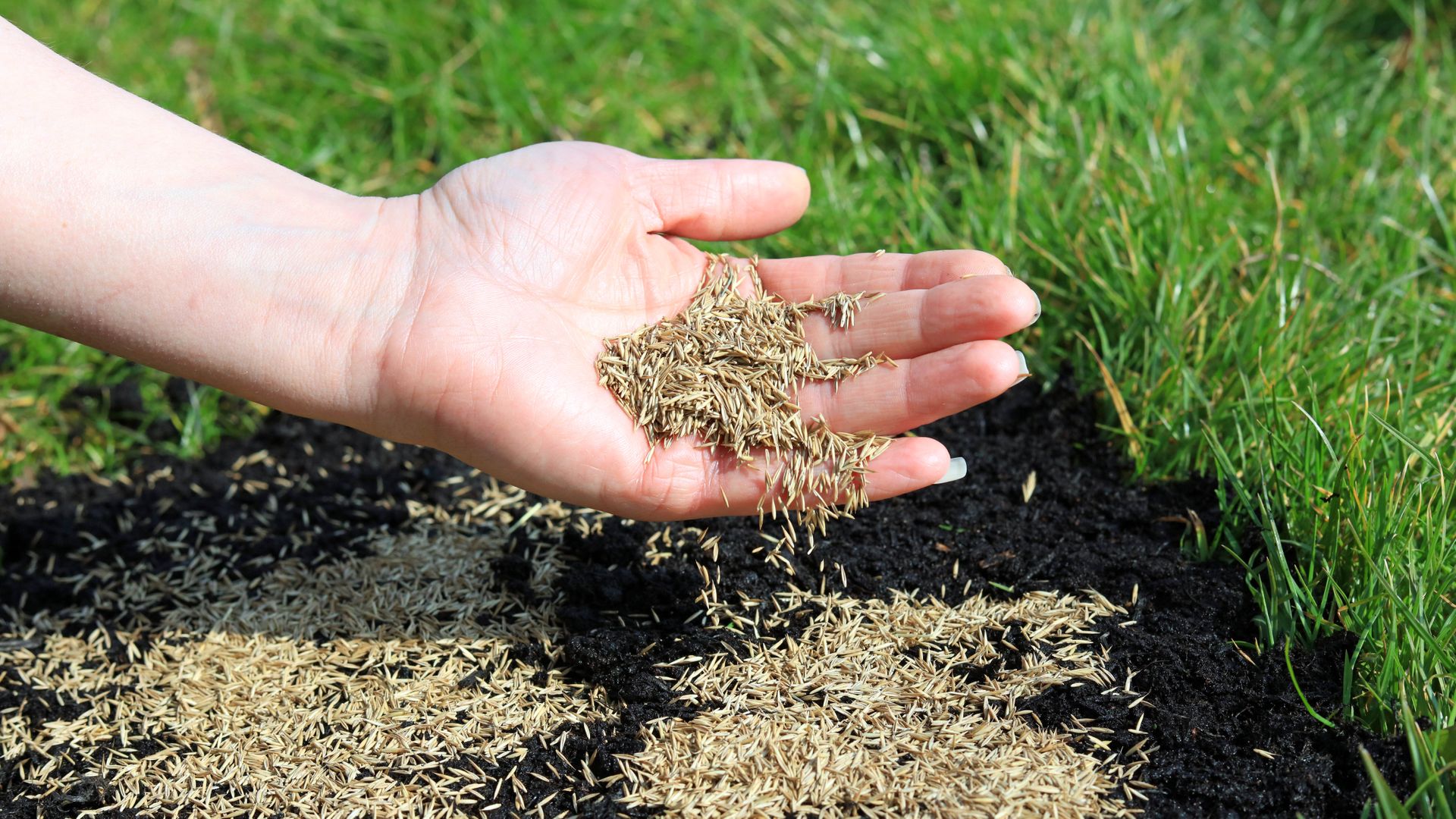
Fall is in full swing, and many yards are looking tired with sparse, empty spots. A reader asked if it's too late to plant grass seed in November, so experts were consulted for advice on achieving a lush, resilient lawn even in colder weather. Cool-season grasses, such as Kentucky bluegrass, perennial ryegrass, tall fescue, are typically overseeded when temperatures drop below 50 degrees Fahrenheit.
However, planting in November is a riskier time as it depends on regional climate, soil temperatures, and grass seed type. For warm-season varieties, like Bermuda grass, zoysia grass, centipedegrass, and Bahiagrass, planting during colder snaps reduces their chances of growing. These grass types begin going dormant as the weather cools down.
According to Matthew Koch, Ph.D., research and development at ScottsMiracle-Gro, grass seed should be planted at least 6 weeks before the area's first hard frost to allow for germination and root growth before winter dormancy. In regions experiencing a milder fall, known as the Transition Zone, one final feeding before winter may be possible, but experts suggest waiting until springtime if the soil is too cold.
To give grass seedlings an optimal head start, experts recommend using a fast-germinating seed mix, such as one containing perennial ryegrass. Preparation is essential, so eliminate weeds, clear leaves, and level the ground with a rake before seeding. Scatter the seed evenly and lightly rake it into the soil. Keep the area slightly moist, but avoid overwatering, especially with frequent November rainfall.
Written by urgent.news from Tom's Guide's reporting — not their text. Machine-written — may contain errors; check the original before relying on it.