Bureau veritas, allarme infrastrutture: «Più fragili col cambiamento climatico»
L’ente di certificazione Bureau veritas lancia l’allarme sulla salute delle infrastrutture (quali viadotti, ferrovie e gallerie) in Italia: uno studio di Nexta, società d’ingegneria del gruppo, sostiene che non è...
Bureau Veritas, the certification body, is sounding the alarm on the state of Italy's infrastructure, including viaducts, railways, and tunnels. A study by Nexta, an engineering firm associated with the group, reveals that aging infrastructure is not the only danger; climate change is playing an increasingly significant role. Carla Formenti, Nexta's technical director for business and industry, notes that the environment is rapidly changing due to climate change and the increasing frequency or intensity of extreme weather events.
This poses a risk, especially for older structures that were designed based on climate and hydrological data that may no longer accurately represent current conditions. In particularly vulnerable areas such as the Alps and the Apennines, this issue is even more pronounced. It's not just about the structural integrity of the infrastructure, but also its ability to continue functioning safely.
In Italy, the infrastructure network consists of approximately 600,000 kilometers of roads, over 16,000 kilometers of railways, around 240,000 bridges and viaducts, and 3,500 tunnels. About 60-70% of these structures were built more than 30 years ago, using climate, hydrological, and territorial conditions that differ from today's.
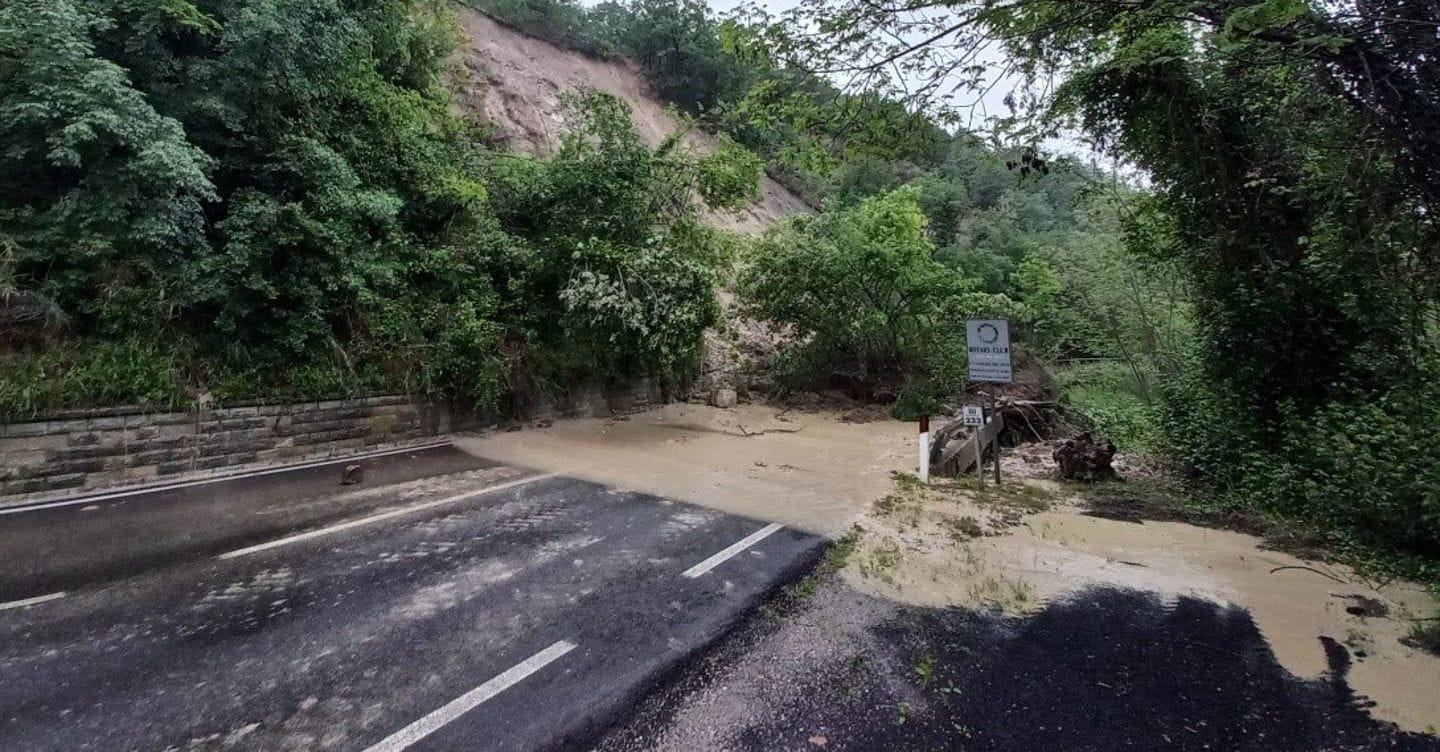
For example, Ispra reported in 2023 that 18.4% of the national territory was at risk of landslides and 4.1% at risk of flooding in the most dangerous scenario. This new climate variability also impacts the design conditions under which the structures were built. Each infrastructure, the report states, is designed based on specific environmental, hydrological, geological, and geotechnical conditions, as well as design load scenarios, traffic levels, watercourse discharges, terrain characteristics, and drainage conditions.
Over time, these parameters may change. Increasing temperatures, alternating periods of drought and heavy rainfall, altered flood regimes, and unstable slopes drastically alter the reference framework within which the infrastructure operates - primarily viaducts and tunnels. To address this situation, Formenti concludes, a coordinated approach is essential, integrating structural engineering, hydraulics, geotechnics, and risk management.
This integrated approach is essential not only to understand the current state of a structure but also to anticipate its evolving environmental context and identify appropriate prevention and adaptation solutions.
Written by urgent.news from Il Sole 24 Ore's reporting — not their text. Machine-written — may contain errors; check the original before relying on it.