Battle-tested in Op Sindoor, now getting AI upgrade: India's air defence system to get smarter
Bharat Electronics Limited has developed an AI-native upgrade for the Integrated Air Command and Control System. This upgrade aims to enhance the air-defence capabilities of the Indian Air Force using advanced technology. The enhanced system will improve the detection and response to threats, including drones and missiles. It will integrate various assets from the Indian military, ensuring a…
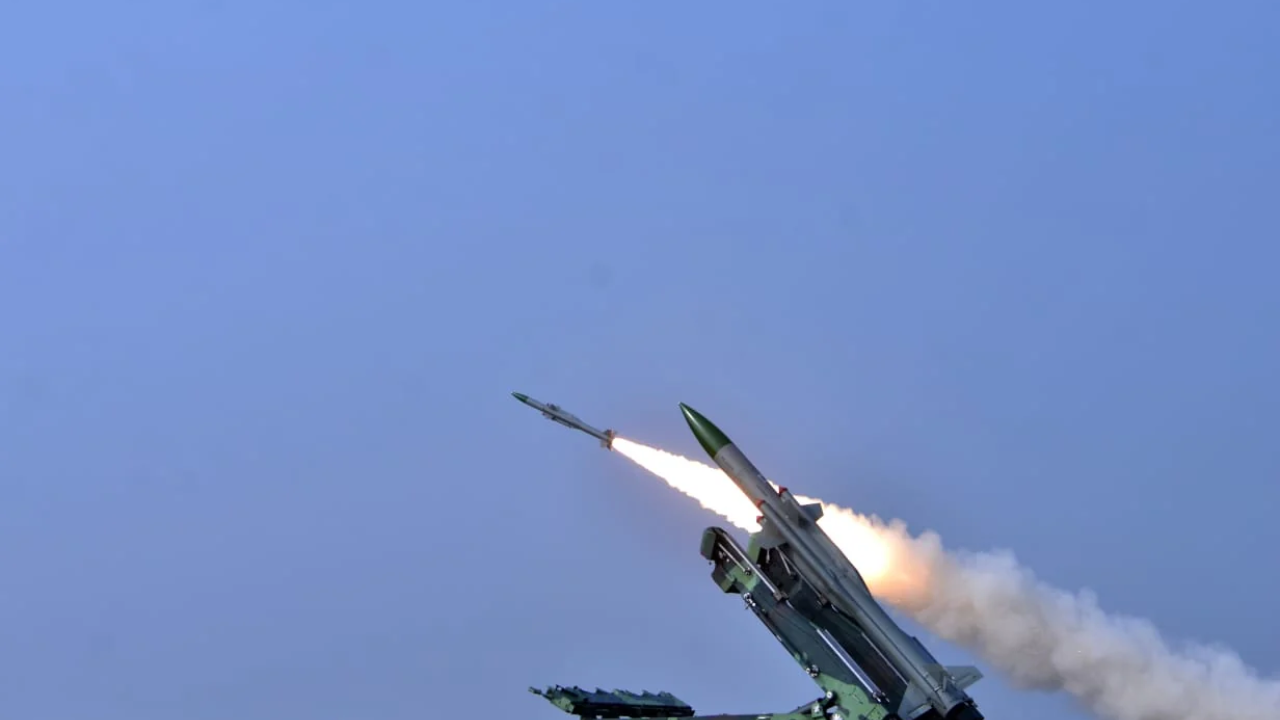
Recent conflicts have underscored the critical need for effective air defenses. Operation Sindoor, which targeted terrorist sites in Pakistan from May 7 to 10, 2025, showcased the significance of robust air defence systems. The Integrated Air Command and Control System (IACCS), developed by Bharat Electronics Limited (BEL), is the Indian Air Force's automated command and control network for air defence.
IACCS integrates data from ground radars, airborne warning aircraft, drones, air traffic control, civil radars, air-defence weapons, and command nodes onto the encrypted Air Force Network (AFNET). This integration creates a unified Recognised Air Situation Picture, enabling real-time situational awareness for commanders at all levels.
The new version of IACCS incorporates an AI-native decision-support architecture. This architecture evaluates and prioritizes threats, such as drones, cruise missiles, and saturation raids, and provides recommendations for the optimal countermeasure. Options include long-range interceptors like the S-400, medium-range systems like Akash-NG, or fighter intercepts.
The system merges data from various sources, including indigenous Arudhra and Ashwini radars, Netra airborne warning aircraft, satellite feeds, and fighter sensors. It also features advanced cybersecurity measures and standoff launch detection capabilities. Despite being an automated system, a human commander remains involved in the decision-making process.
IACCS proved its worth during Operation Sindoor. The system effectively detected and tracked drones and missiles, including low-signature targets, and coordinated responses with the S-400, Akash, and counter-drone systems. This ensured that no layer duplicated efforts. Between May 8 and 10, Pakistani drones and missiles were intercepted with the help of IACCS.
The upgrade to IACCS builds upon Phase-III modernization efforts, which were intensified following Operation Sindoor. With the anticipated emergence of drone swarms and saturation attacks in future conflicts, the IACCS's capability to swiftly identify, assess, and respond to threats will be as vital as the weaponry itself.
Written by urgent.news from Times of India's reporting — not their text. Machine-written — may contain errors; check the original before relying on it.