Australian waste may be part of the problem for Indonesia's 'plastic farmers'
For decades, locals in East Java in Indonesia have been burning plastic waste but may not have been aware of the health consequences.
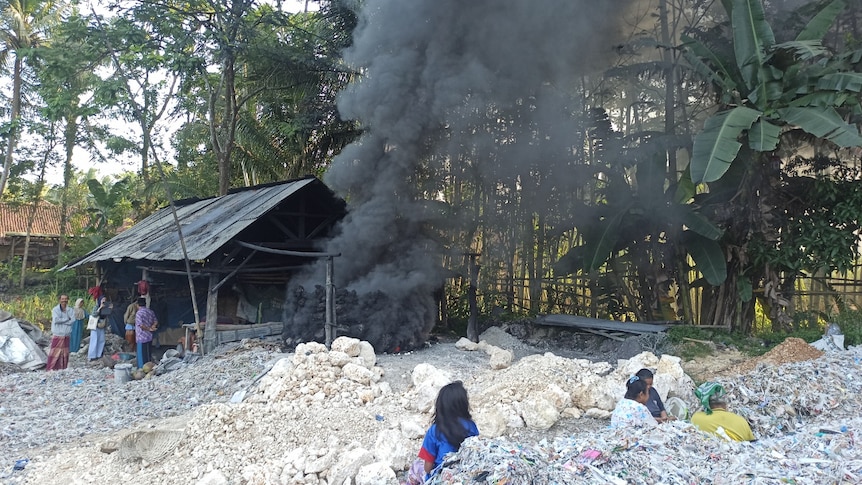
Ahmad Yani, a resident of East Java, Indonesia, spent hours each day sorting through heaps of garbage to find materials worth selling. This practice had been a vital source of income for his family and fellow villagers for decades. Factories in Indonesia recycled imported paper and cardboard, and the villages collected the waste residue to separate plastics from other materials.
Plastic was then sold to industries for furnace fuel, while the paper was sold back to recycling factories. However, any residual plastics were used in local limestone kilns to produce building materials.
Despite the income generated from sorting waste, locals remained unaware of the health risks associated with burning plastic waste. Researchers from the Climate and Health Centre at Brawijaya University found that more than 20% of over 4,000 participants across six villages were at high risk of cardiovascular disease and chronic obstructive pulmonary disease. The emissions from burning plastics include hazardous substances that can cause respiratory diseases, skin irritation, coughing, and other negative health outcomes.
The waste being burned originated from countries including Australia, the US, and Europe. Indonesia's Ministry of Environment stated that a lack of waste management services, irregular collection, and limited recycling facilities contributed to open waste burning. The ministry is working on improving waste governance collaboratively with regional governments, aiming for comprehensive waste management by 2029.
Australian environmentalists have previously urged Australia to tighten regulations and enforcement on waste exports, claiming that Australia effectively smuggles large amounts of plastic and waste paper supposedly for recycling. Despite the decrease in plastic waste burning in East Java, the problem persists, and many Australian material recovery facilities have invested in upgrading their sorting facilities to comply with Indonesian contamination limits.
Written by urgent.news from ABC News AU's reporting — not their text. Machine-written — may contain errors; check the original before relying on it.